

Top 30 Crop Monitoring Tools
Hello Readers,
The agricultural landscape is continuously evolving, and by 2026, the integration of cutting-edge technology will be more vital than ever for sustainable and productive farming. Modern challenges like climate change, resource scarcity, and increasing global food demand necessitate intelligent solutions. Thankfully, a diverse range of crop monitoring tools are emerging as indispensable assets, empowering farmers to make data-driven decisions that significantly boost yields, optimize resource use, and enhance overall farm efficiency. These innovative solutions are redefining smart agriculture, transforming traditional practices into highly precise and responsive operations.
1. Satellite Imagery Platforms
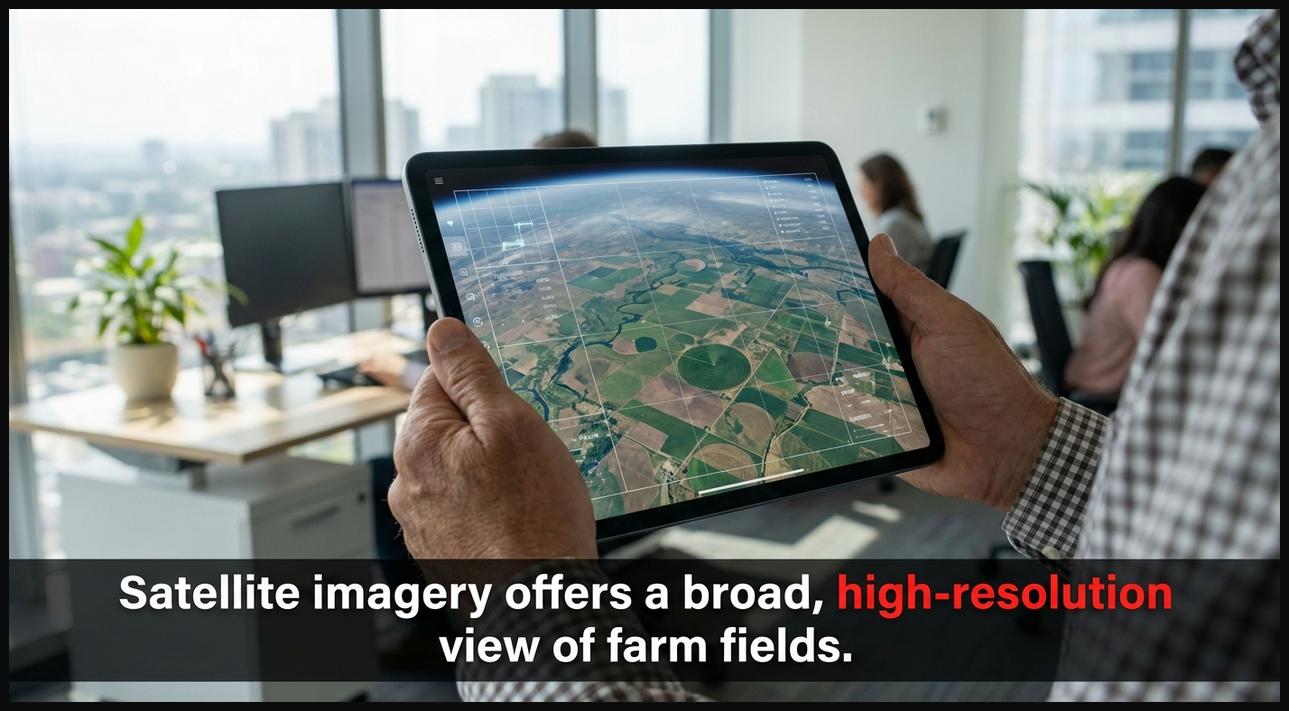
Satellite imagery has become a cornerstone of modern farming, offering a bird’s-eye view of vast agricultural areas. By 2026, these platforms will provide even higher resolution data, allowing farmers to track crop growth stages, identify areas of stress, and monitor field variability from their offices. This macro-level perspective is crucial for early detection of issues that might otherwise go unnoticed on the ground.
These systems analyze various spectral bands to produce indices like NDVI (Normalized Difference Vegetation Index), which indicates plant health and vigor. Farmers can overlay historical data to understand trends and predict future performance, making proactive management decisions regarding irrigation, fertilization, and pest control across large land parcels.
| Feature | Benefit | 2026 Relevance |
|---|---|---|
| Large-Scale Overview | Identify broad issues quickly | Enhanced resolution & frequency |
| Vegetation Indices (NDVI) | Assess crop health & vigor | Real-time insights for optimization |
| Historical Data Analysis | Spot trends & predict performance | Improved long-term farm planning |
2. Drone-Based NDVI Sensors
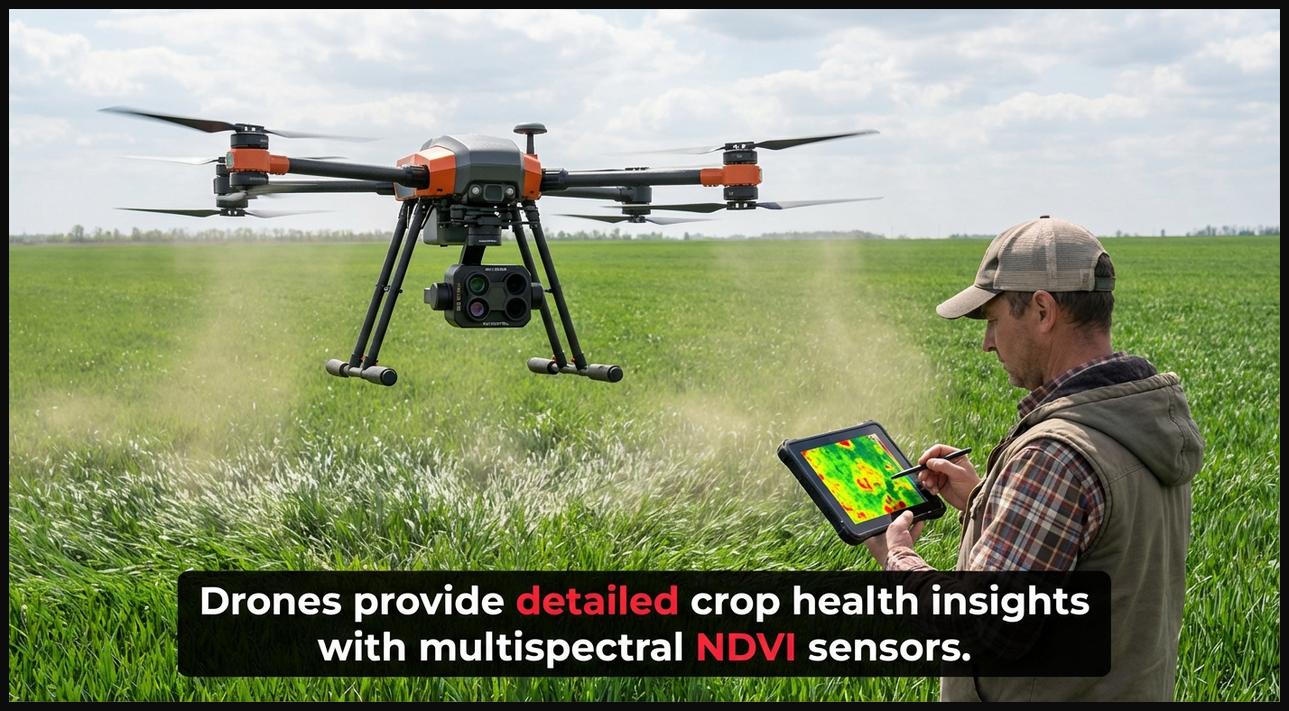
For more localized and incredibly detailed insights, drones equipped with NDVI sensors are transforming how farmers assess crop health. These unmanned aerial vehicles capture high-resolution images and multispectral data, providing a granular view of plant vigor, nutrient deficiencies, and disease outbreaks at a plant-by-plant level. Their ability to fly low and capture data on demand makes them invaluable for targeted scouting.
By 2026, drone technology will feature enhanced autonomy and AI integration, allowing for automated flight paths and instant, on-site data processing. This enables precise intervention strategies, such as spot spraying or localized fertilization, reducing waste and increasing efficiency in specific problem areas within a field.
| Feature | Benefit | 2026 Relevance |
|---|---|---|
| High-Resolution Imagery | Detect localized issues accurately | Precision scouting & intervention |
| Multispectral Data | Detailed plant health assessment | Targeted treatment applications |
| On-Demand Scanning | Respond quickly to emerging problems | Autonomous flight & data processing |
3. Ground-Based Soil Moisture Sensors
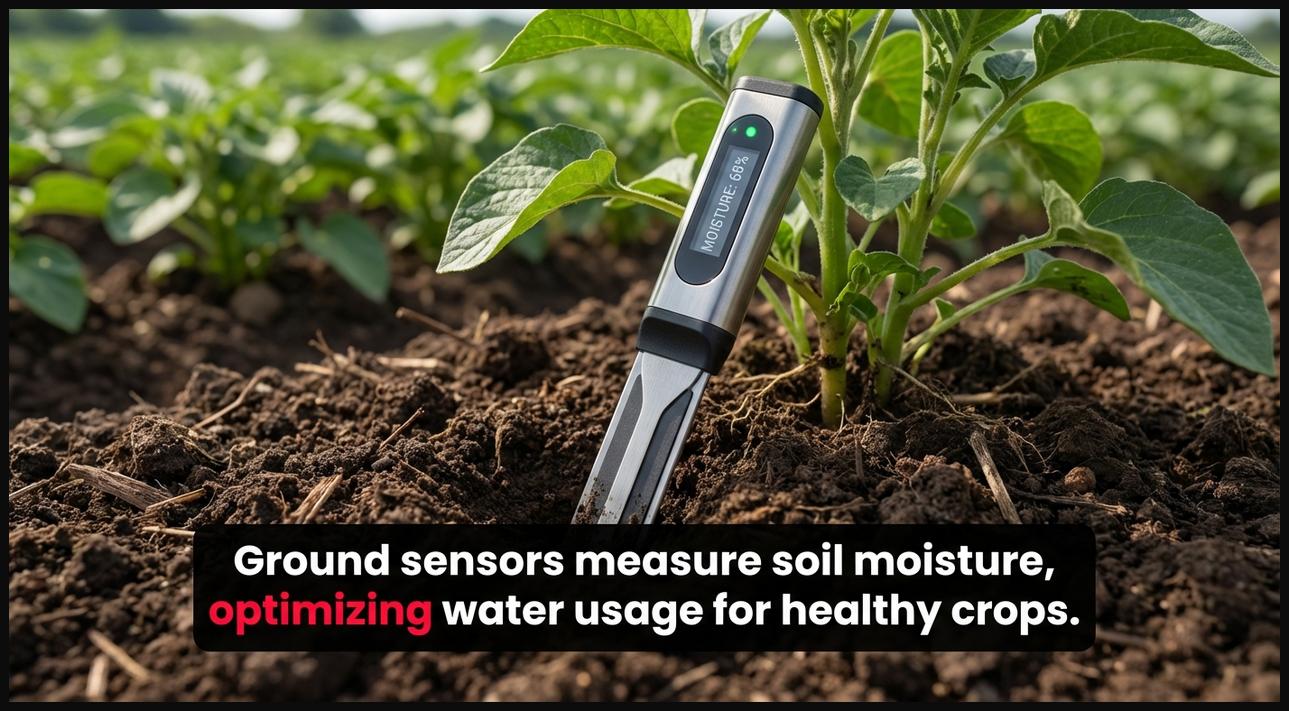
Efficient water management is critical for crop success, and ground-based soil moisture sensors provide the precision needed. These devices are strategically placed throughout fields to measure the volumetric water content in the soil at various depths. They offer real-time data, indicating exactly when and how much to irrigate, preventing both under-watering and over-watering.
By 2026, these sensors will be more robust, cost-effective, and seamlessly integrated into automated irrigation systems. Farmers can optimize water usage, save on energy costs, and ensure their crops receive the ideal amount of moisture, contributing significantly to water conservation and yield stability.
| Feature | Benefit | 2026 Relevance |
|---|---|---|
| Real-time Soil Moisture | Precise irrigation scheduling | Enhanced water conservation |
| Multi-depth Readings | Monitor root zone hydration | Automated irrigation integration |
| Battery-Powered & Wireless | Easy deployment & minimal maintenance | Increased durability & affordability |
4. Field-Specific Weather Stations
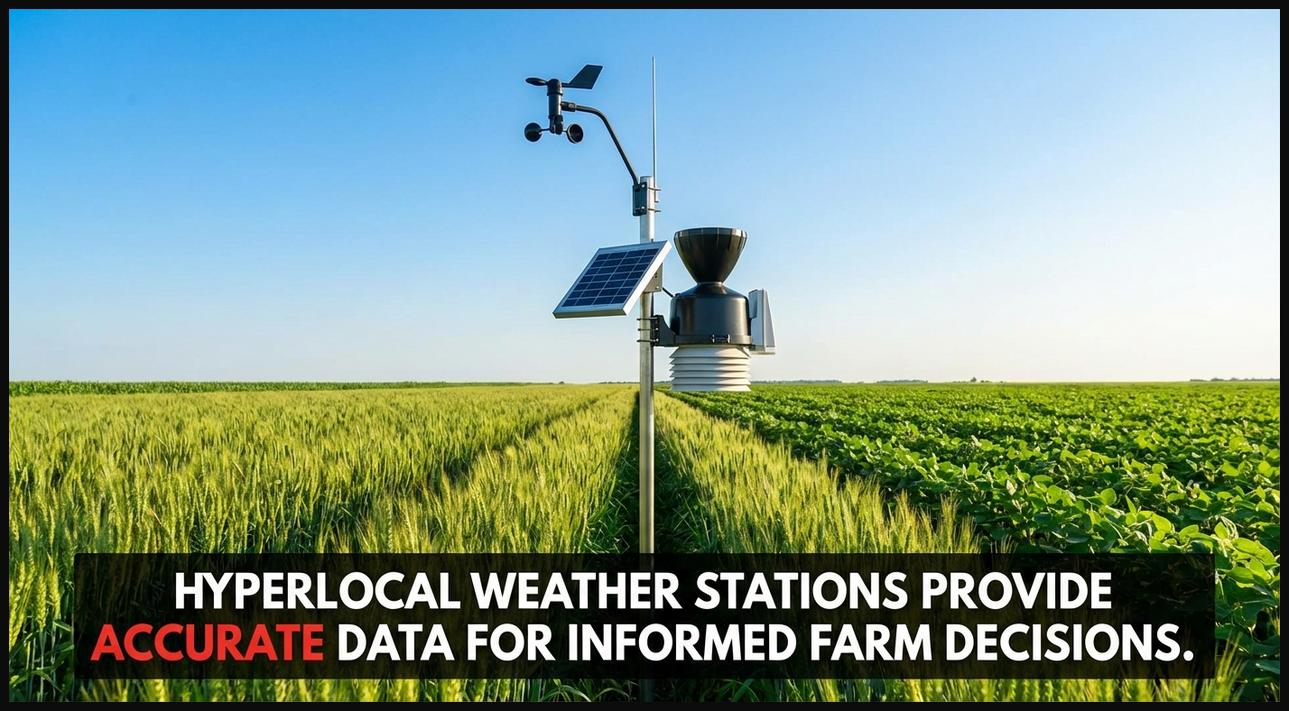
Understanding hyperlocal weather conditions is paramount for effective farm management. Field-specific weather stations provide accurate, real-time data on temperature, humidity, rainfall, wind speed, and solar radiation directly from the farm. This granular information allows farmers to make informed decisions about planting, spraying, and harvesting, rather than relying on broader regional forecasts.
In 2026, these stations will offer even more sophisticated predictive modeling, integrating with crop growth models to forecast pest outbreaks or disease risks based on specific environmental factors. This invaluable data helps farmers mitigate risks and optimize operations with greater confidence and foresight.
| Feature | Benefit | 2026 Relevance |
|---|---|---|
| Hyperlocal Data | Accurate farm-specific forecasts | Improved risk mitigation strategies |
| Multiple Sensors | Comprehensive environmental monitoring | Enhanced predictive modeling |
| Real-time Updates | Timely operational adjustments | Integration with crop growth models |
5. Smart Pest & Disease Traps
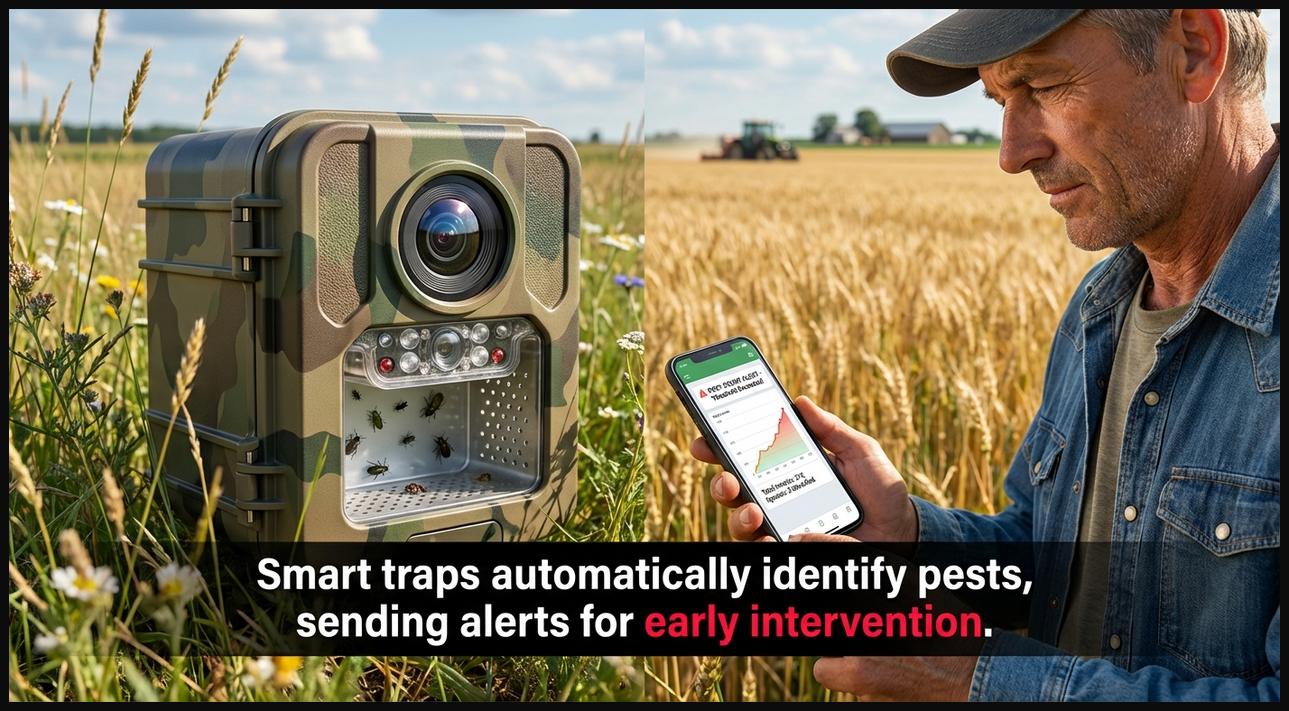
Early detection is key to managing pests and diseases effectively without resorting to widespread chemical applications. Smart pest and disease traps integrate traditional trapping methods with digital imaging and communication technologies. These traps automatically count and identify captured insects or spores, sending alerts to farmers in real time.
By 2026, these systems will feature advanced AI for more accurate identification and will be able to differentiate between beneficial and harmful insects. This precision allows farmers to deploy targeted interventions, reducing pesticide use and protecting beneficial insects, which is crucial for sustainable agriculture practices.
| Feature | Benefit | 2026 Relevance |
|---|---|---|
| Automated Counting | Efficient pest population tracking | AI-driven pest identification |
| Real-time Alerts | Early warning for outbreaks | Reduced reliance on broad pesticides |
| Remote Monitoring | Save time on field scouting | Differentiation of beneficial insects |
6. AI-Powered Image Recognition Systems
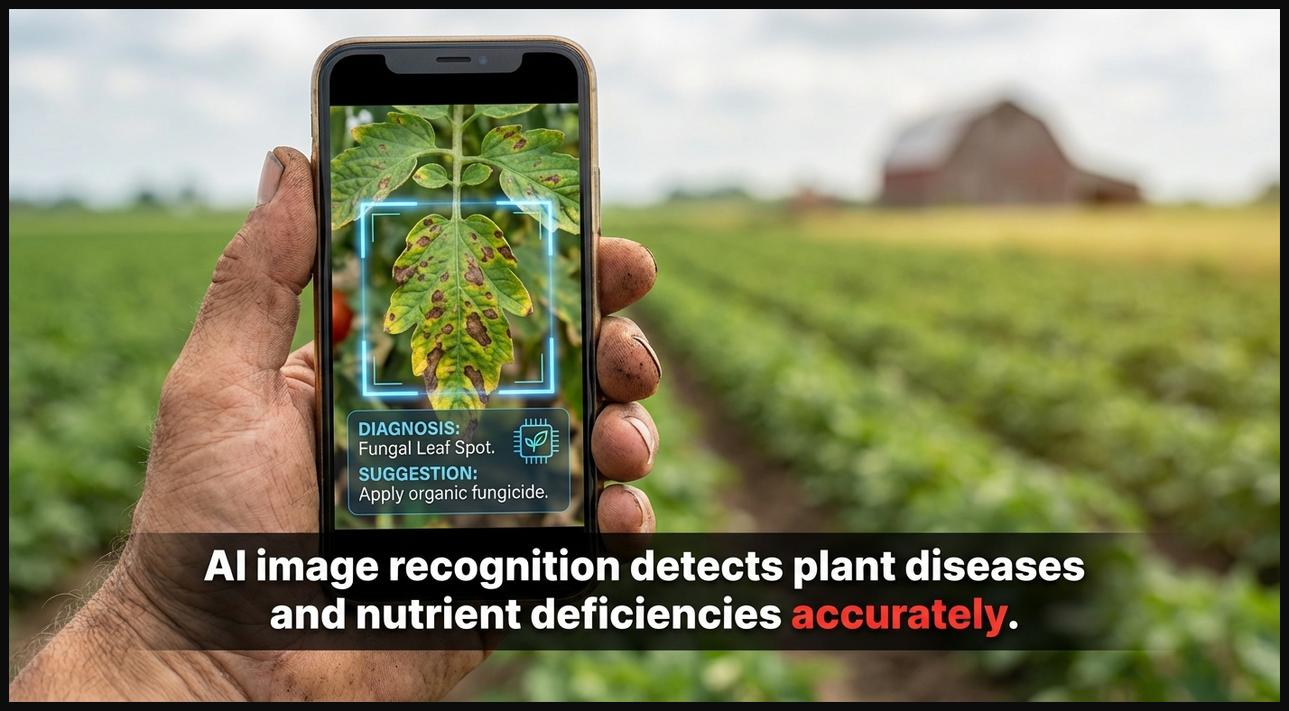
The power of artificial intelligence is revolutionizing the identification of plant issues. AI-powered image recognition systems analyze visual data, often captured by drones, robots, or even smartphones, to detect diseases, nutrient deficiencies, or weed infestations with remarkable accuracy. These systems are trained on vast datasets of plant images, allowing them to spot subtle signs often missed by the human eye.
In 2026, these systems will become even more sophisticated, offering instant diagnoses and recommending specific treatments or actions directly to the farmer. This capability transforms scouting into an automated, highly efficient process, enabling rapid response to threats and significantly improving crop health management.
| Feature | Benefit | 2026 Relevance |
|---|---|---|
| Automated Diagnosis | Fast identification of crop issues | Instant treatment recommendations |
| High Accuracy | Detect subtle symptoms effectively | Enhanced precision in problem-solving |
| Scalable Analysis | Monitor large areas efficiently | Integration with autonomous platforms |
7. Hyperspectral Imaging Systems
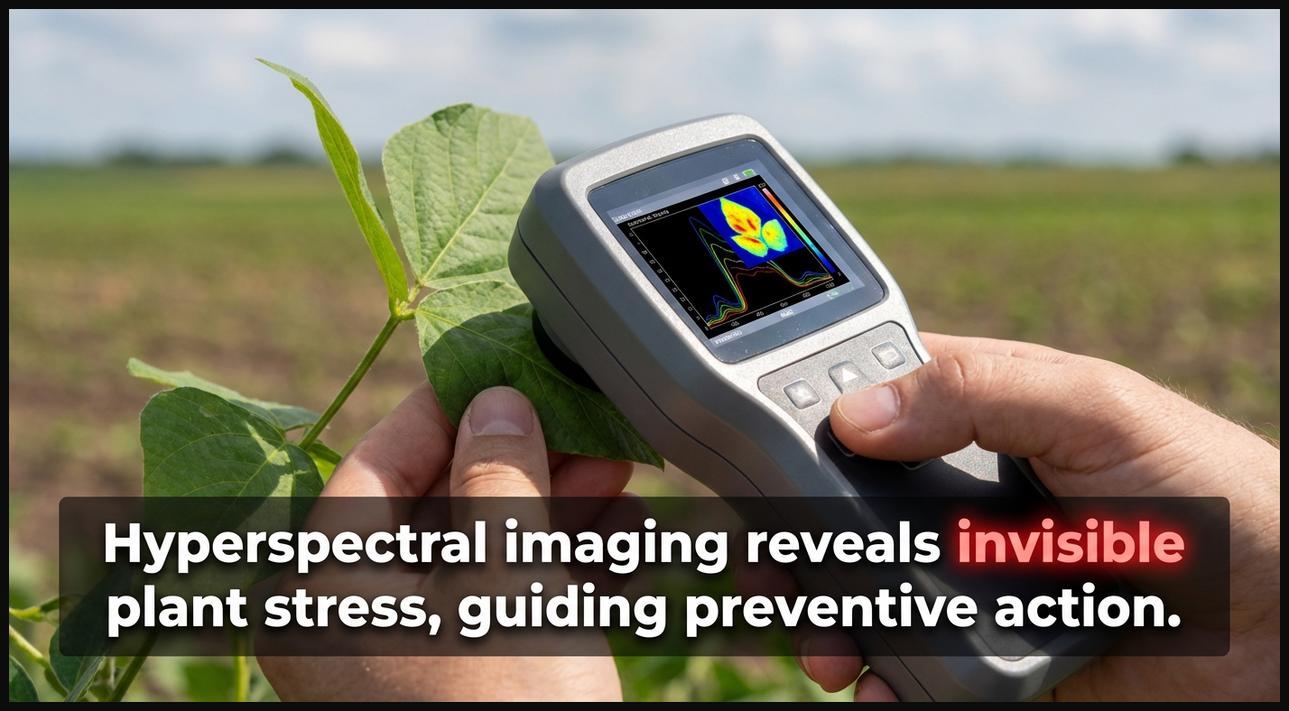
Hyperspectral imaging offers an incredibly detailed view of plant health by capturing data across hundreds of narrow spectral bands, far beyond what the human eye can see. This technology can detect very subtle changes in plant physiology, indicating stress from drought, disease, or nutrient deficiencies long before visible symptoms appear. It provides a rich “fingerprint” of each plant’s condition.
By 2026, hyperspectral sensors will be more compact and integrated into various platforms, including drones and field robots, providing farmers with unprecedented insights into their crops’ biochemical makeup. This advanced data allows for highly specific and preventive interventions, maximizing yields and resource efficiency by addressing issues at their earliest stages.
| Feature | Benefit | 2026 Relevance |
|---|---|---|
| Detailed Plant Data | Detect pre-symptomatic stress | Enhanced preventive management |
| High Spectral Resolution | Analyze plant biochemical composition | Integration into diverse platforms |
| Early Anomaly Detection | Proactive issue resolution | Optimized resource allocation |
8. Thermal Cameras for Stress Detection
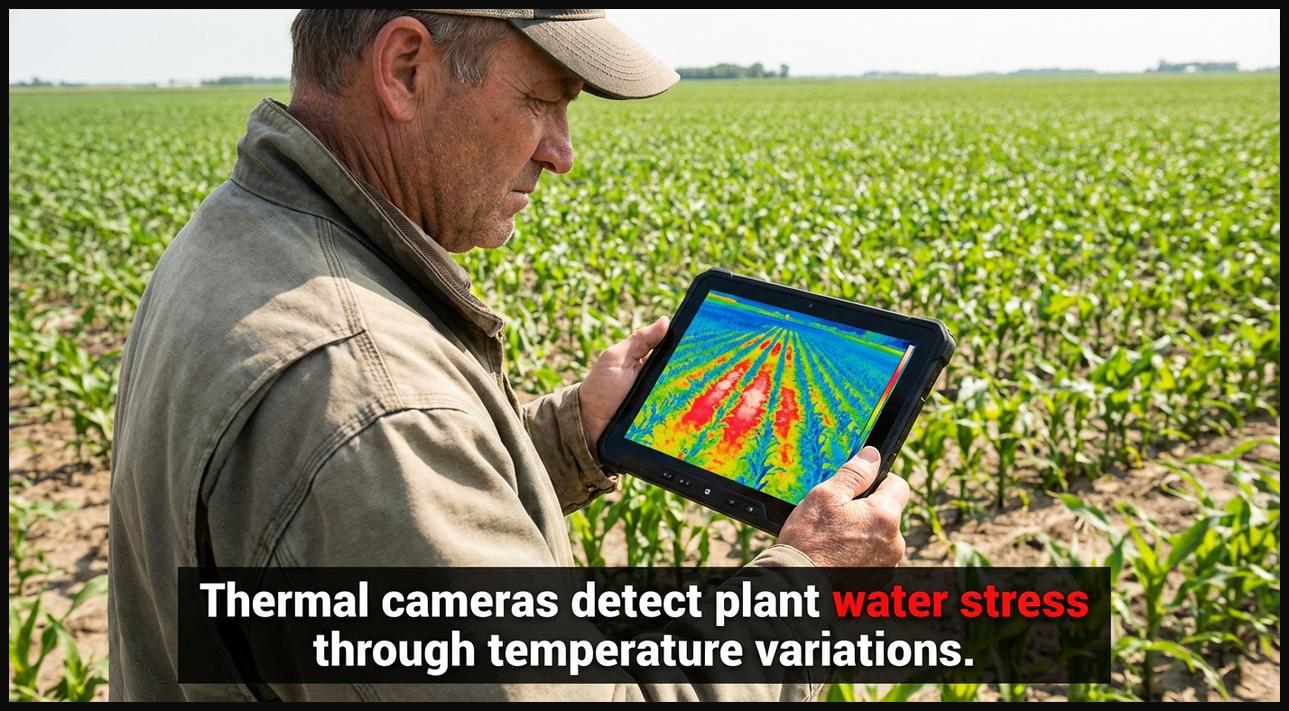
Thermal cameras are powerful crop monitoring tools used to detect temperature variations across fields, which often indicate plant stress. When plants are under water stress, their stomata close, reducing evaporative cooling and causing leaf temperatures to rise. Thermal imaging can pinpoint these warmer areas, alerting farmers to irrigation needs or potential disease hot spots.
In 2026, thermal cameras will be more affordable and widely integrated into drones and ground robots, offering real-time stress maps. This allows for highly efficient and targeted irrigation, ensuring water is applied only where and when it’s truly needed, saving resources and preventing unnecessary crop damage from prolonged stress.
| Feature | Benefit | 2026 Relevance |
|---|---|---|
| Temperature Mapping | Identify water-stressed areas | Real-time thermal stress maps |
| Non-invasive Monitoring | Assess plant health without contact | Cost-effective drone integration |
| Early Stress Indicator | Proactive irrigation decisions | Optimized water resource management |
9. pH & EC Soil Sensors
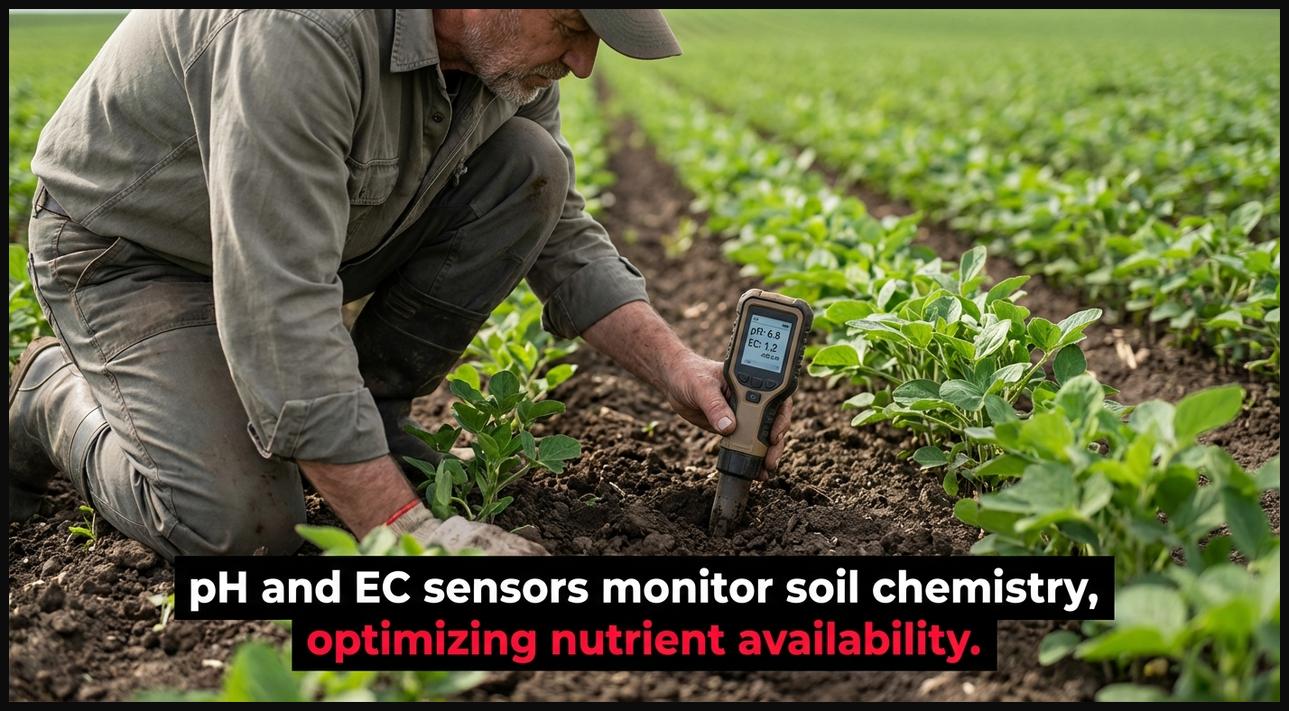
The chemical properties of soil are fundamental to crop health. pH and Electrical Conductivity (EC) sensors measure crucial soil parameters that directly impact nutrient availability and overall soil fertility. pH levels dictate which nutrients are accessible to plants, while EC indicates the concentration of salts in the soil, which can affect water uptake.
By 2026, these sensors will be more robust, accurate, and connected, offering continuous, localized data directly to farm management systems. This real-time information empowers farmers to make precise adjustments to fertilizers and soil amendments, ensuring optimal growing conditions and maximizing nutrient efficiency for every crop cycle.
| Feature | Benefit | 2026 Relevance |
|---|---|---|
| Real-time pH & EC | Optimize nutrient availability | Continuous soil health insights |
| Localized Data | Address field variability precisely | Integration with variable rate applicators |
| Early Problem Detection | Prevent nutrient deficiencies/toxicities | Enhanced soil fertility management |
10. IoT Gateways for Agriculture
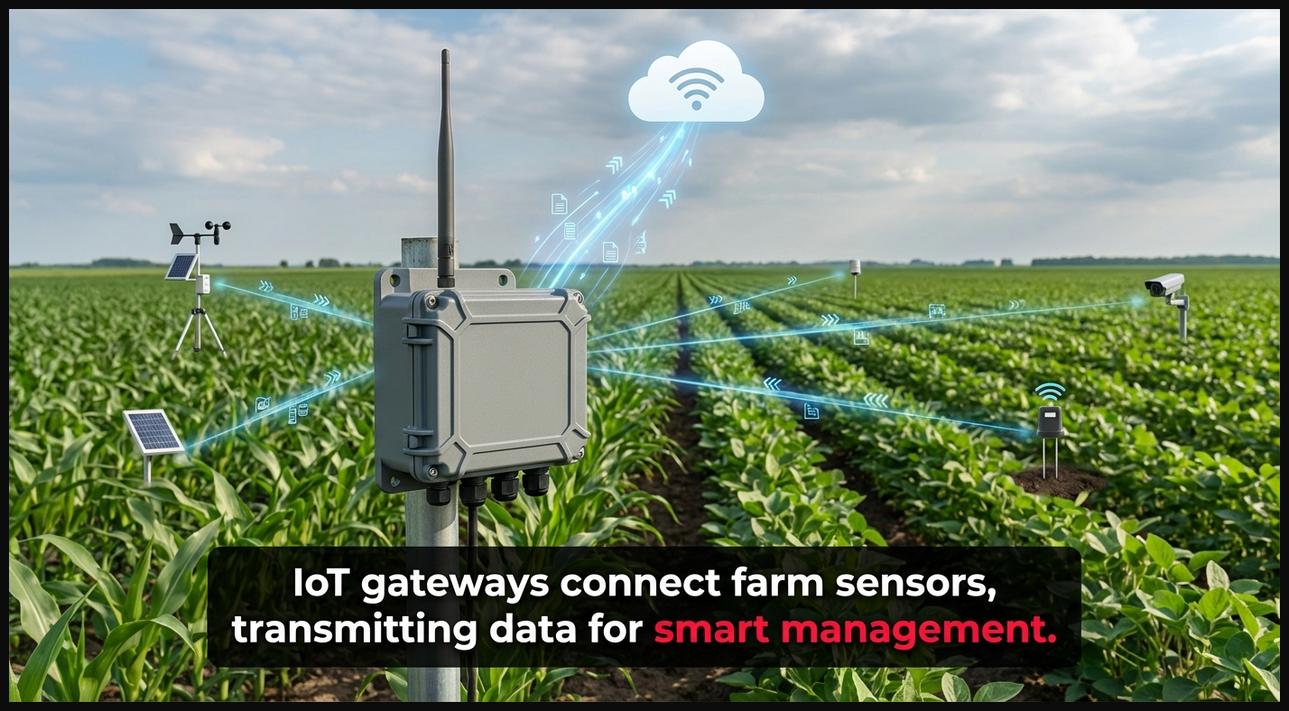
The Internet of Things (IoT) is the backbone of modern smart farming, and IoT gateways are the crucial link connecting countless sensors and devices across the farm. These gateways collect data from various field sensors—like soil moisture, weather, and pest traps—and securely transmit it to cloud platforms for analysis. They ensure seamless communication in remote agricultural environments.
In 2026, IoT gateways will be even more advanced, offering greater range, robustness, and enhanced security features, facilitating the expansion of interconnected agricultural ecosystems. They enable a comprehensive view of farm operations, allowing for centralized monitoring and control of diverse agricultural technologies, boosting overall operational efficiency.
| Feature | Benefit | 2026 Relevance |
|---|---|---|
| Data Aggregation | Centralize sensor information | Enhanced connectivity & range |
| Secure Transmission | Protect farm data integrity | Robust security features |
| Remote Connectivity | Enable farm-wide monitoring | Facilitate vast IoT deployments |
11. Telemetry Systems
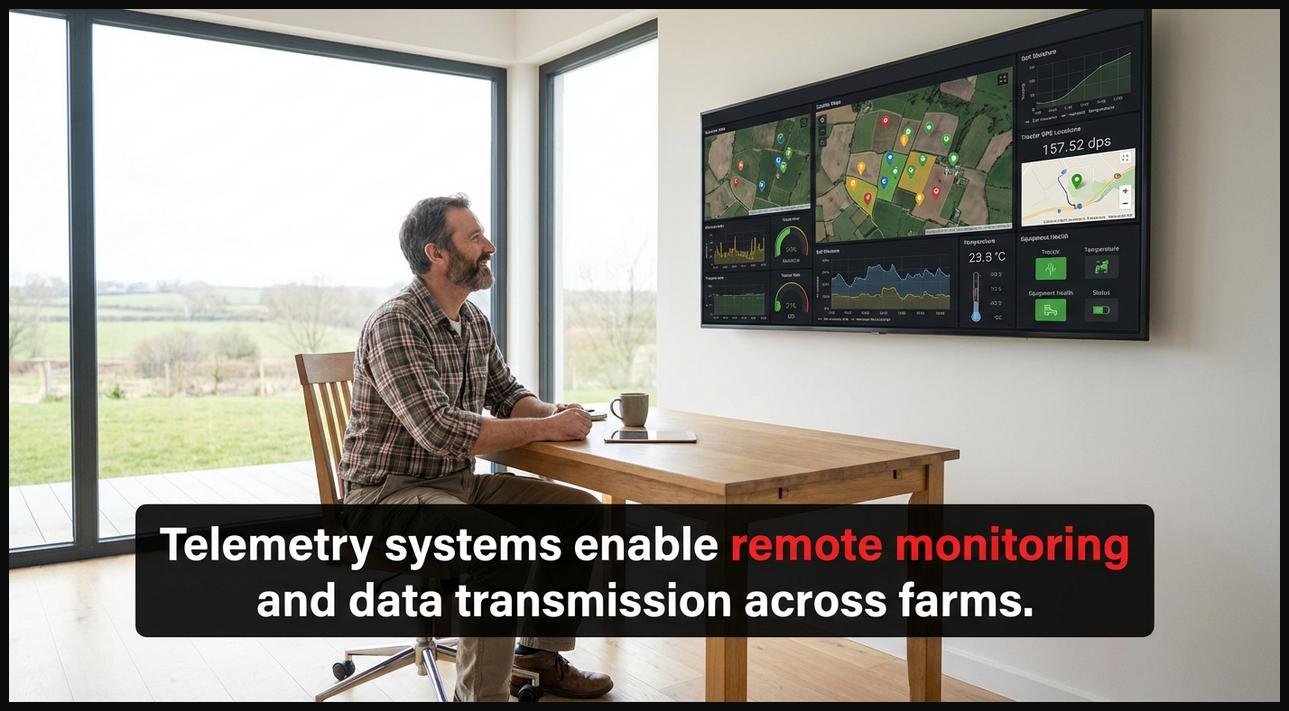
Telemetry systems are essential for remote monitoring and data transmission in agricultural settings, especially where direct human observation is impractical or impossible. These systems wirelessly collect data from various sensors and devices distributed across fields, sending it to a central location or cloud-based platform for analysis. This allows farmers to keep a constant watch on their crops and equipment from anywhere.
By 2026, telemetry systems will offer even faster data transfer speeds, improved power efficiency, and broader network coverage, ensuring reliable communication even in the most remote farming areas. They are critical for managing large-scale operations and integrating diverse smart agriculture technology, providing timely insights that drive decision-making.
| Feature | Benefit | 2026 Relevance |
|---|---|---|
| Wireless Data Transfer | Remote farm monitoring | Faster speeds & wider coverage |
| Sensor Integration | Consolidate diverse data streams | Enhanced power efficiency |
| Real-time Alerts | Timely issue notification | Critical for large-scale operations |
12. GPS-Guided Farm Equipment
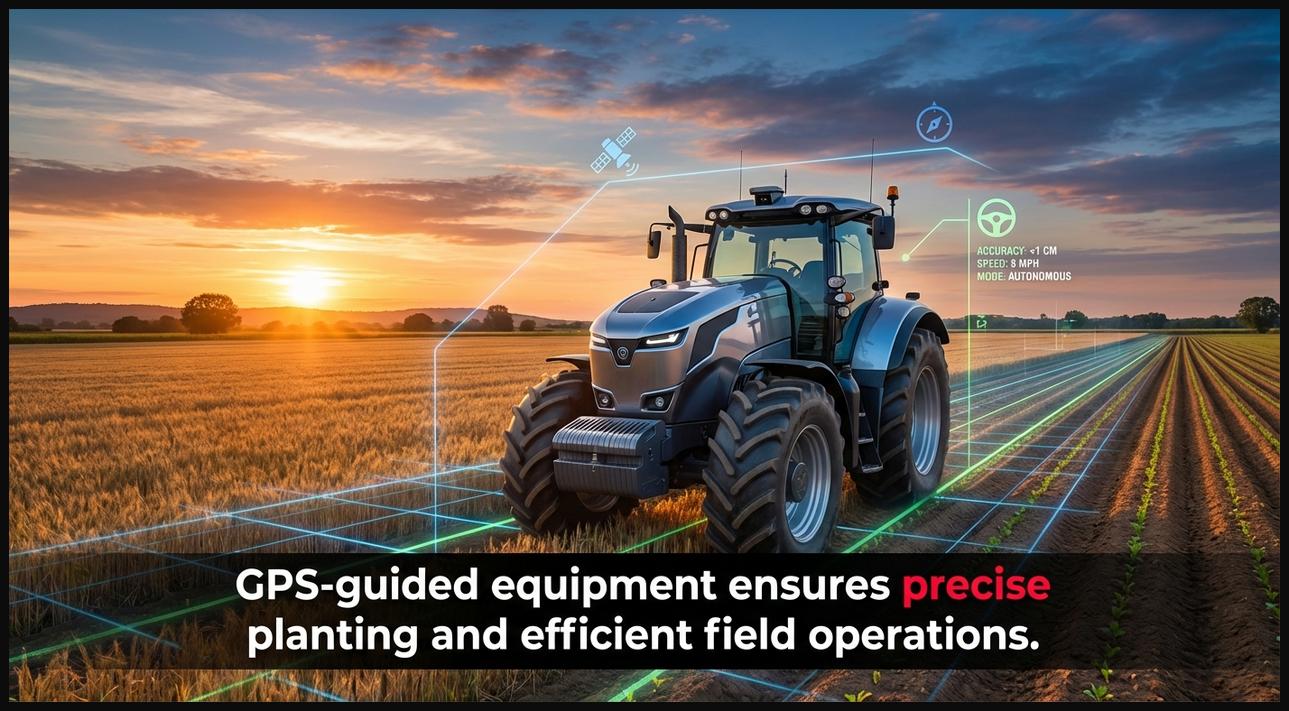
Precision farming relies heavily on accurate positioning, and GPS-guided farm equipment is at its core. These systems use highly accurate GPS signals to steer tractors and other machinery, ensuring precise planting, spraying, and harvesting paths. This eliminates overlaps and skips, leading to significant savings in fuel, seeds, fertilizers, and pesticides.
In 2026, advancements in RTK (Real-Time Kinematic) GPS technology will provide even centimeter-level accuracy, enabling fully autonomous operations for many farm tasks. This level of precision is fundamental for maximizing efficiency, reducing labor costs, and implementing variable rate applications with unmatched accuracy, boosting overall farm profitability.
| Feature | Benefit | 2026 Relevance |
|---|---|---|
| Centimeter Accuracy | Precise field operations | Enable fully autonomous machinery |
| Automated Steering | Reduce input waste & labor | Maximize operational efficiency |
| Field Mapping | Optimized path planning | Integration with VR applicators |
13. Yield Monitoring Systems
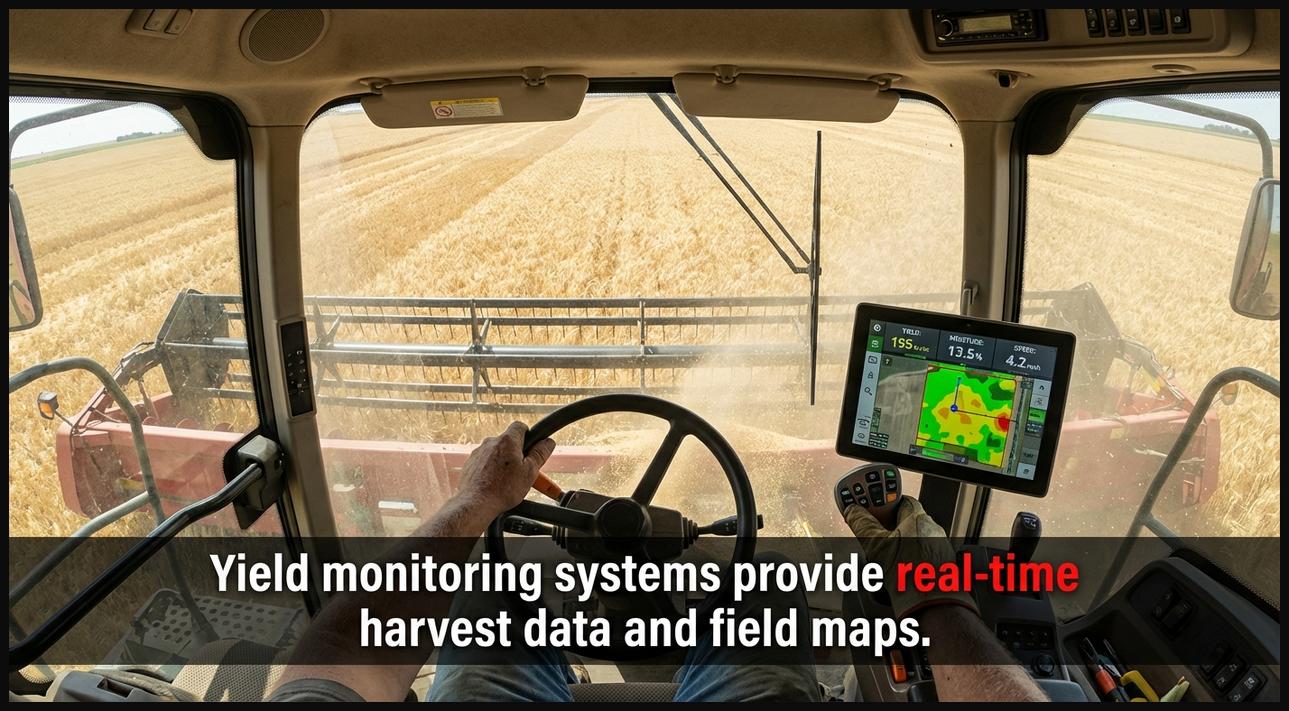
Yield monitoring systems are crucial crop monitoring tools integrated into harvest machinery, providing real-time data on crop yield as it’s being harvested. These systems measure the amount of grain or produce flowing through the combine, along with its moisture content, and log this data against GPS coordinates. This creates detailed yield maps of fields.
By 2026, these systems will offer even greater precision and connectivity, seamlessly integrating with farm management software to provide immediate insights into field performance. Yield maps are invaluable for identifying high and low-performing areas, allowing farmers to understand the effectiveness of different management practices and make informed decisions for future seasons.
| Feature | Benefit | 2026 Relevance |
|---|---|---|
| Real-time Yield Data | Immediate harvest performance insights | Enhanced precision & connectivity |
| GPS Mapping | Identify high/low yielding zones | Seamless software integration |
| Moisture Content Measurement | Optimize storage & drying strategies | Data-driven future planning |
14. Variable Rate Technology (VRT) Software
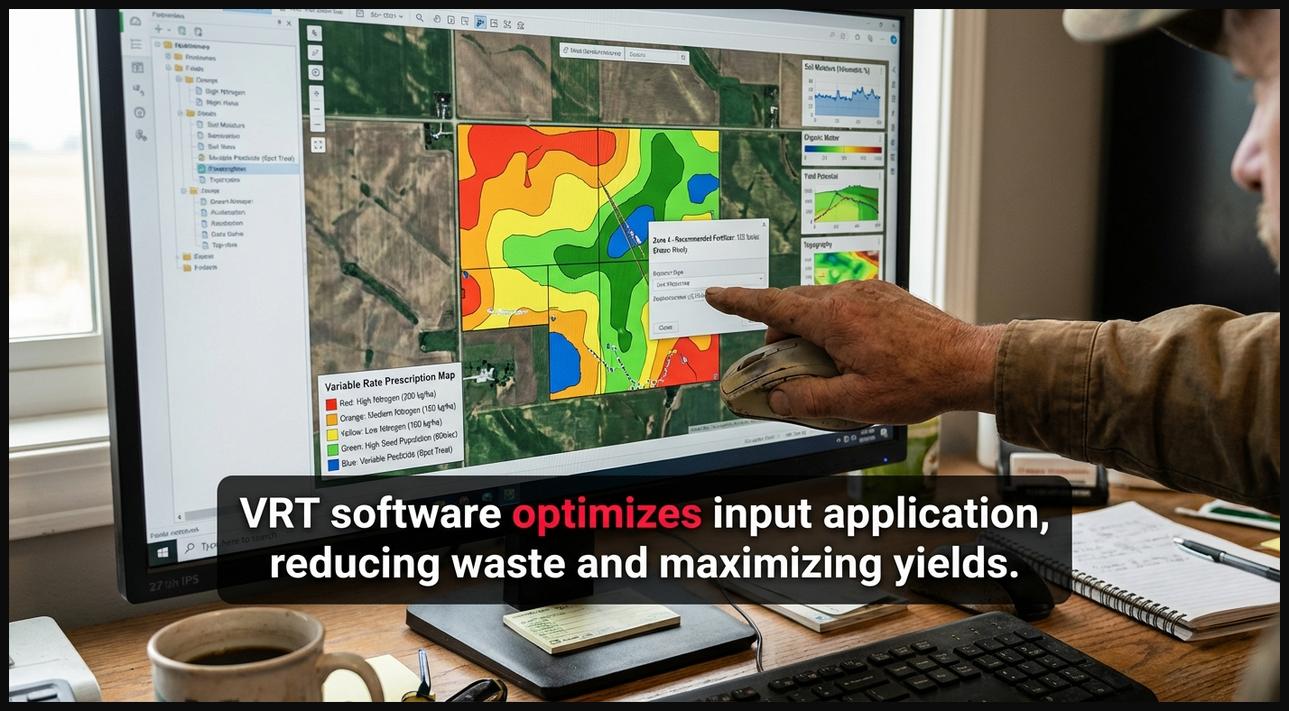
Variable Rate Technology (VRT) software is the intelligence behind applying inputs precisely where they are needed, rather than uniformly across an entire field. This software processes data from soil maps, yield maps, and sensor readings to create prescription maps for fertilizers, seeds, and pesticides. It then communicates these maps to VRT-equipped machinery.
In 2026, VRT software will leverage more sophisticated AI and machine learning algorithms, allowing for dynamic adjustments based on real-time field conditions. This technology significantly reduces input waste, minimizes environmental impact, and ensures each part of the field receives optimal treatment, maximizing resource efficiency and overall crop productivity.
| Feature | Benefit | 2026 Relevance |
|---|---|---|
| Prescription Mapping | Targeted input application | AI-driven dynamic adjustments |
| Data Integration | Utilize diverse field data | Enhanced resource optimization |
| Input Efficiency | Reduce waste & costs | Improved environmental sustainability |
15. Predictive Analytics Software
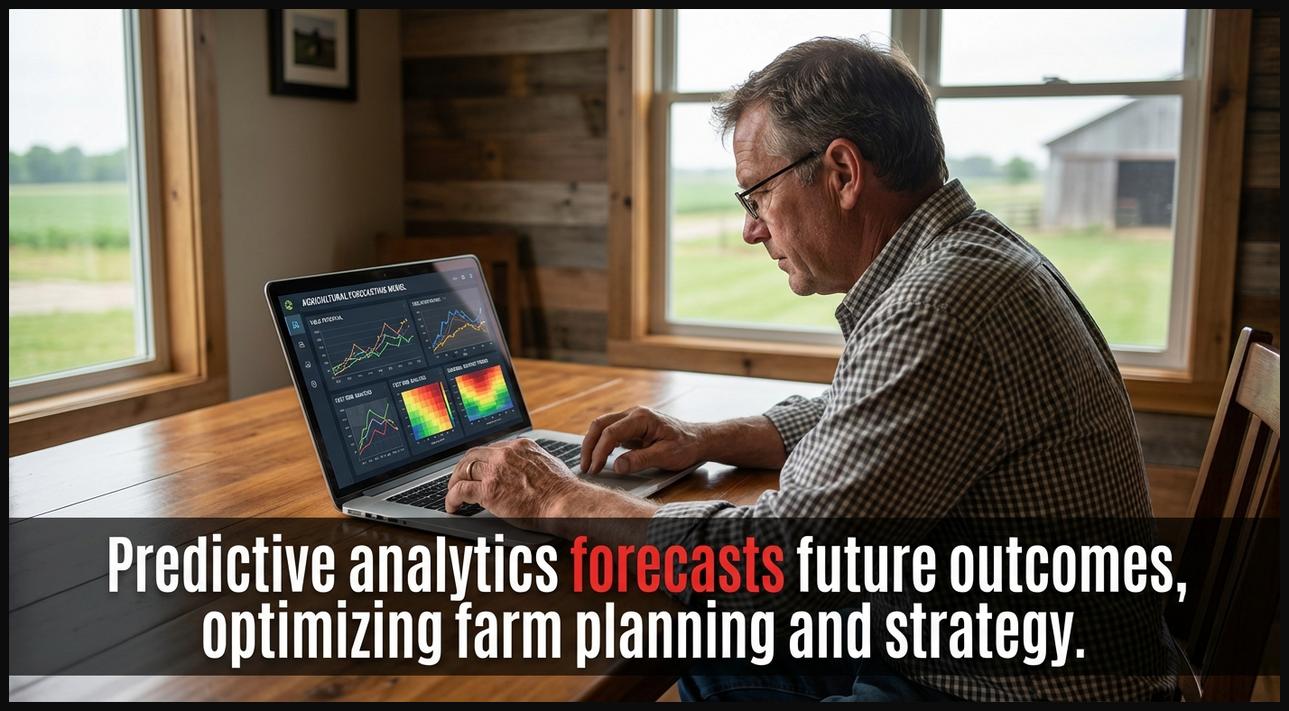
Forecasting the future is a powerful capability in agriculture, and predictive analytics software delivers just that. By analyzing historical data from yields, weather patterns, soil conditions, and market trends, these tools can forecast future outcomes such as potential yields, disease outbreaks, pest pressures, and even market prices. They use complex algorithms and machine learning to identify patterns and relationships.
By 2026, predictive analytics will be even more refined, offering highly accurate, localized forecasts that empower farmers to make proactive decisions, mitigate risks, and optimize their operational strategies. This foresight enables better planning for everything from planting schedules to harvest logistics, enhancing profitability and resilience in farming.
| Feature | Benefit | 2026 Relevance |
|---|---|---|
| Yield Forecasting | Optimize harvest planning | Highly refined & localized forecasts |
| Risk Assessment | Anticipate pest/disease outbreaks | Empowered proactive decision-making |
| Data-Driven Insights | Identify hidden patterns & trends | Enhanced farm profitability |
16. Cloud-Based Farm Management Platforms
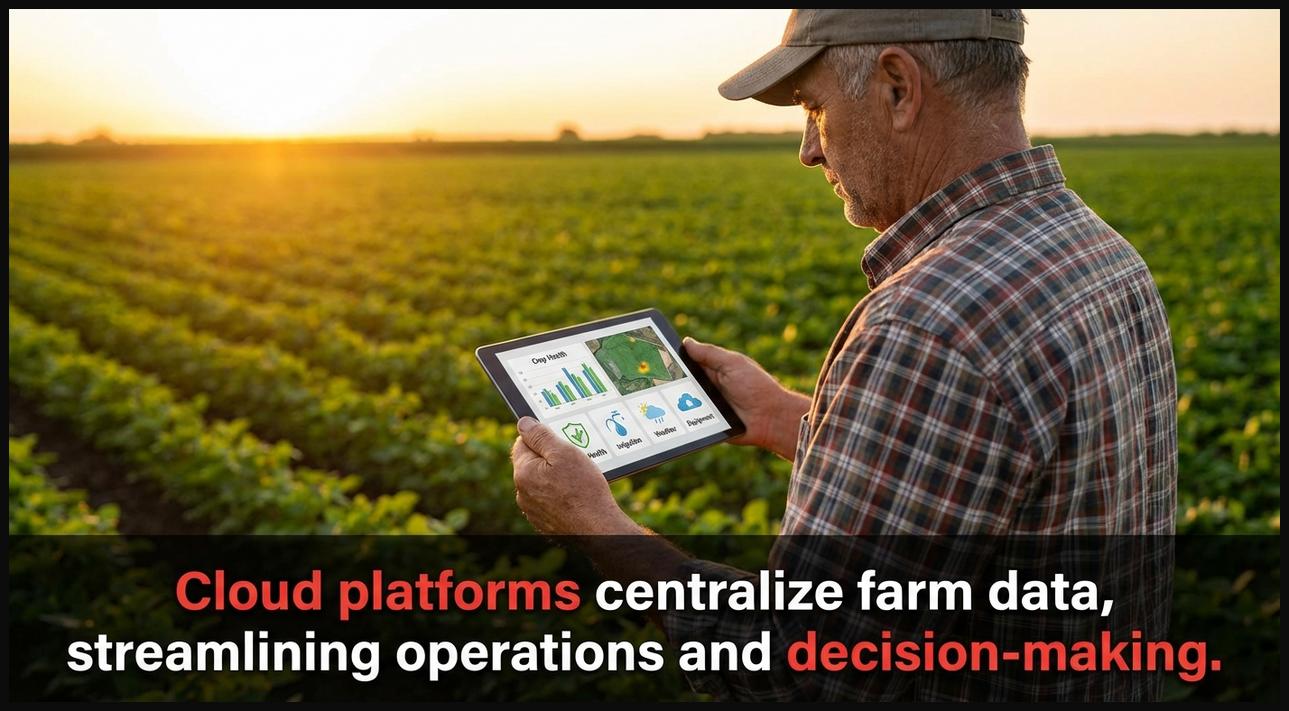
Centralizing all farm data and operations is made possible through cloud-based farm management platforms. These comprehensive systems integrate information from various crop monitoring tools, sensors, machinery, and financial records into a single, accessible dashboard. Farmers can monitor everything from planting to harvesting, equipment maintenance, and financial performance from any internet-connected device.
In 2026, these platforms will boast enhanced interoperability, allowing seamless data exchange between even more diverse agricultural technologies. They provide a holistic view of the entire farm enterprise, enabling better decision-making, streamlining workflows, and improving communication among farm teams, serving as the digital hub of modern agriculture.
| Feature | Benefit | 2026 Relevance |
|---|---|---|
| Centralized Data | Holistic farm overview | Enhanced interoperability |
| Remote Access | Monitor farm from anywhere | Streamlined workflows & collaboration |
| Integration Hub | Connect diverse Agri-tech tools | Comprehensive decision support |
17. Blockchain for Supply Chain Traceability
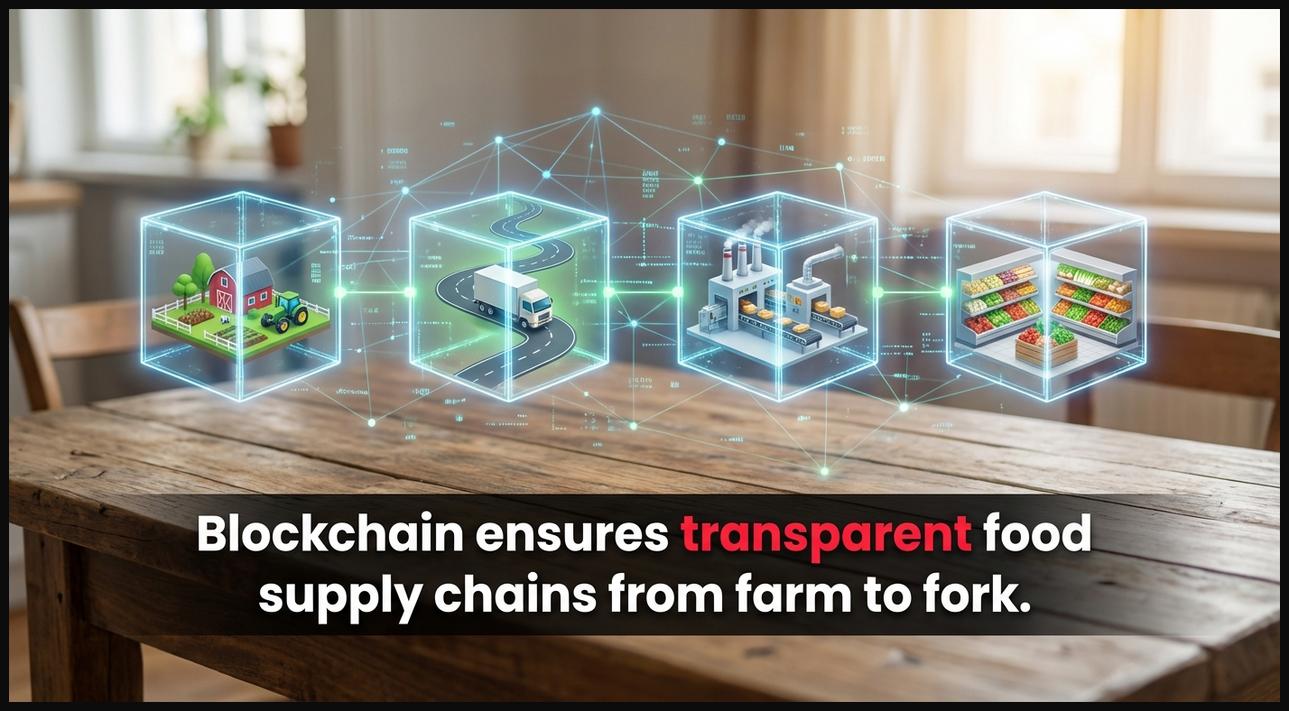
While not directly a *crop monitoring* tool in the field, blockchain technology significantly enhances transparency and trust in the agricultural supply chain, which is crucial for high-value crops and consumer confidence. It creates an immutable, distributed ledger that records every step a product takes from farm to fork, verifying origin, quality, and sustainable practices.
By 2026, blockchain will be increasingly used to trace specific crop batches, ensuring authenticity and providing consumers with detailed information about their food’s journey. This transparency can help prevent fraud, confirm organic certifications, and even link specific crop health data to the final product, adding immense value for producers and consumers alike.
| Feature | Benefit | 2026 Relevance |
|---|---|---|
| Immutable Ledger | Enhanced supply chain transparency | Increased consumer trust |
| Product Verification | Confirm origin & quality claims | Prevention of food fraud |
| Data Linkage | Connect field data to end product | Support for sustainable certifications |
18. Robotic Scouting Systems
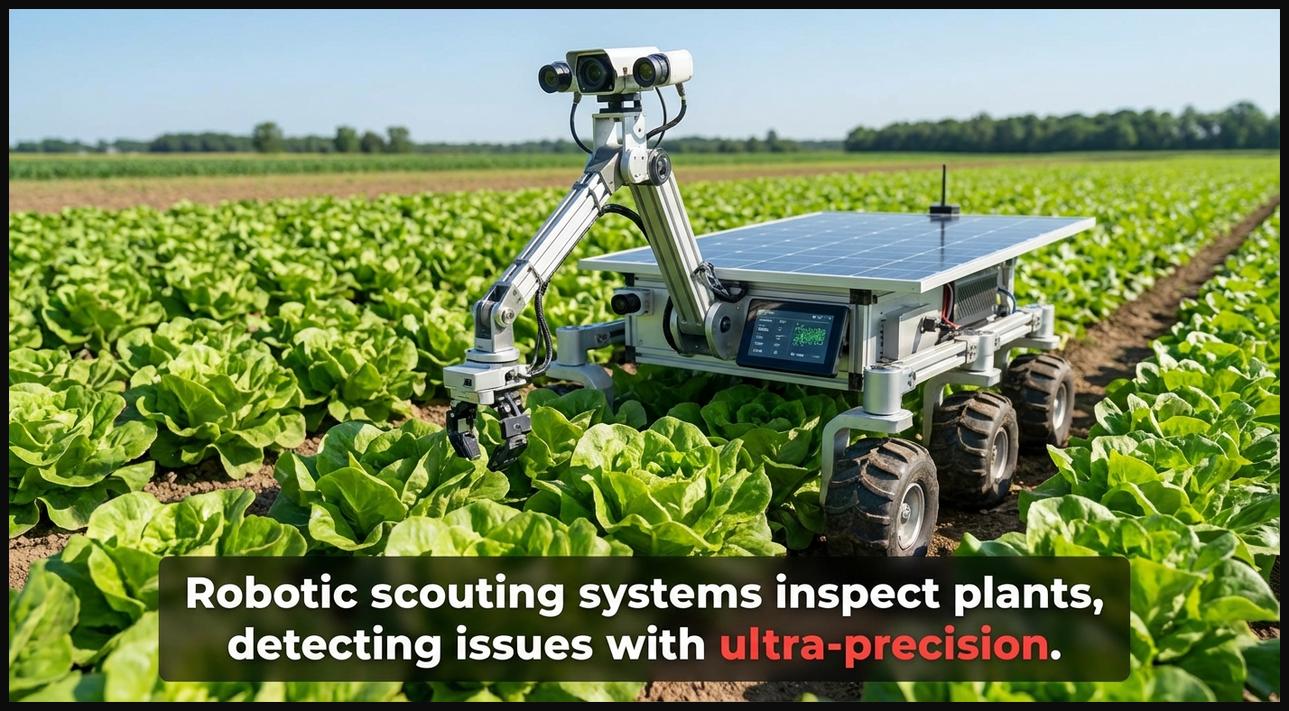
Autonomous robots are becoming indispensable for intricate and repetitive tasks in the field, including crop scouting. These robotic systems navigate fields, often using AI and advanced sensors, to meticulously inspect individual plants. They can detect subtle signs of disease, pests, nutrient deficiencies, and even measure plant growth parameters without human intervention.
In 2026, robotic scouting systems will feature enhanced agility, endurance, and data processing capabilities, making them vital for large-scale operations and specialized crops. They provide highly detailed, plant-level data that enables ultra-precise interventions, reducing labor costs and ensuring optimal care for every plant, exemplifying smart agriculture technology.
| Feature | Benefit | 2026 Relevance |
|---|---|---|
| Autonomous Navigation | Efficient & tireless field inspection | Enhanced agility & endurance |
| Plant-Level Data | Detect subtle individual plant issues | Ultra-precise intervention capabilities |
| Labor Reduction | Automate repetitive scouting tasks | Critical for specialized crops |
19. Bio-Acoustic Sensors
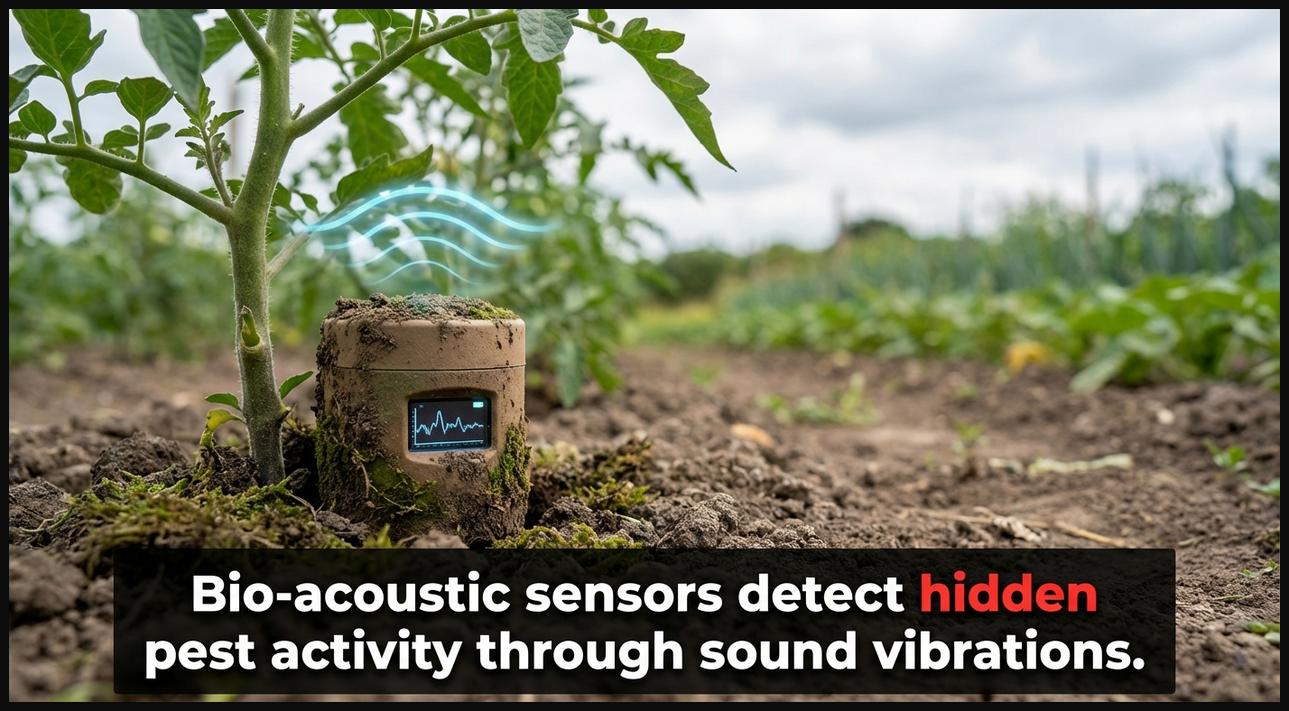
Sometimes, the best way to monitor pests is to listen to them. Bio-acoustic sensors detect and analyze the sounds made by insects, such as chewing, movement, or communication calls, even those hidden within plants or soil. These subtle vibrations can indicate the presence and activity levels of various pests, providing early warnings before significant damage occurs.
By 2026, bio-acoustic technology will be able to distinguish between an even wider array of pest species with high accuracy, integrating seamlessly with other pest management systems. This non-invasive monitoring method helps farmers identify specific threats early, allowing for targeted and timely interventions, reducing reliance on visual scouting and chemical treatments.
| Feature | Benefit | 2026 Relevance |
|---|---|---|
| Sound Detection | Identify hidden pest activity | High-accuracy species differentiation |
| Non-Invasive Monitoring | Early warning without physical contact | Integration with IPM strategies |
| Real-time Alerts | Timely intervention strategies | Reduced visual scouting efforts |
20. Root Zone Monitoring Systems
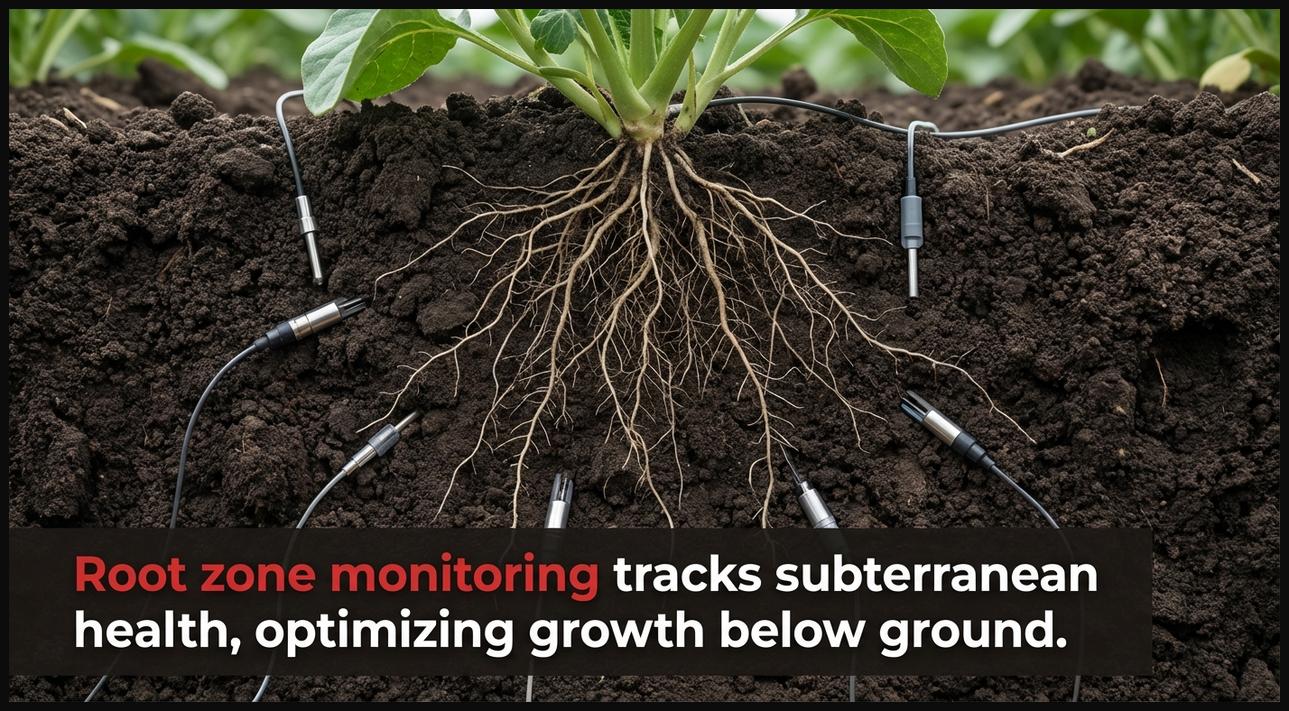
While much attention focuses on above-ground plant health, the root zone is equally, if not more, critical. Root zone monitoring systems employ specialized sensors inserted into the soil to track root growth, health, and activity. They provide insights into nutrient uptake dynamics, soil compaction, and the overall subterranean environment, which are difficult to observe directly.
In 2026, these advanced sensors will offer even more detailed chemical and physical root zone data, crucial for optimizing irrigation and fertilization below the surface. Understanding root health allows farmers to ensure their crops develop robust foundations, leading to stronger plants, better nutrient absorption, and ultimately, higher yields.
| Feature | Benefit | 2026 Relevance |
|---|---|---|
| Subterranean Insights | Monitor root growth & health | Detailed chemical/physical data |
| Nutrient Uptake Analysis | Optimize fertilization strategies | Enhanced root system development |
| Soil Compaction Detection | Improve soil structure | Foundation for higher yields |
21. Plant Sap Analysis Tools
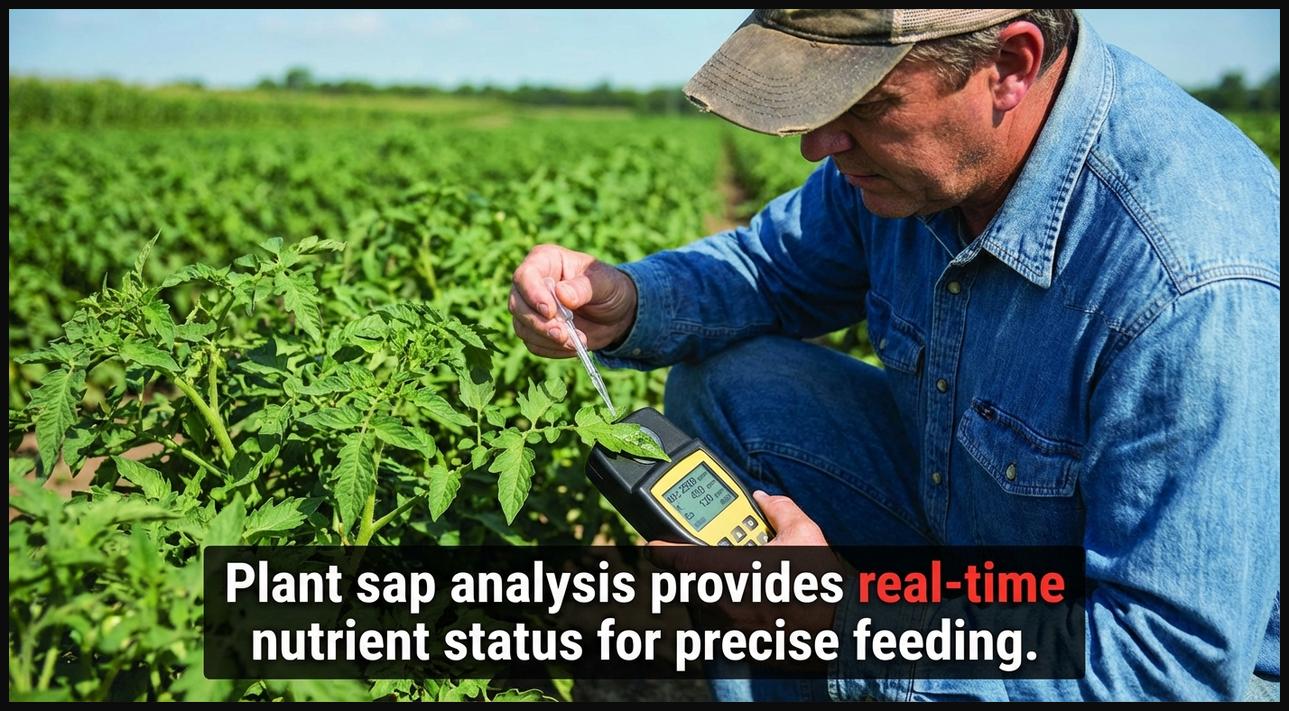
For a direct measure of a plant’s nutritional status, plant sap analysis tools offer real-time insights into what nutrients a crop is actively taking up. By analyzing fresh sap, farmers can immediately identify deficiencies or excesses of specific elements, often before any visual symptoms appear on the leaves. This is a very precise way to understand a plant’s internal chemistry.
By 2026, portable and rapid plant sap analysis devices will be more common, providing on-the-spot diagnoses in the field. This immediate feedback enables highly accurate and timely nutrient adjustments, preventing yield losses and ensuring optimal plant nutrition throughout the growing season. This is a top-tier approach for best crop health sensors.
| Feature | Benefit | 2026 Relevance |
|---|---|---|
| Real-time Nutrient Status | Identify immediate deficiencies/excesses | Portable & rapid field analysis |
| Early Diagnosis | Prevent visible nutrient symptoms | Accurate & timely nutrient adjustments |
| Precise Feeding | Optimize fertilizer applications | Enhanced yield prevention |
22. Automated Irrigation Controllers
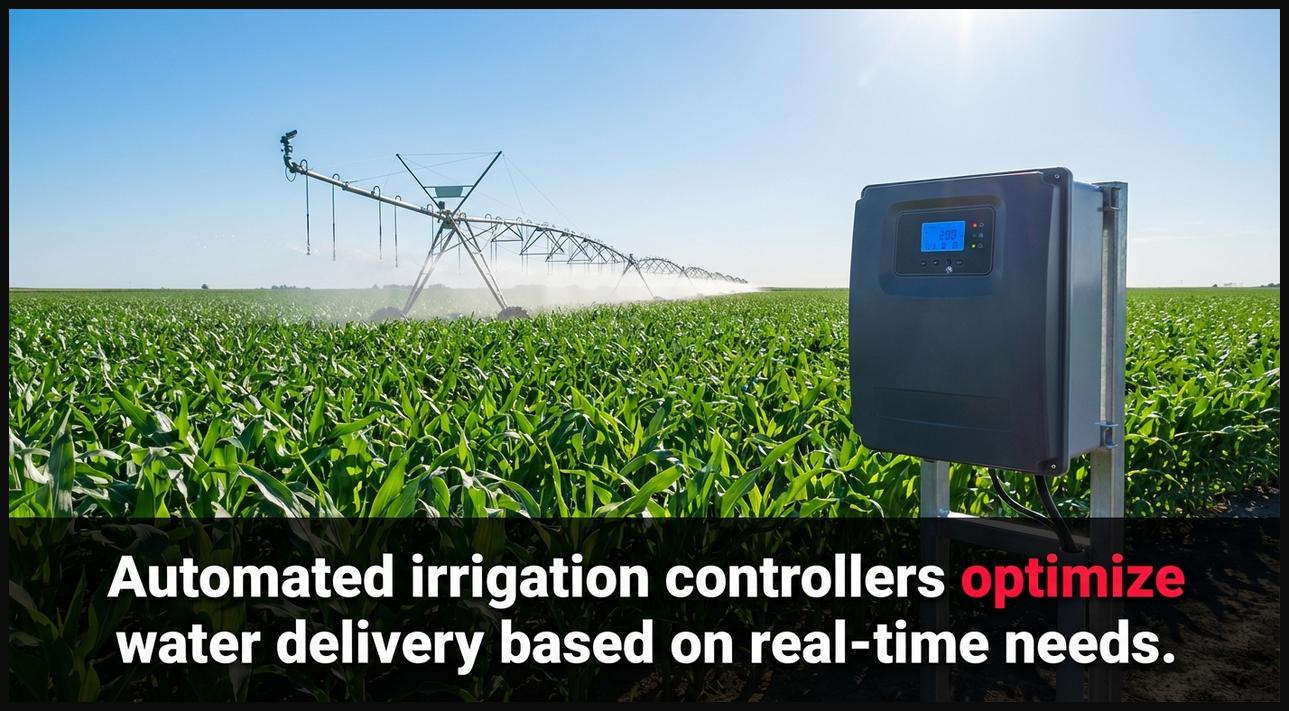
Taking soil moisture data and weather forecasts to the next level, automated irrigation controllers manage the precise delivery of water to crops without manual intervention. These systems integrate with various sensors and weather stations, automatically turning irrigation systems on and off, and adjusting water volumes based on real-time needs.
In 2026, these controllers will feature more advanced AI algorithms that learn crop water requirements over time and adapt to changing environmental conditions. This level of automation not only saves significant amounts of water and labor but also ensures crops consistently receive optimal hydration, leading to healthier growth and improved yields.
| Feature | Benefit | 2026 Relevance |
|---|---|---|
| Automatic Watering | Optimize water usage & save labor | Advanced AI for adaptive control |
| Sensor Integration | Respond to real-time field conditions | Ensured optimal crop hydration |
| Remote Management | Control irrigation from anywhere | Significant resource savings |
23. Leaf Area Index (LAI) Sensors
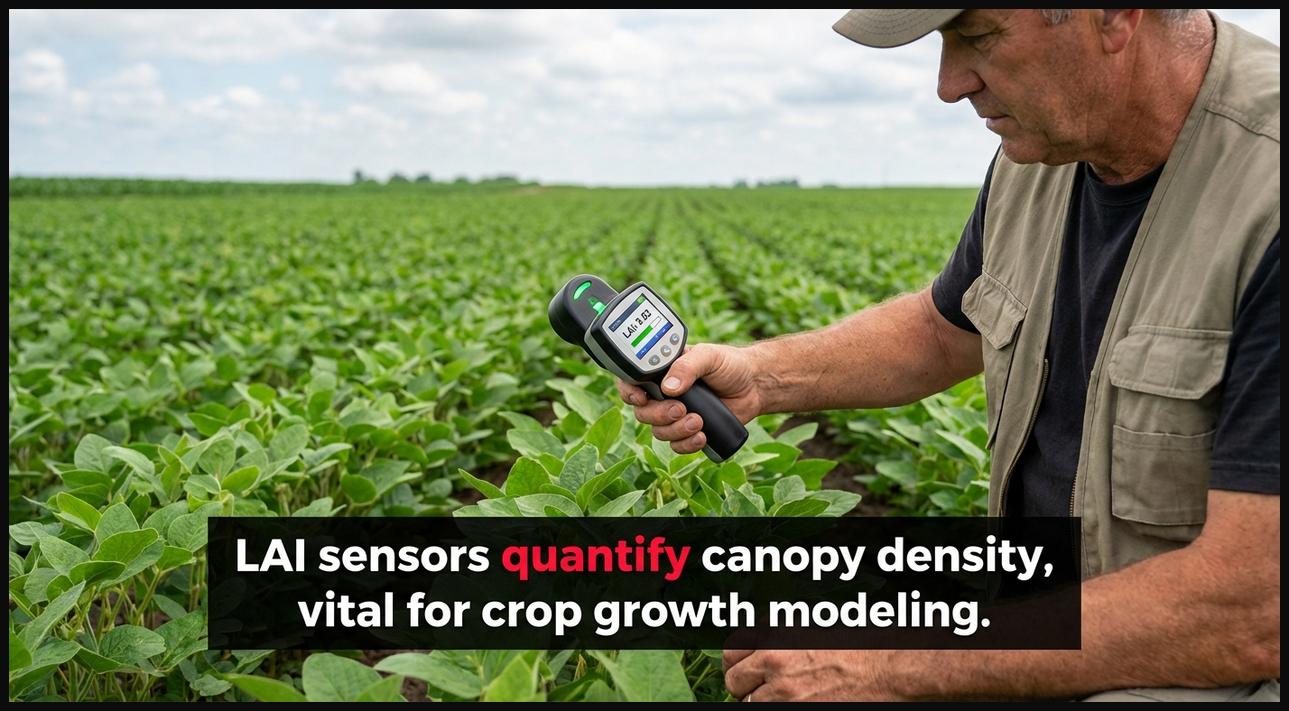
Leaf Area Index (LAI) is a critical parameter for understanding crop growth, photosynthetic capacity, and overall vigor. LAI sensors non-invasively measure the total one-sided leaf area per unit ground surface area, providing quantitative data on canopy density and light interception. This information is vital for modeling crop development and predicting yields.
By 2026, more sophisticated LAI sensors, often integrated with drones or ground robots, will provide continuous, high-resolution spatial LAI maps. Farmers can use this data to fine-tune nutrient management, assess the impact of stress factors, and make informed decisions to optimize canopy structure for maximum photosynthetic efficiency and improved yields.
| Feature | Benefit | 2026 Relevance |
|---|---|---|
| Non-invasive Measurement | Quantify canopy growth & density | Continuous high-resolution mapping |
| Crop Growth Modeling | Predict yield & development stages | Optimized nutrient management |
| Photosynthetic Efficiency | Assess light interception capabilities | Enhanced canopy structure decisions |
24. Multi-spectral Cameras
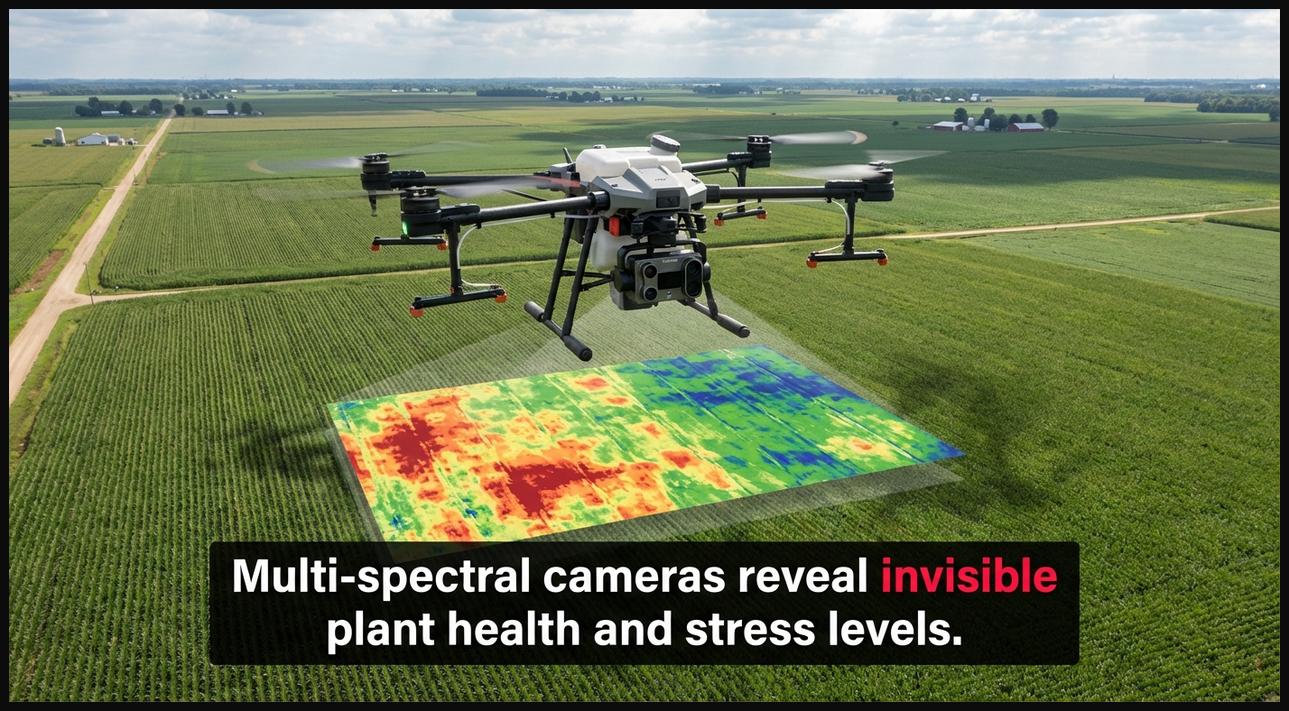
Multi-spectral cameras are fundamental crop monitoring tools, capturing images across several distinct light bands, including visible and invisible (near-infrared) light. This allows for the calculation of various vegetation indices, like NDVI, providing valuable insights into plant health, vigor, and stress levels that are not apparent to the human eye. They offer a balance between detail and cost-effectiveness.
In 2026, these cameras will become even more affordable, robust, and integrated into a wider range of agricultural platforms, including handheld devices, drones, and autonomous vehicles. The data they provide is essential for creating precise application maps for fertilizers and pesticides, enabling farmers to target treatments only where needed.
| Feature | Benefit | 2026 Relevance |
|---|---|---|
| Multiple Light Bands | Detect invisible plant stress | Increased affordability & integration |
| Vegetation Indices (NDVI) | Assess plant vigor & health | Precision application mapping |
| Versatile Platforms | Deploy on drones, handhelds, robots | Cost-effective field insights |
25. Phenotyping Platforms
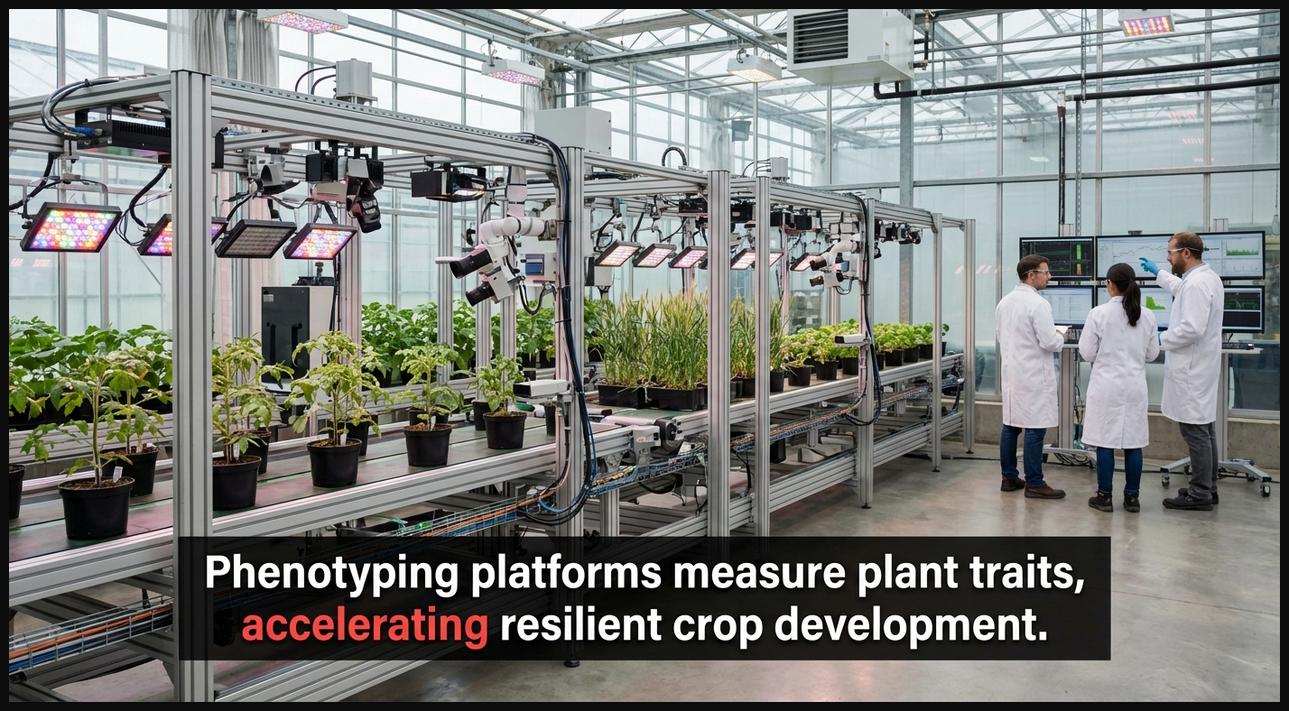
Phenotyping platforms are advanced systems used to systematically measure the physical and biochemical characteristics of plants (the phenotype) as they grow. These platforms often involve controlled environments, automated imaging, and sophisticated data analysis to understand how genetic makeup interacts with environmental factors. While often used in research, their insights are vital for future crop varieties.
By 2026, high-throughput phenotyping (HTP) technologies will be more accessible and contribute significantly to developing more resilient and productive crop varieties suited for specific environmental challenges. Though primarily research-focused, the data they generate informs the selection of best crop health sensors and farming practices, driving agricultural innovation.
| Feature | Benefit | 2026 Relevance |
|---|---|---|
| Systematic Measurement | Analyze plant characteristics over time | More accessible HTP technologies |
| Environmental Interaction | Understand gene-environment effects | Development of resilient crop varieties |
| Automated Data Capture | Efficient and consistent data collection | Informs future Agri-tech and practices |
26. Decision Support Systems (DSS)
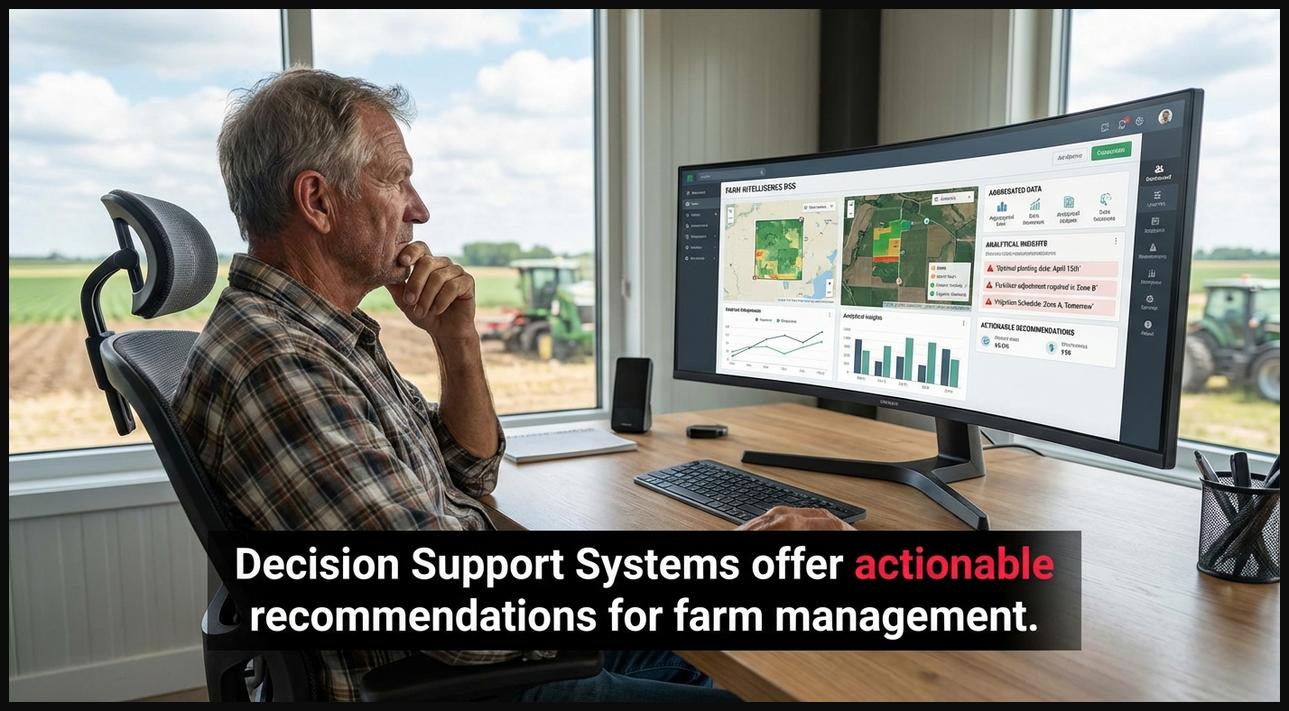
Decision Support Systems (DSS) are software applications that synthesize vast amounts of agricultural data – from weather forecasts and soil conditions to historical yields and market prices – and provide actionable recommendations to farmers. They often integrate AI and machine learning to help interpret complex datasets and present clear choices.
In 2026, DSS will be even more intuitive and comprehensive, offering highly personalized advice tailored to specific farm conditions, crop types, and economic goals. These systems empower farmers to make more informed and strategic decisions, optimizing everything from planting dates and fertilizer applications to pest management strategies and harvest timing, truly embodying smart agriculture technology.
| Feature | Benefit | 2026 Relevance |
|---|---|---|
| Data Synthesis | Interpret complex agricultural data | More intuitive & comprehensive advice |
| Actionable Recommendations | Guidance for farm management decisions | Highly personalized operational strategies |
| AI & ML Integration | Enhanced analytical capabilities | Optimized resource utilization |
27. Digital Twin Technology for Farms
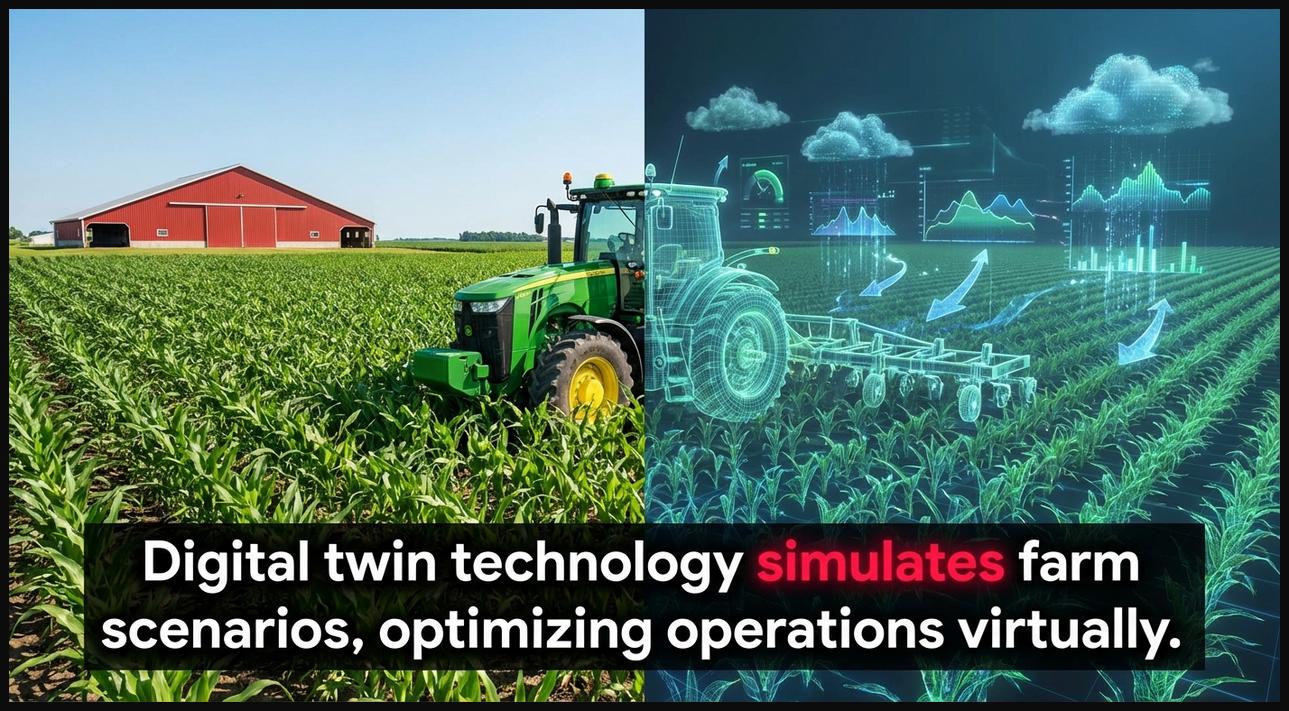
Imagine a virtual replica of your entire farm, updating in real time with data from every sensor and machine – that’s digital twin technology. This sophisticated modeling creates a dynamic, virtual representation of fields, crops, and infrastructure, allowing farmers to simulate scenarios, predict outcomes, and optimize operations in a risk-free environment.
By 2026, digital twins will be increasingly employed for advanced planning and predictive management, enabling farmers to test different irrigation schedules or nutrient applications virtually before implementing them in the physical world. This powerful tool provides unparalleled insights and helps farmers proactively address challenges, revolutionizing farm management and experimental efficiency.
| Feature | Benefit | 2026 Relevance |
|---|---|---|
| Virtual Farm Replica | Real-time overview of operations | Advanced planning & predictive management |
| Scenario Simulation | Test strategies risk-free | Unparalleled operational optimization |
| Data Integration | Synthesize all farm data dynamically | Revolutionized farm experimentation |
28. Automated Seed Counters & Planters
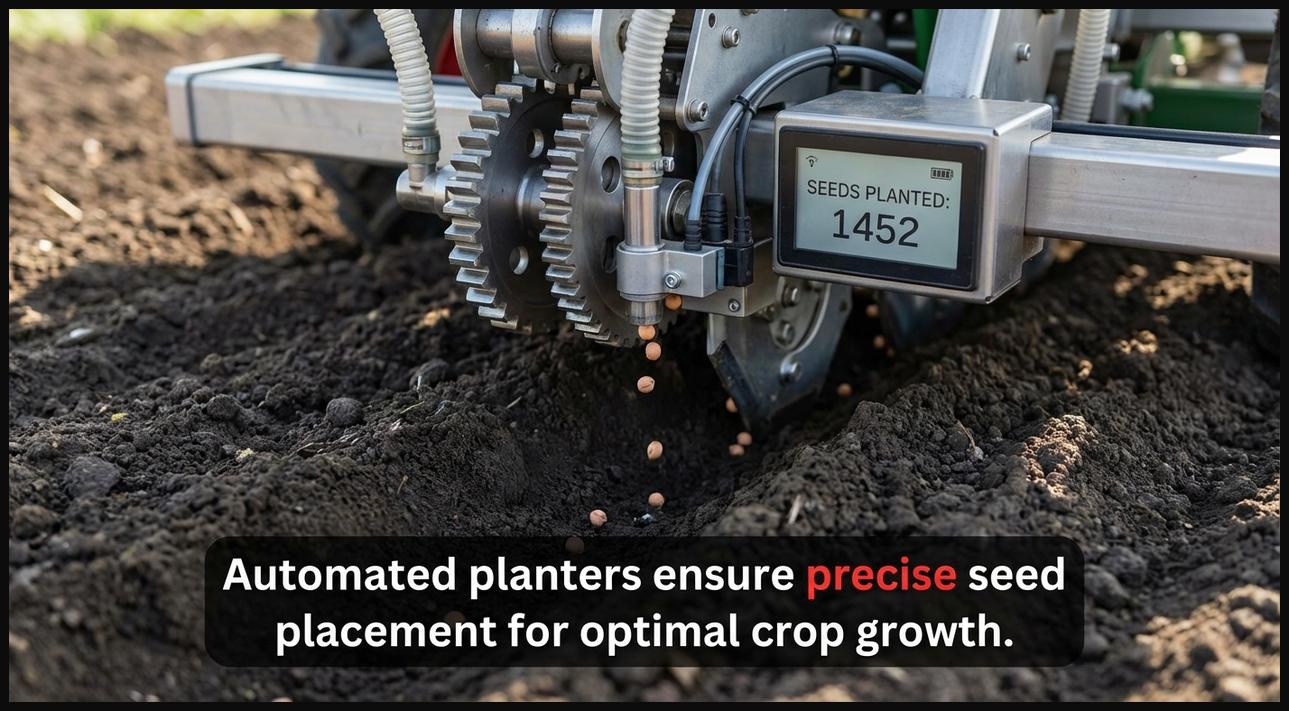
Precision planting is a cornerstone of maximizing yields, and automated seed counters integrated with intelligent planters ensure optimal seed placement and density. These tools accurately count and dispense seeds at precise intervals and depths, ensuring each plant has adequate space, light, and nutrients to thrive. This minimizes waste and promotes uniform crop growth.
In 2026, these systems will feature enhanced sensor feedback and AI-driven adjustments, adapting planting parameters on the fly based on varying soil conditions or terrain. This level of automation and precision planting is critical for achieving consistent germination rates, establishing strong stands, and setting the foundation for high-yielding crops.
| Feature | Benefit | 2026 Relevance |
|---|---|---|
| Precise Seed Dispensing | Optimal plant spacing & density | AI-driven planting adjustments |
| Automated Counting | Minimize seed waste & optimize usage | Enhanced sensor feedback |
| Uniform Germination | Establish strong & healthy stands | Foundation for high yields |
29. Remote Sensing Services (Subscription-based)
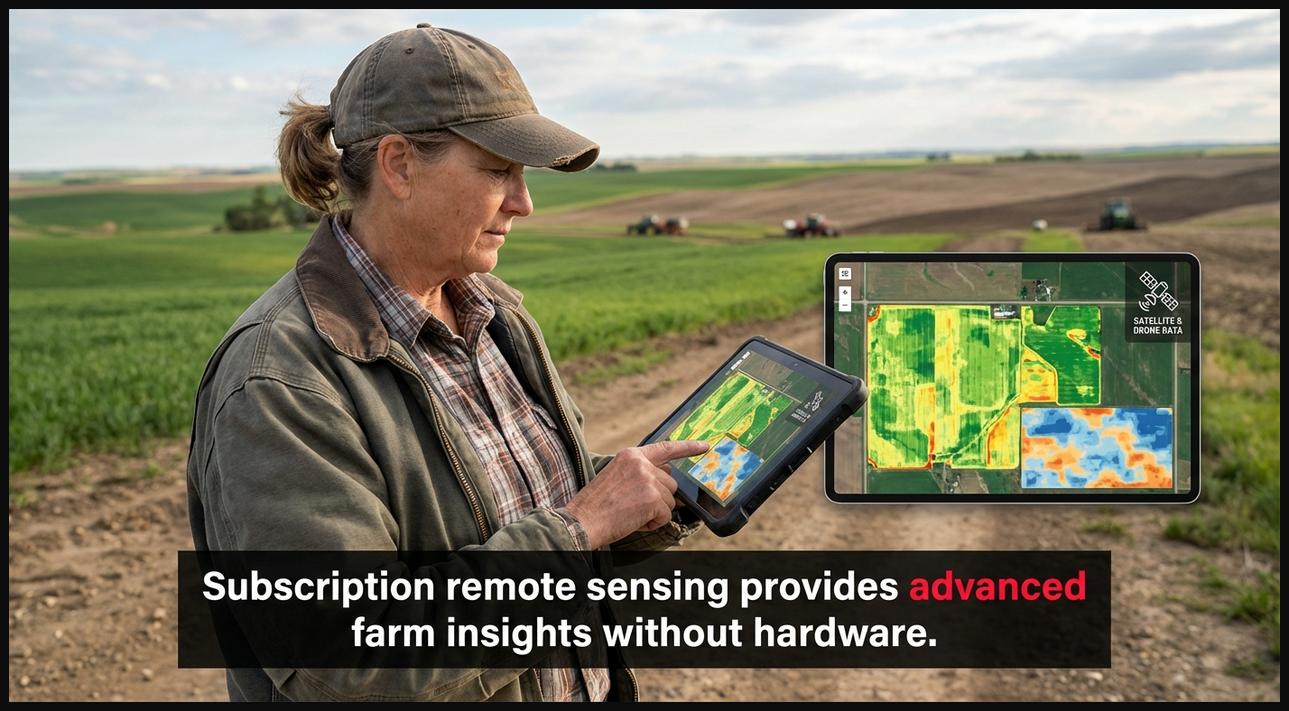
For farmers who prefer not to invest directly in their own satellite or drone fleets, subscription-based remote sensing services offer a convenient and cost-effective solution. These services provide regular updates of satellite or aerial imagery, vegetation indices, and data analytics for subscribed fields, delivering valuable insights without the need for extensive hardware ownership or operation.
By 2026, these services will offer more frequent updates, higher resolution data, and more sophisticated analytics, often incorporating AI to interpret trends and highlight critical areas. This democratizes access to advanced crop monitoring tools, making precision agriculture feasible for a wider range of farm sizes and budgets, ensuring broad adoption of smart farming practices.
| Feature | Benefit | 2026 Relevance |
|---|---|---|
| Managed Data Delivery | Access advanced insights without owning hardware | More frequent & higher resolution data |
| Cost-Effective Solution | Reduce capital expenditure on tech | Democratized access to precision agriculture |
| Expert Analysis | Benefit from specialized data interpretation | AI-driven trend interpretation |
30. Handheld Spectrometers
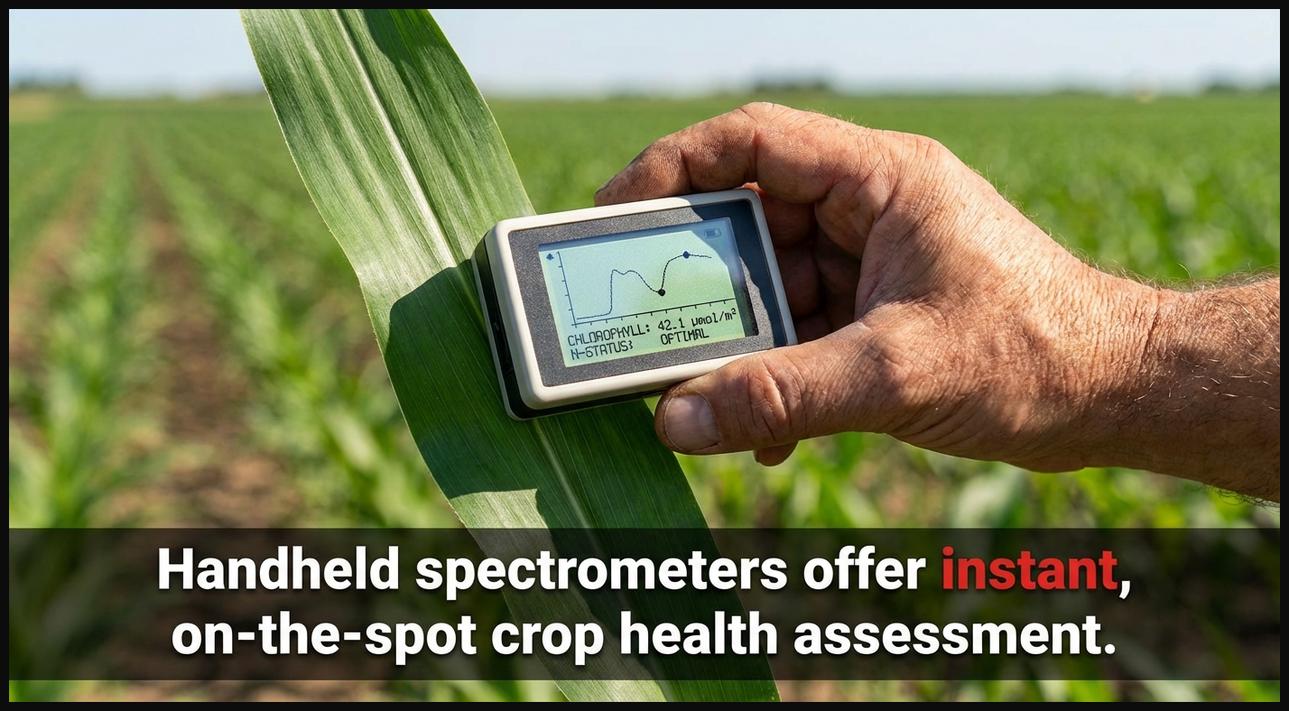
For quick, on-the-spot assessments of crop health, handheld spectrometers are valuable tools. These portable devices measure light reflected from plant leaves across various spectral bands, providing immediate data on nutrient content, chlorophyll levels, and moisture status. They offer a fast way to confirm observations made through other monitoring methods or to investigate specific problem areas.
In 2026, handheld spectrometers will be even more compact, user-friendly, and capable of integrating with smartphone apps for instant data logging and analysis. While not for large-scale mapping, they are essential for detailed spot-checks and ground-truthing data from remote sensing, empowering farmers with immediate and precise diagnostic capabilities in the field.
| Feature | Benefit | 2026 Relevance |
|---|---|---|
| On-the-Spot Analysis | Quick assessment of plant health | Compact & smartphone integrated |
| Nutrient & Chlorophyll Data | Immediate diagnostic insights | Enhanced field-level precision |
| Ground-Truthing | Verify remote sensing data | User-friendly operation |
FAQs
What are the primary benefits of using crop monitoring tools in 2026?
In 2026, the primary benefits of utilizing crop monitoring tools include significantly increased yields through optimized resource use, reduced input costs by targeting applications precisely, and enhanced sustainability by minimizing environmental impact. These tools also provide early detection of pests, diseases, and stresses, allowing for proactive management and improved overall farm resilience.
How do smart agriculture technology solutions contribute to sustainable farming by 2026?
By 2026, smart agriculture technology will play a crucial role in sustainable farming by enabling precise application of water, fertilizers, and pesticides, thereby reducing waste and preventing runoff. Real-time data and predictive analytics empower farmers to conserve resources, improve soil health, and make environmentally responsible decisions, leading to a more efficient and eco-friendly food production system.
Are crop health sensors difficult to integrate into existing farm operations?
The integration of best crop health sensors into existing farm operations is becoming increasingly streamlined. Many modern sensors are designed with user-friendly interfaces and offer wireless connectivity, allowing for relatively straightforward setup. Cloud-based farm management platforms often provide central hubs for data from various sensors, making data interpretation and decision-making more accessible for farmers of all technological skill levels.
What role will AI play in crop monitoring tools in 2026?
By 2026, Artificial Intelligence (AI) will be an indispensable component of crop monitoring tools, enhancing their capabilities significantly. AI algorithms will enable more accurate image recognition for pest and disease identification, power predictive analytics for yield forecasting and risk assessment, and drive autonomous farming machinery. This intelligence will transform raw data into actionable insights, making farm management more precise and efficient.
Conclusion
The future of agriculture in 2026 is undoubtedly intelligent, efficient, and sustainable, driven by the remarkable advancements in crop monitoring tools. From high-flying drones and satellite imagery to ground-based sensors and AI-powered analytics, these innovations provide farmers with unprecedented control and insight into their fields. Embracing these solutions is not just about adopting new technology; it’s about securing a more productive, resilient, and environmentally conscious future for food production. As we move forward, these smart agriculture tools will continue to be the backbone of thriving farms across the globe, ensuring optimal yields and responsible resource management.
