

Best 40 Sustainable Farming Practices
Hello Readers, the agricultural landscape is undergoing a profound transformation, with a global push towards more environmentally conscious and efficient methods. As we look ahead to 2026, adopting sustainable farming practices is not just an option but a necessity for ensuring food security and ecological balance. These innovative approaches help cultivate healthier crops, protect our precious natural resources, and build a more resilient future for generations to come.
This comprehensive guide explores the 40 best sustainable farming practices that are reshaping how we grow food. From ancient techniques re-imagined to cutting-edge technological advancements, each method contributes to a greener, more productive agricultural system. Embracing these eco-friendly agriculture methods allows farmers worldwide to enhance soil health, conserve water, reduce pollution, and foster thriving ecosystems on their land.
1. Crop Rotation
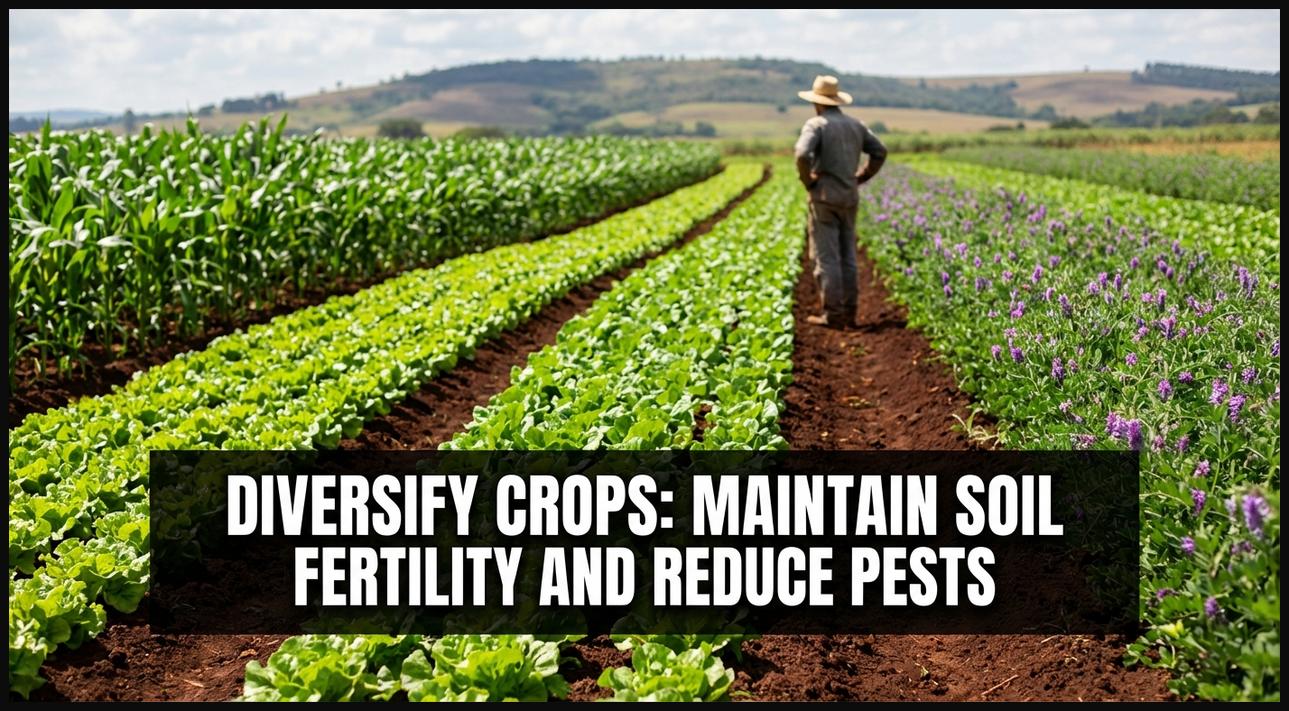
Crop rotation involves growing a series of different types of crops in the same area across a sequence of growing seasons. This practice helps to maintain soil fertility, reduce the build-up of pests and diseases, and improve overall soil structure. By varying crops, farmers can disrupt pest cycles and replenish essential nutrients, making it a cornerstone of sustainable farming.
Implementing effective crop rotation also minimizes the need for synthetic fertilizers and pesticides. Different crops have varying nutrient requirements and contribute diverse organic matter to the soil, supporting a healthier microbial community. This leads to more robust yields and reduced environmental impact for farms in 2026.
| Benefit | Description |
|---|---|
| Soil Health | Improves fertility and structure. |
| Pest Control | Breaks pest and disease cycles. |
| Nutrient Cycling | Balances soil nutrients naturally. |
2. Cover Cropping
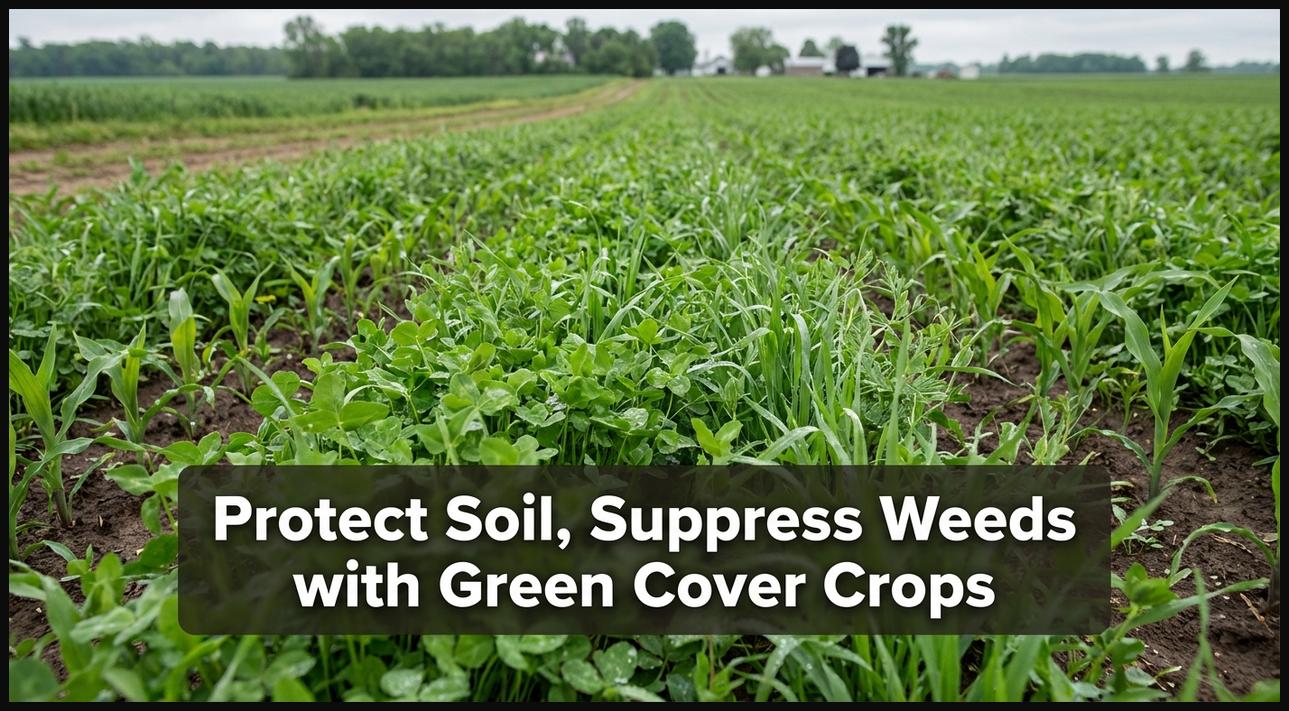
Cover crops are plants grown primarily to cover the soil rather than for harvest. They offer numerous benefits, including preventing soil erosion, suppressing weeds, improving soil structure, and adding organic matter. Common cover crops include legumes, grasses, and clovers, which are vital for enhancing the long-term health of agricultural land.
By keeping the soil covered, especially during off-seasons, cover crops reduce nutrient runoff and retain moisture. They also contribute to carbon sequestration, locking atmospheric carbon into the soil. This practice is crucial for farmers aiming for a truly eco-friendly agriculture system by 2026.
| Benefit | Description |
|---|---|
| Erosion Prevention | Protects topsoil from wind and water. |
| Weed Suppression | Outcompetes unwanted plants. |
| Soil Improvement | Adds organic matter and nutrients. |
3. No-Till Farming
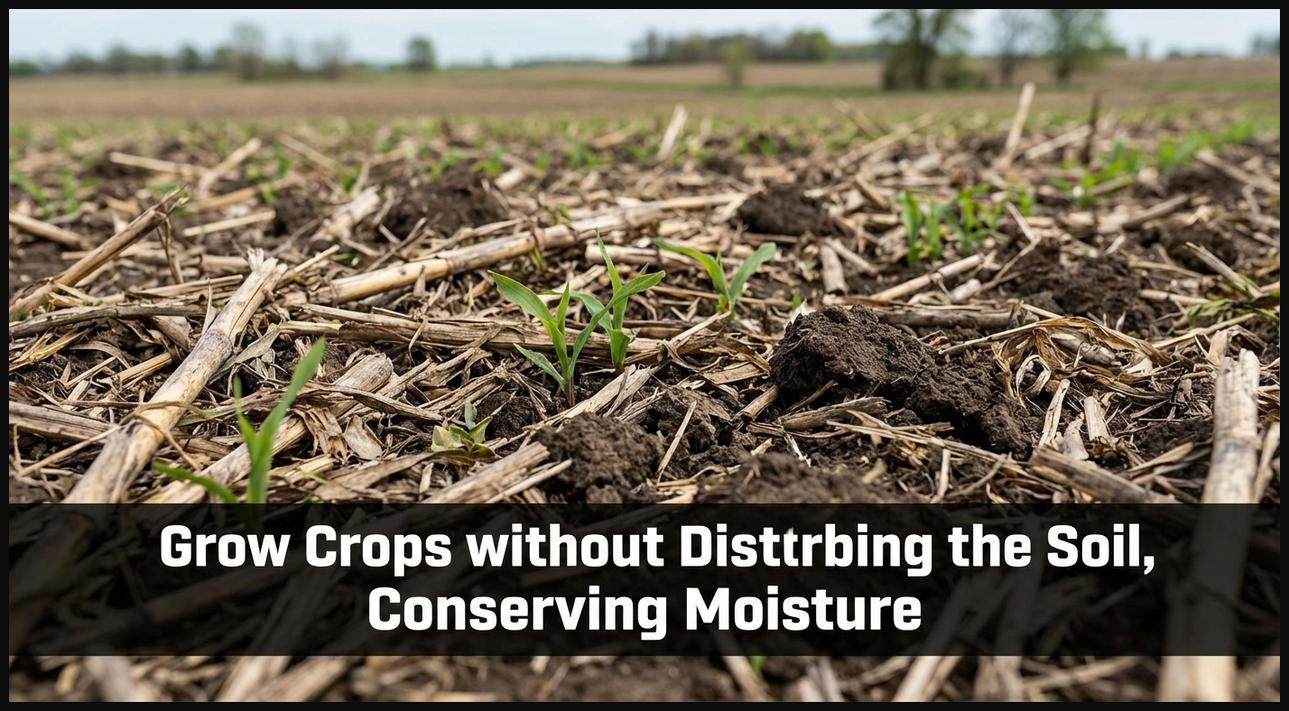
No-till farming, also known as zero tillage, is an agricultural technique that involves growing crops without disturbing the soil through tillage. This method significantly reduces soil erosion, conserves soil moisture, and enhances soil organic matter content. It’s a key practice for promoting soil biology and structure.
By leaving crop residues on the surface, no-till farming creates a protective layer that regulates soil temperature and provides habitat for beneficial organisms. This approach minimizes fuel consumption and labor, offering both ecological and economic advantages for modern agriculture, especially looking towards 2026.
| Benefit | Description |
|---|---|
| Soil Conservation | Minimizes erosion and compaction. |
| Moisture Retention | Keeps soil moist for longer. |
| Carbon Sequestration | Stores carbon in the soil. |
4. Composting
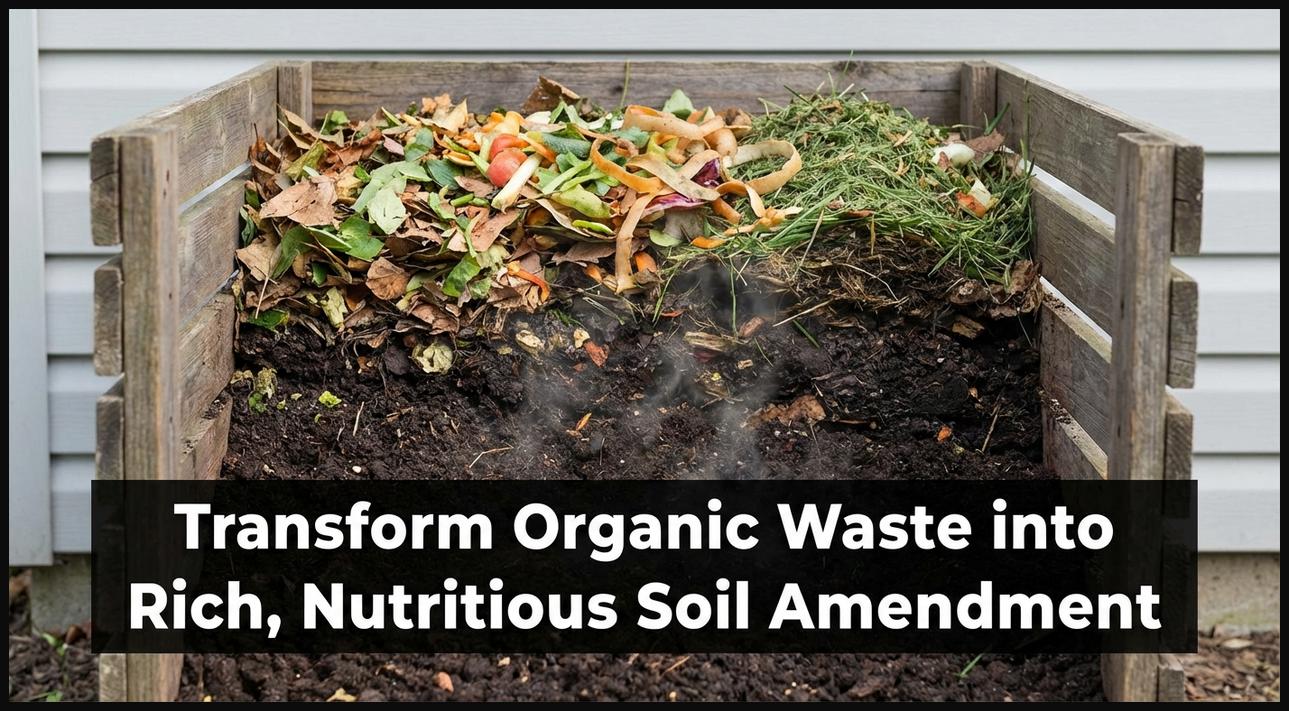
Composting is the natural process of recycling organic matter, such as leaves and food scraps, into a rich soil amendment known as compost. This dark, crumbly material is packed with nutrients and beneficial microbes, making it an excellent alternative to synthetic fertilizers.
Applying compost significantly improves soil structure, water retention, and nutrient availability, fostering healthier plant growth. It also helps divert waste from landfills, reducing methane emissions and supporting a circular economy. Integrating composting is a fundamental step in achieving truly sustainable agriculture by 2026.
| Benefit | Description |
|---|---|
| Nutrient-Rich | Provides essential plant nutrients. |
| Waste Reduction | Diverts organic waste from landfills. |
| Soil Enhancement | Improves soil structure and water retention. |
5. Green Manure
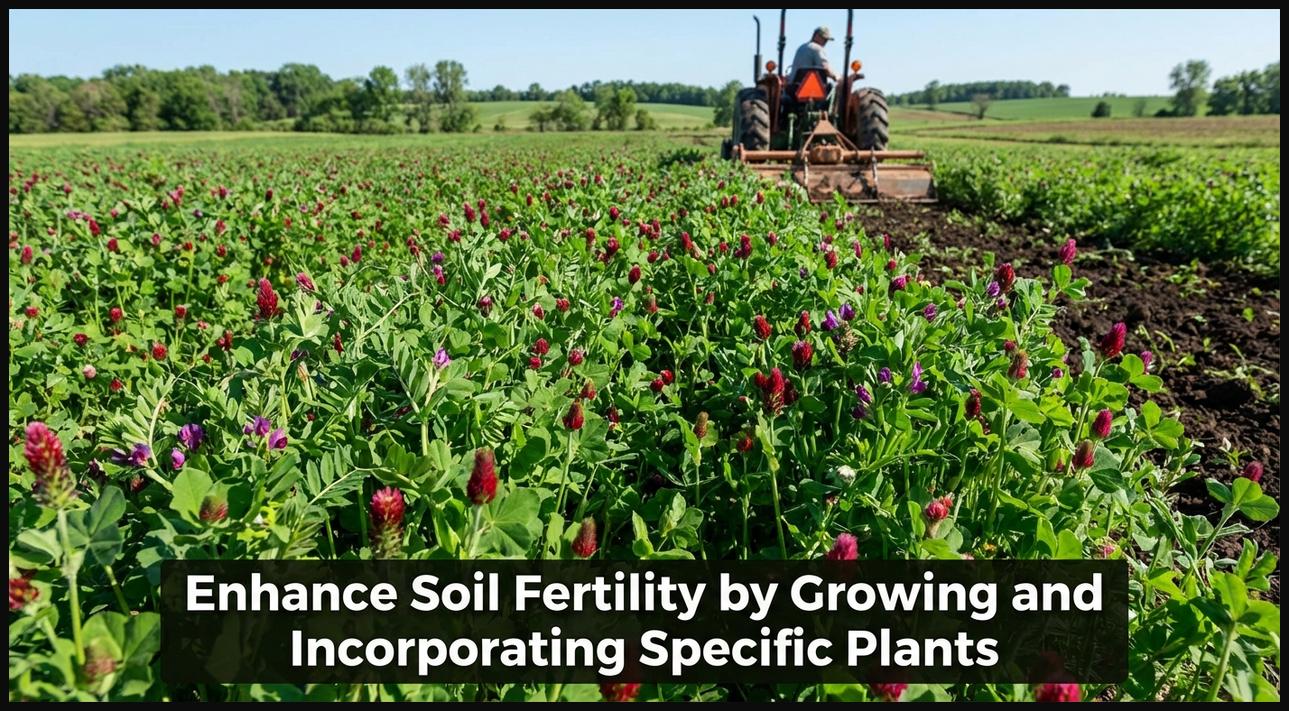
Green manure involves growing specific plants primarily to be incorporated back into the soil while still green, enhancing its fertility and structure. These plants, often legumes or cereals, are tilled into the soil, decomposing to release nutrients and add organic matter. This practice enriches the soil naturally.
The benefits extend beyond nutrient addition; green manure crops can suppress weeds, prevent erosion, and improve soil aggregation. They are a powerful tool for farmers looking to reduce reliance on external inputs and build healthier, more resilient soil systems for crop farming practices in 2026.
| Benefit | Description |
|---|---|
| Soil Fertility | Adds organic matter and nitrogen. |
| Weed Control | Suppresses unwanted plant growth. |
| Erosion Protection | Covers and stabilizes the soil. |
6. Polyculture/Intercropping
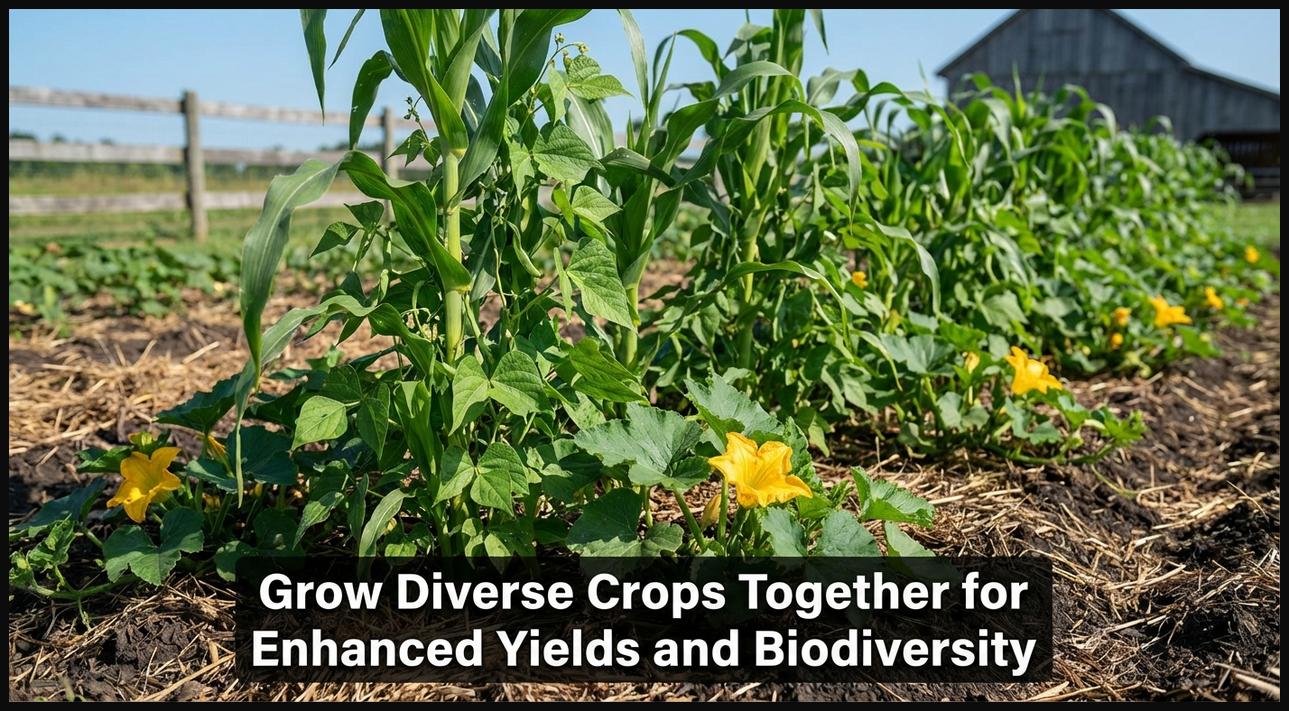
Polyculture, specifically intercropping, involves growing two or more crops simultaneously in the same field. This practice maximizes land use efficiency, enhances biodiversity, and often leads to higher overall yields compared to monoculture. Different crops can support each other, for example, by providing shade or deterring pests.
By diversifying plant species, intercropping can improve nutrient cycling and reduce pest pressure naturally. It also creates a more stable ecosystem within the farm. This method is an excellent way to boost the resilience and productivity of eco-friendly agricultural methods as we approach 2026.
| Benefit | Description |
|---|---|
| Biodiversity | Increases plant and insect diversity. |
| Yield Optimization | Maximizes output from land area. |
| Pest Deterrence | Reduces pest impact naturally. |
7. Agroforestry
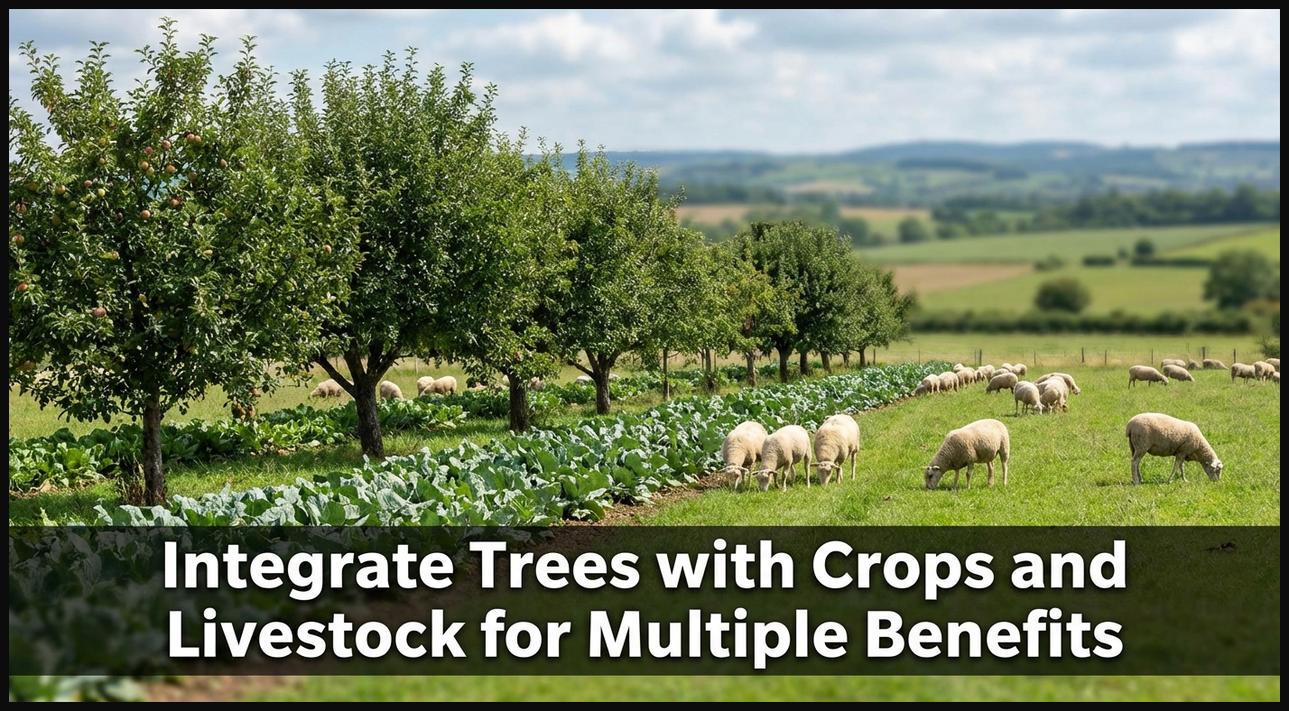
Agroforestry integrates trees and shrubs with crops or livestock systems. This multi-functional approach offers environmental, economic, and social benefits, including improved biodiversity, soil conservation, and carbon sequestration. Trees provide shade, reduce wind erosion, and can yield additional products like fruits or timber.
By combining woody perennials with agriculture, agroforestry creates more resilient and productive landscapes. It enhances water retention, provides habitat for wildlife, and can diversify farm income. This practice is a crucial component of long-term sustainable farming strategies for 2026 and beyond.
| Benefit | Description |
|---|---|
| Ecosystem Services | Enhances biodiversity, water quality. |
| Carbon Sequestration | Trees absorb atmospheric carbon. |
| Diversified Income | Adds value through tree products. |
8. Integrated Pest Management (IPM)
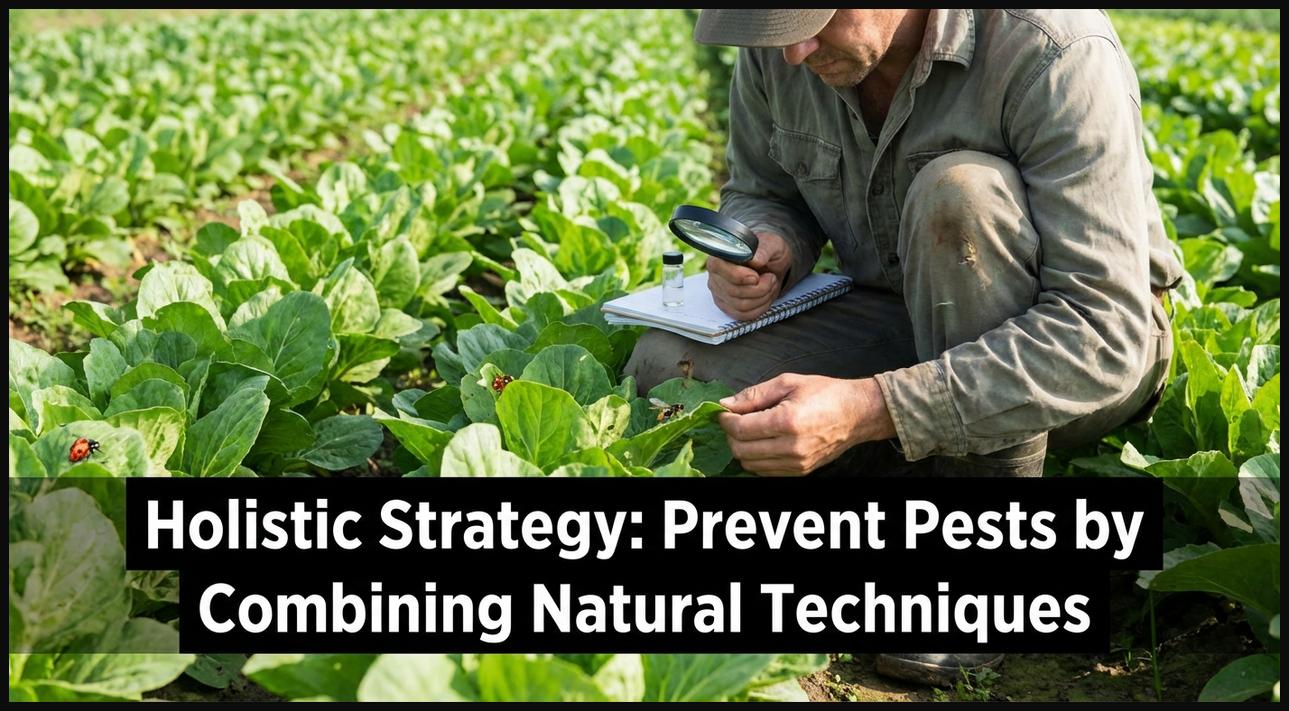
Integrated Pest Management (IPM) is an ecosystem-based strategy that focuses on long-term prevention of pests through a combination of techniques. These include biological control, habitat manipulation, modification of cultural practices, and the use of resistant varieties. Pesticides are used only when necessary and in a manner that minimizes risks to human health and the environment.
IPM emphasizes a holistic approach, starting with pest monitoring and identification to make informed decisions. This method significantly reduces reliance on chemical pesticides, protecting beneficial insects and promoting ecological balance on the farm. It is a smart and sustainable way to manage pests efficiently in 2026 crop farming practices.
| Benefit | Description |
|---|---|
| Reduced Chemicals | Minimizes pesticide use. |
| Ecological Balance | Protects beneficial insects. |
| Long-Term Control | Prevents pest outbreaks effectively. |
9. Water Harvesting
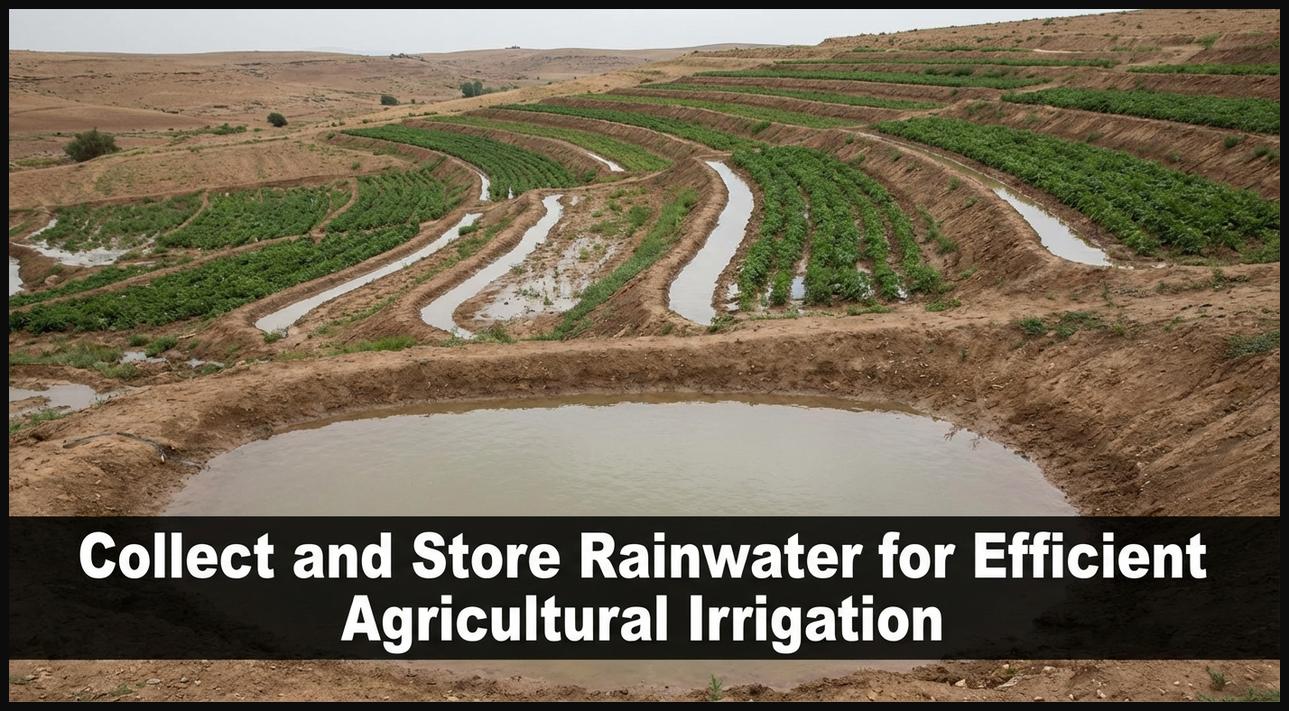
Water harvesting involves collecting and storing rainwater or runoff for later use, primarily for irrigation. This traditional yet highly effective practice helps conserve precious water resources, especially in regions prone to drought. Systems can range from simple rain barrels to complex ponds and trenches.
By capturing and utilizing available water, farmers reduce their reliance on groundwater or municipal supplies, lowering costs and environmental impact. Water harvesting is essential for building resilient farm systems that can adapt to changing climate patterns, ensuring sustainable crop production for 2026 and the future.
| Benefit | Description | |
|---|---|---|
| Water Conservation | Reduces reliance on external sources. | |
| Drought Resilience | Provides water during dry periods. | |
| Cost Savings | Lowers irrigation expenses. |
10. Drip Irrigation
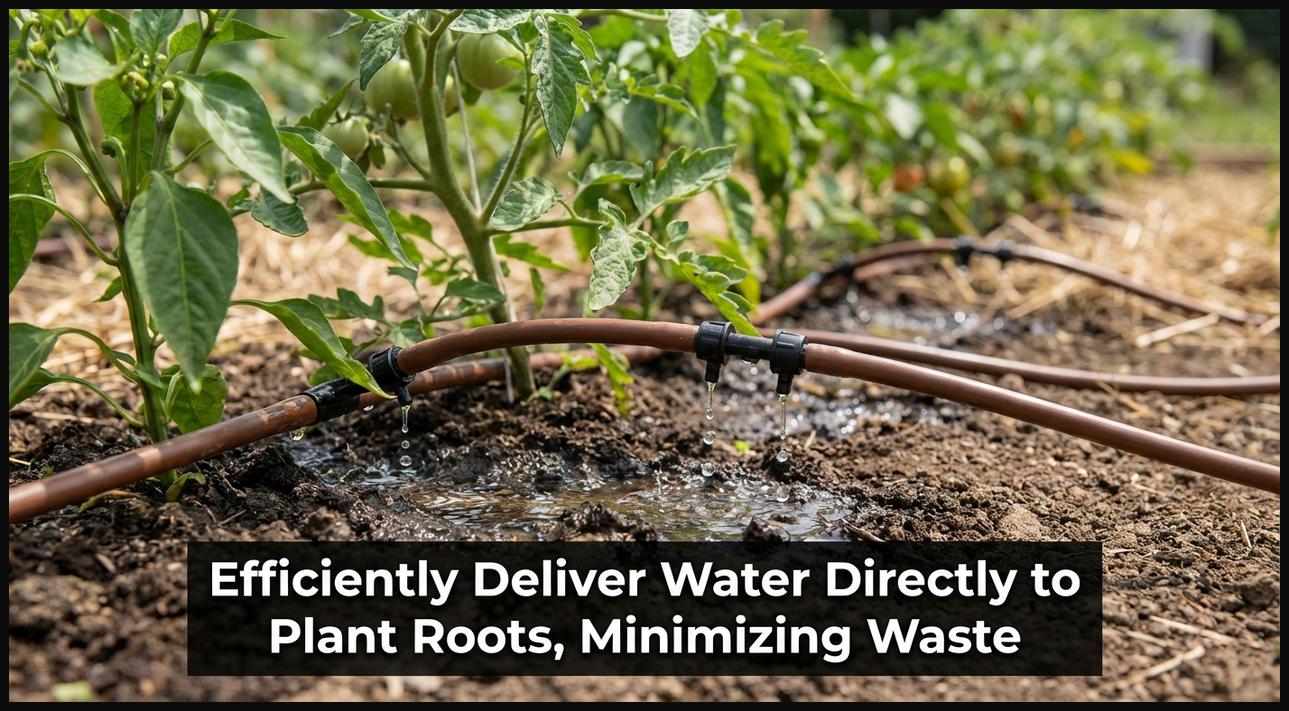
Drip irrigation is a precise watering method that delivers water directly to the root zone of plants, drop by drop. This minimizes water loss due to evaporation and runoff, making it significantly more efficient than traditional sprinkler or flood irrigation. It’s a cornerstone of water-wise eco-friendly agriculture.
By providing water exactly where it’s needed, drip irrigation also reduces weed growth between rows and can deliver nutrients directly to plants through fertigation. This technology is vital for sustainable water management in agriculture, enhancing productivity while conserving a critical resource for 2026.
| Benefit | Description |
|---|---|
| Water Efficiency | Minimizes waste by direct delivery. |
| Reduced Weeds | Limits water availability for weeds. |
| Nutrient Delivery | Allows for precise fertigation. |
11. Precision Agriculture
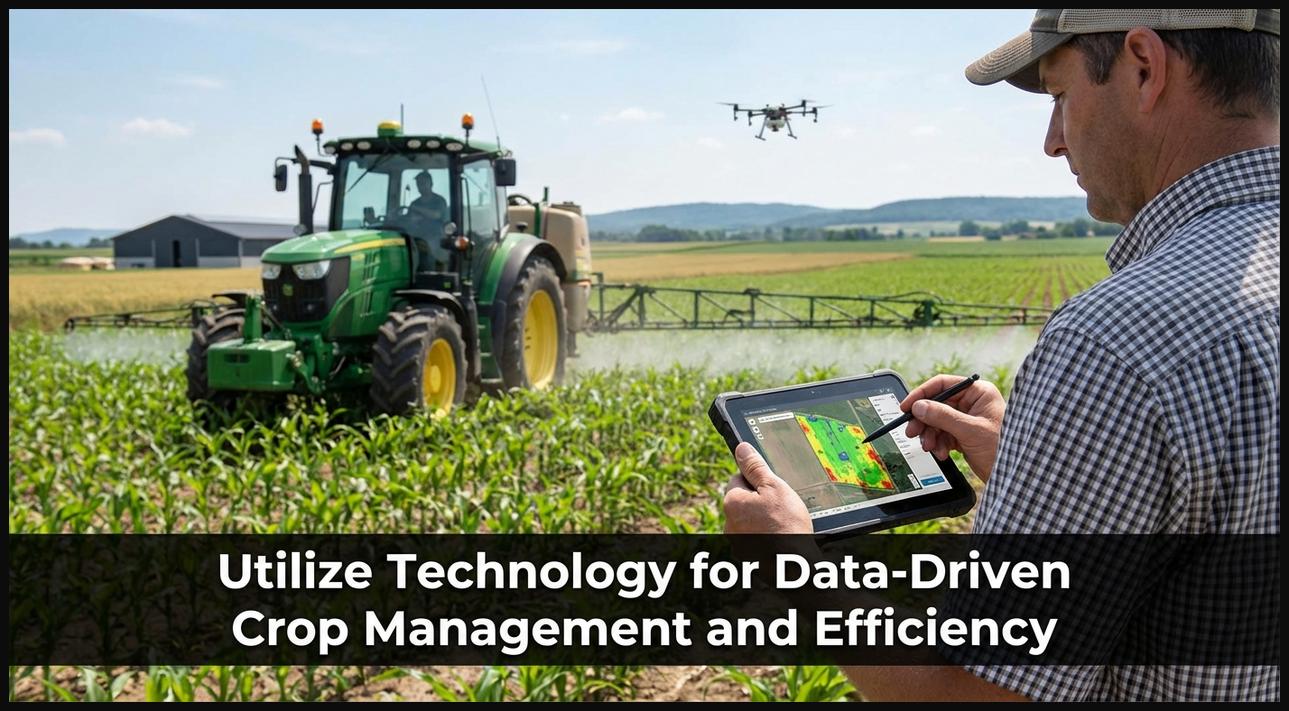
Precision agriculture uses technology to manage crops based on observations of variability within a field. This includes GPS, sensors, remote sensing, and GIS tools to gather data on soil conditions, crop health, and yield. This data enables farmers to apply inputs like water, fertilizer, and pesticides more accurately and efficiently.
By optimizing resource use, precision agriculture reduces waste, lowers costs, and minimizes environmental impact. It allows for tailored management strategies that respond to the specific needs of different parts of a field, representing a leap forward in sustainable farming methods for 2026.
| Benefit | Description |
|---|---|
| Resource Optimization | Uses inputs more efficiently. |
| Environmental Impact | Reduces waste and pollution. |
| Increased Yields | Tailored management boosts productivity. |
12. Organic Fertilizers
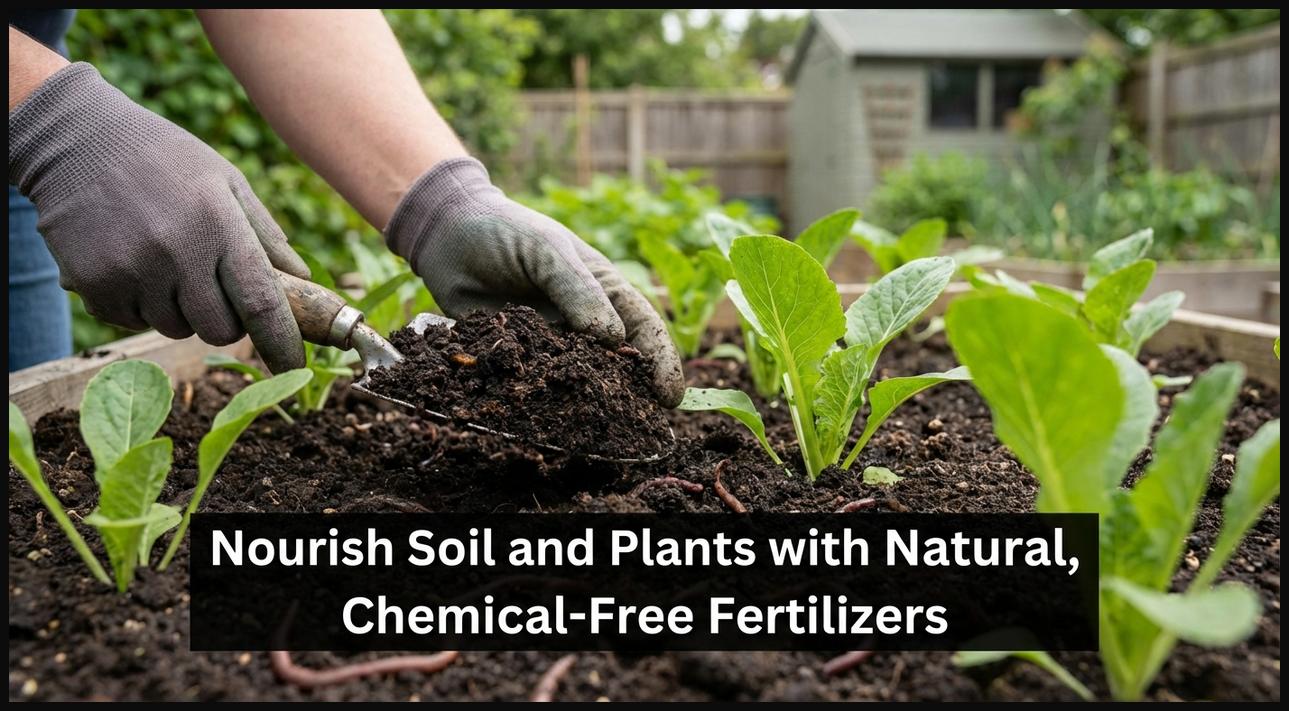
Organic fertilizers are derived from natural sources, such as compost, manure, bone meal, and plant residues. Unlike synthetic fertilizers, they release nutrients slowly, improving soil structure and supporting a thriving microbial ecosystem. They nourish the soil as well as the plants.
The use of organic fertilizers reduces the risk of chemical runoff and water pollution, which is a common issue with synthetic alternatives. By enhancing soil health naturally, these fertilizers contribute to more resilient and productive farm systems, aligning perfectly with eco-friendly agriculture goals for 2026.
| Benefit | Description |
|---|---|
| Soil Health | Improves soil structure and biology. |
| Nutrient Release | Provides slow, steady nutrient supply. |
| Reduced Pollution | Minimizes chemical runoff. |
13. Biological Pest Control
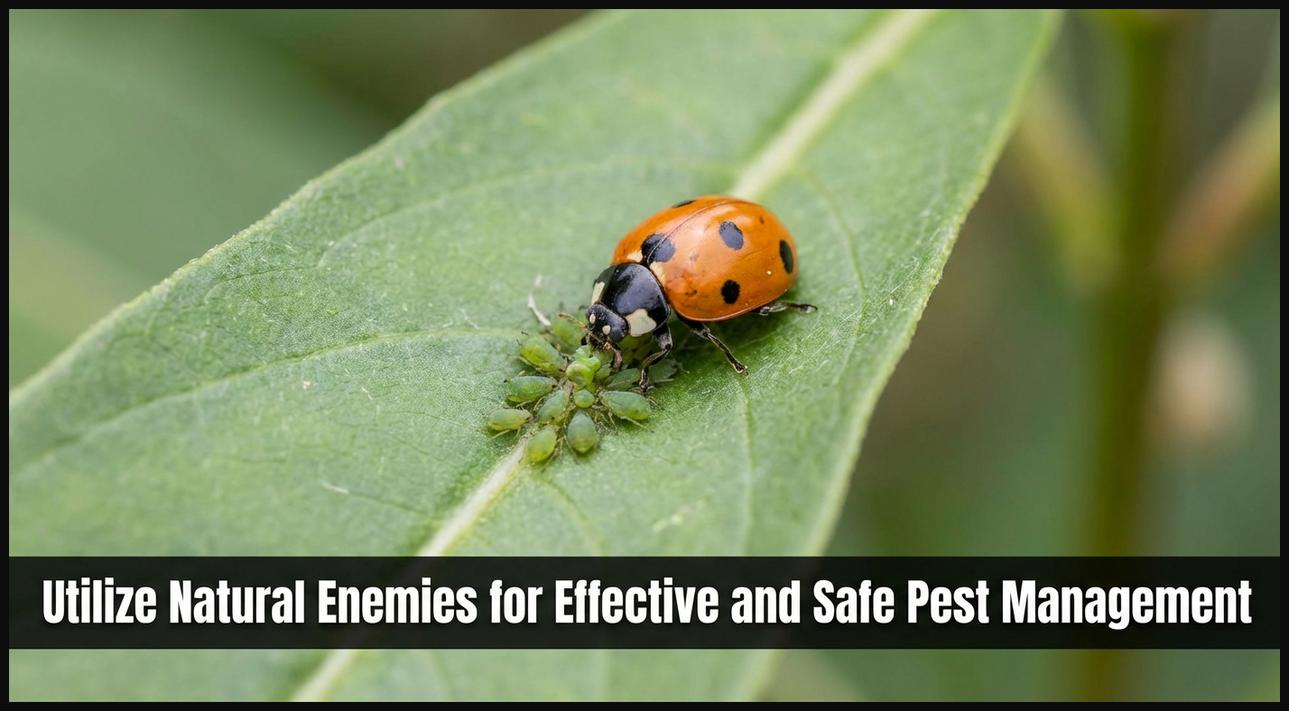
Biological pest control involves using natural enemies, such as predators, parasitoids, or pathogens, to manage pest populations. Instead of relying on chemical pesticides, this method leverages nature’s own defense mechanisms to keep pests in check. Examples include releasing ladybugs to control aphids or introducing specific bacteria to target insect larvae.
This approach minimizes harm to beneficial insects, wildlife, and humans, while reducing environmental contamination. It’s a cornerstone of Integrated Pest Management and contributes significantly to truly sustainable farming practices. Farmers in 2026 are increasingly adopting these natural solutions for effective pest management.
| Benefit | Description |
|---|---|
| Non-Toxic | Avoids harmful chemical use. |
| Targeted | Specifically targets pest species. |
| Ecological Balance | Protects natural food webs. |
14. Soil Testing
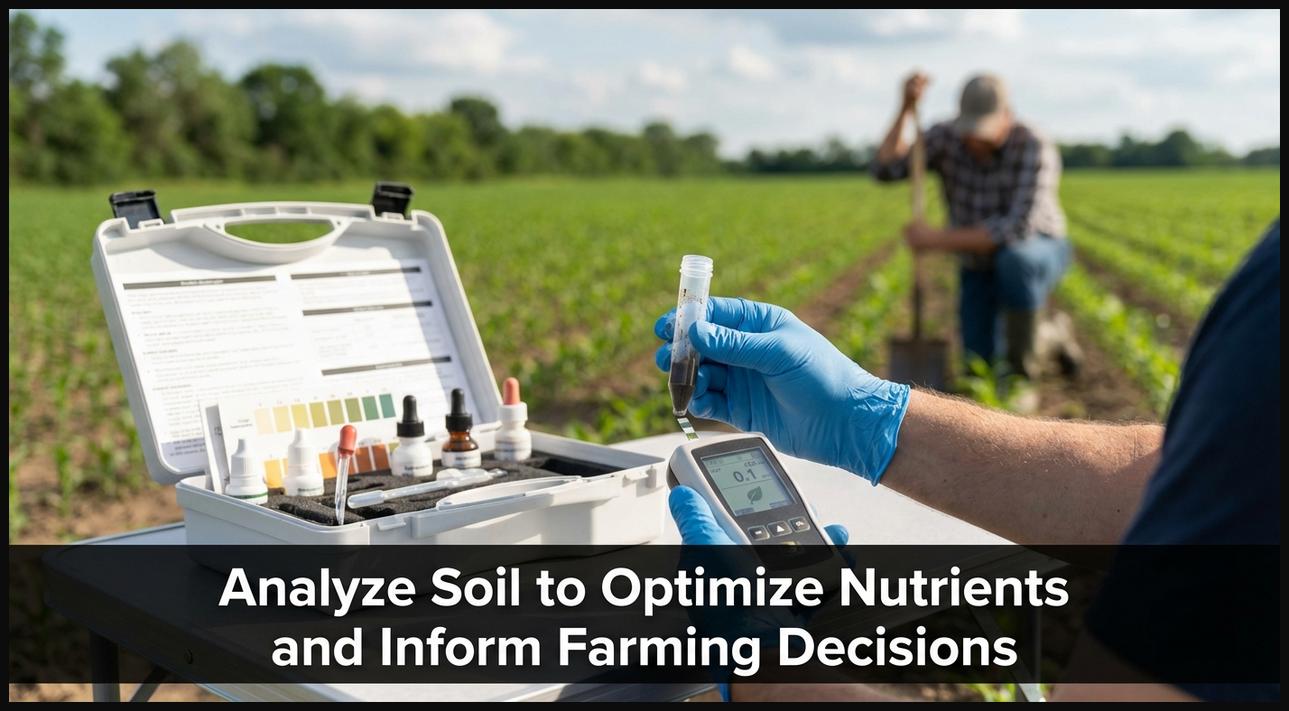
Soil testing involves analyzing soil samples to determine their nutrient content, pH level, and organic matter percentage. This crucial diagnostic tool provides farmers with valuable information to tailor their fertilization and amendment strategies. Knowing what the soil lacks or has in excess prevents over-application of inputs.
By optimizing nutrient management based on precise data, soil testing reduces waste, saves costs, and prevents nutrient runoff into waterways. It’s an indispensable practice for informed decision-making in eco-friendly agricultural methods, ensuring healthier soils and crops for 2026.
| Benefit | Description |
|---|---|
| Informed Decisions | Guides fertilization strategies. |
| Resource Efficiency | Prevents over-application of nutrients. |
| Environmental Protection | Reduces nutrient runoff pollution. |
15. Conservation Tillage
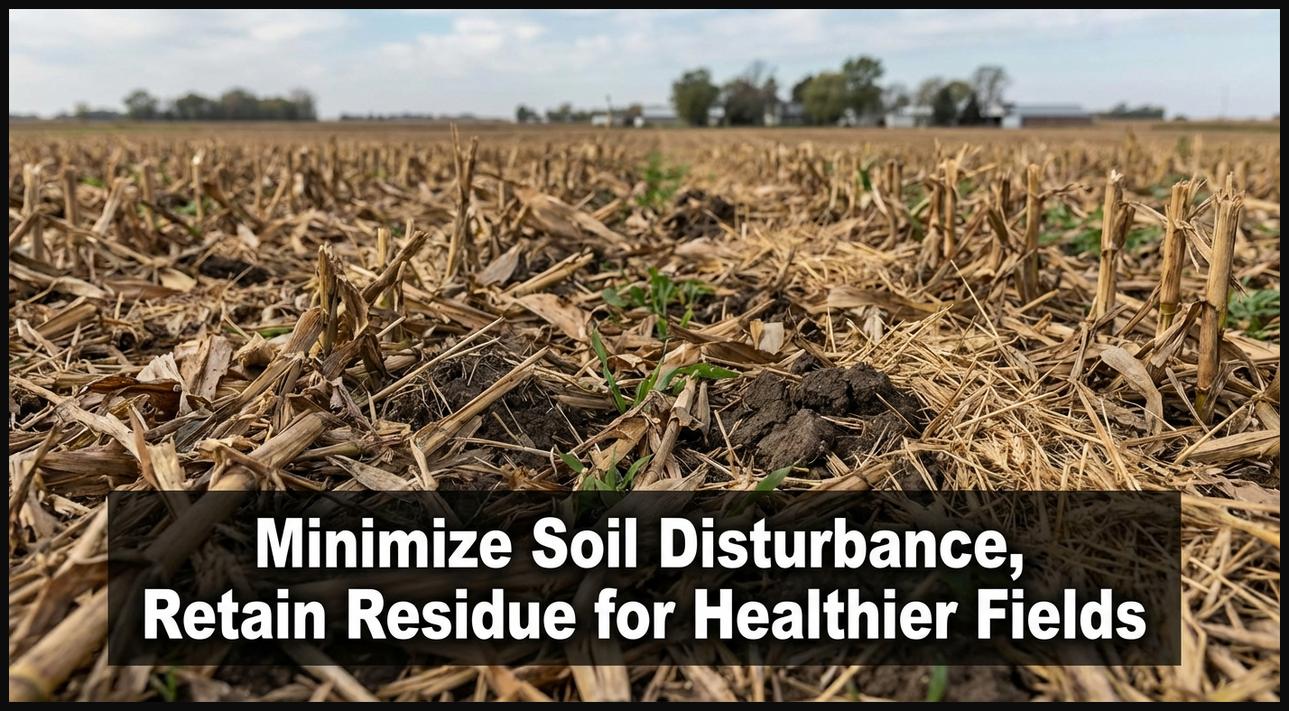
Conservation tillage encompasses various practices that leave at least 30% of crop residue on the soil surface after planting. This protective layer helps to reduce soil erosion, retain moisture, and improve soil organic matter. It’s a less intensive form of soil disturbance compared to conventional tillage.
By minimizing soil disruption, conservation tillage supports beneficial soil organisms and contributes to a healthier soil ecosystem. It also lowers fuel consumption and labor requirements, making it an economically viable and environmentally sound practice for sustainable crop farming practices in 2026.
| Benefit | Description |
|---|---|
| Erosion Control | Protects soil from wind and water. |
| Moisture Retention | Helps soil hold water longer. |
| Fuel Savings | Reduces machinery passes. |
16. Windbreaks
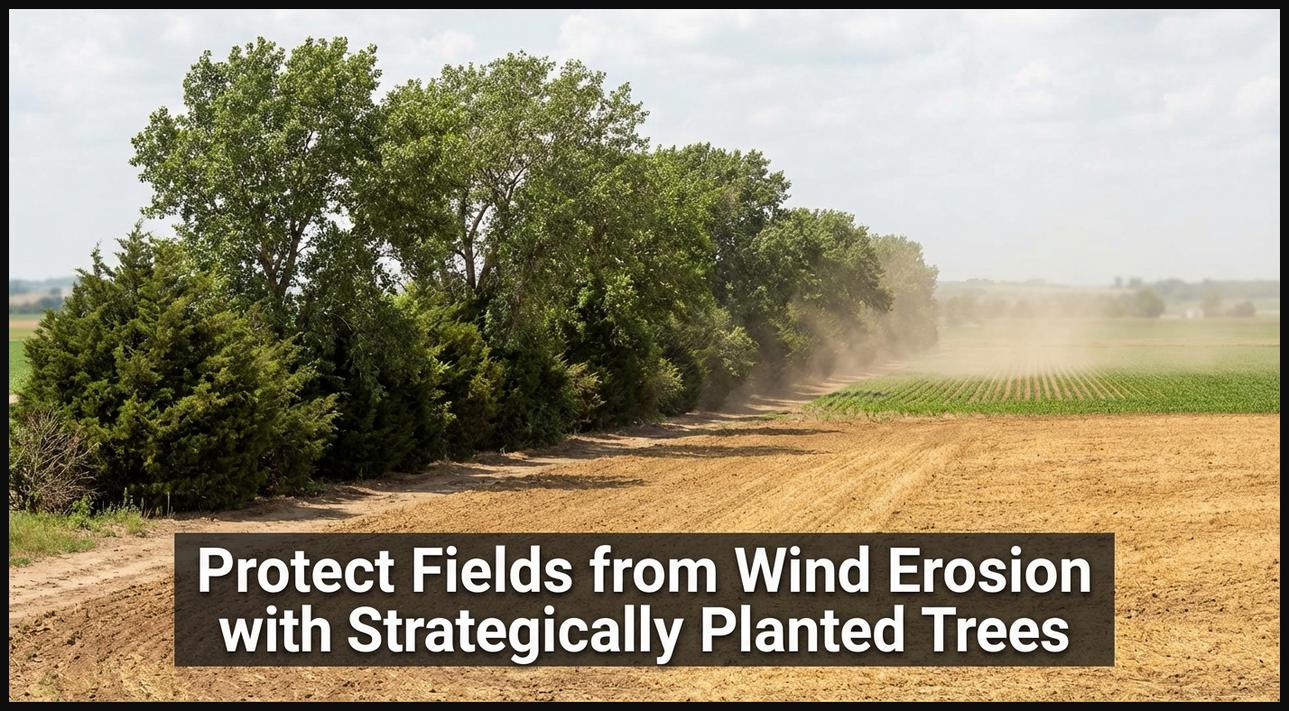
Windbreaks are rows of trees or shrubs planted to protect fields from wind erosion, reduce moisture loss, and provide shelter for crops and livestock. They can also create microclimates that benefit plant growth and provide habitat for beneficial wildlife, including pollinators and pest predators.
By slowing down wind speeds, windbreaks prevent valuable topsoil from being blown away and reduce damage to young plants. This practice contributes to overall farm resilience and biodiversity, making it an important element of sustainable farming strategies, particularly in vulnerable regions in 2026.
| Benefit | Description |
|---|---|
| Erosion Protection | Prevents soil from blowing away. |
| Crop Protection | Shields plants from strong winds. |
| Biodiversity | Creates habitat for wildlife. |
17. Riparian Buffers
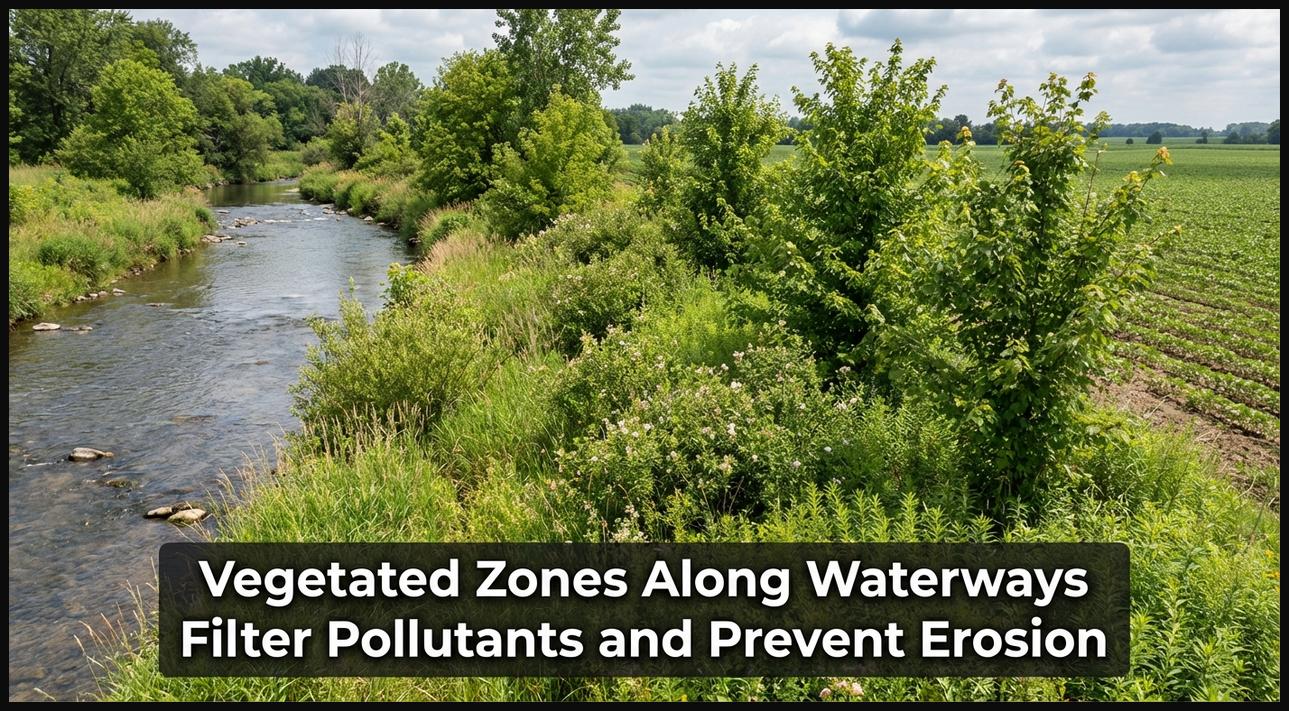
Riparian buffers are vegetated areas along the banks of rivers, streams, and other waterways. These zones, typically composed of native grasses, shrubs, and trees, act as natural filters, trapping sediment and pollutants before they enter aquatic ecosystems. They are crucial for protecting water quality.
Beyond filtration, riparian buffers stabilize streambanks, prevent erosion, and provide essential habitat for aquatic and terrestrial wildlife. They are an integral part of eco-friendly agriculture, mitigating the environmental impact of farming and enhancing ecosystem health for 2026 and beyond.
| Benefit | Description |
|---|---|
| Water Quality | Filters pollutants from runoff. |
| Erosion Control | Stabilizes river and stream banks. |
| Wildlife Habitat | Provides corridors for biodiversity. |
18. Biodiversity Enhancement
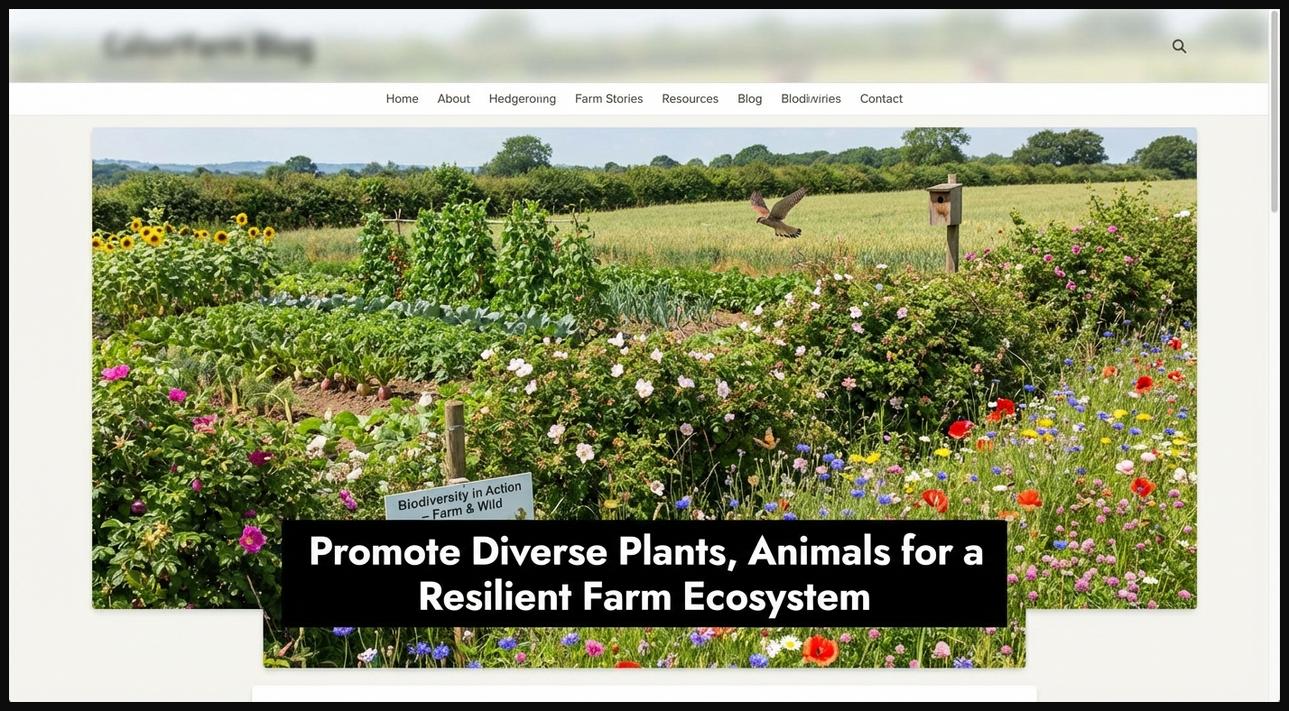
Biodiversity enhancement in farming involves promoting a wide variety of plants, animals, and microorganisms on agricultural land. This can include maintaining diverse crop varieties, creating habitats for beneficial insects and wildlife, and fostering healthy soil microbial communities. A diverse ecosystem is a resilient one.
Increased biodiversity leads to more stable and productive farm systems, as it improves natural pest control, pollination, and nutrient cycling. It reduces reliance on external inputs and contributes to the overall health of the environment, making it a core principle of sustainable farming methods as we advance into 2026.
| Benefit | Description |
|---|---|
| Ecosystem Resilience | Improves farm’s ability to adapt. |
| Natural Pest Control | Supports beneficial predators. |
| Pollination Services | Attracts and supports pollinators. |
19. Heirloom Seed Use
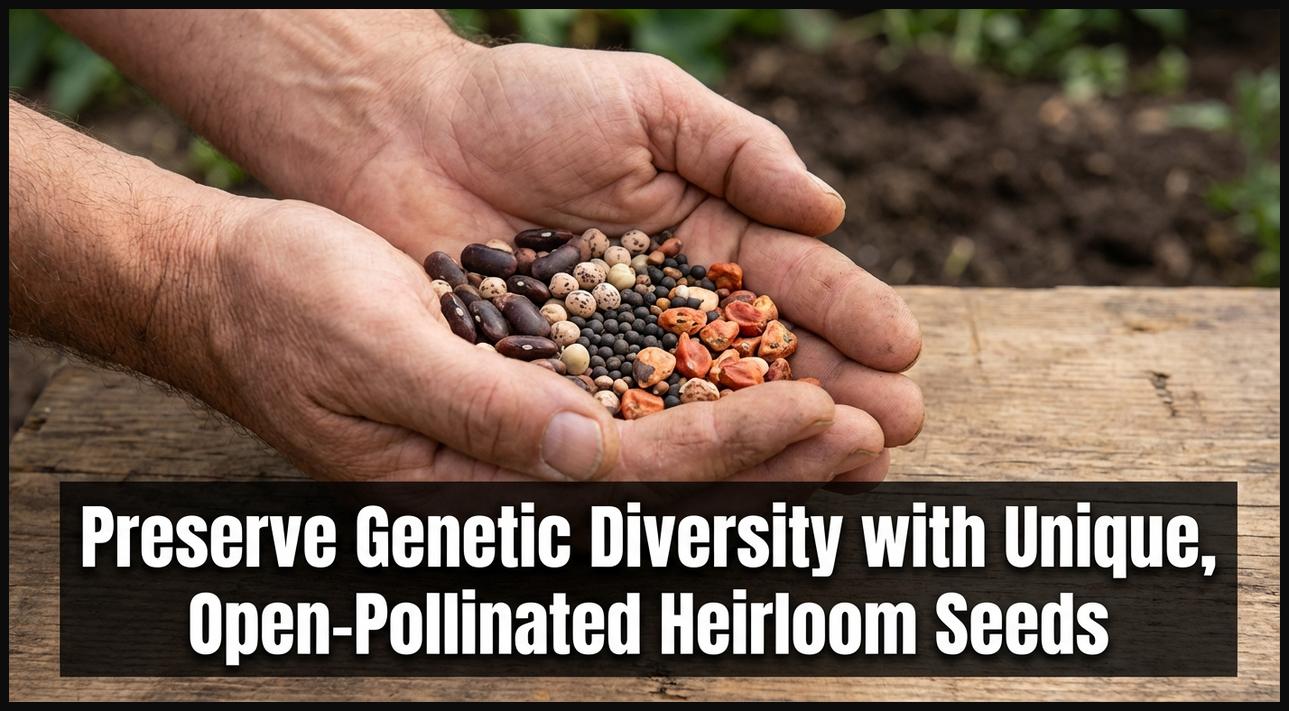
Heirloom seeds come from plants that have been passed down through generations, often for 50 years or more. These open-pollinated varieties are valued for their genetic diversity, unique flavors, adaptability to local conditions, and cultural heritage. They offer an alternative to modern hybrid seeds.
By using heirloom seeds, farmers contribute to preserving genetic diversity in crops, which is crucial for future food security and adaptation to climate change. This practice supports local seed saving initiatives and helps maintain specific traits that might be lost in commercial varieties, a key aspect of sustainable crop farming practices for 2026.
| Benefit | Description |
|---|---|
| Genetic Diversity | Preserves unique plant traits. |
| Adaptability | Often suited to local climates. |
| Flavor | Known for superior taste and quality. |
20. Regenerative Agriculture
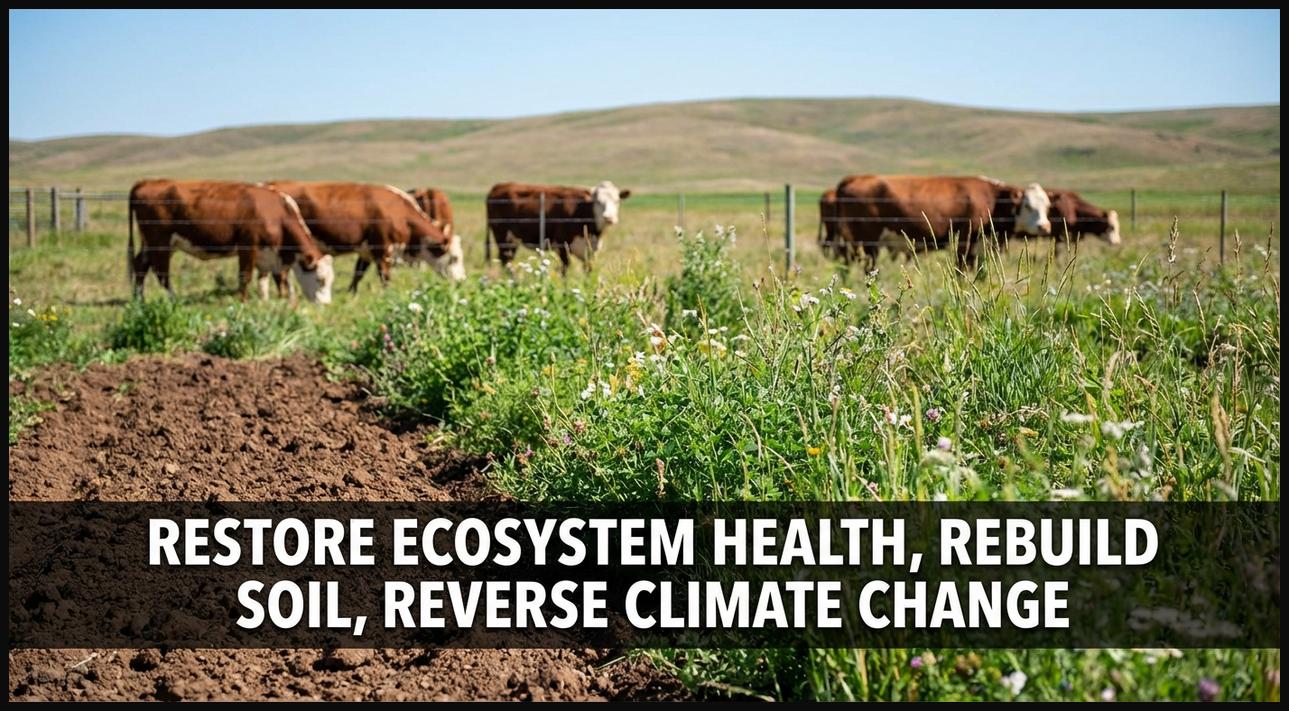
Regenerative agriculture is a holistic farming approach that focuses on restoring and enhancing ecosystem health, particularly soil health. It encompasses practices like no-till, cover cropping, crop rotation, and holistic grazing, all aimed at rebuilding soil organic matter and biodiversity. It aims to reverse climate change by rebuilding soil organic matter and restoring degraded soil biodiversity.
This approach goes beyond sustainability by actively improving the land’s capacity to produce food while drawing down carbon from the atmosphere. It builds stronger, more resilient farm systems that thrive in harmony with nature, making it a leading concept in eco-friendly agricultural methods for 2026 and beyond.
| Benefit | Description |
|---|---|
| Soil Restoration | Rebuilds organic matter and biodiversity. |
| Climate Action | Sequester carbon in the soil. |
| Ecosystem Health | Enhances overall farm ecology. |
21. Reduced Chemical Use
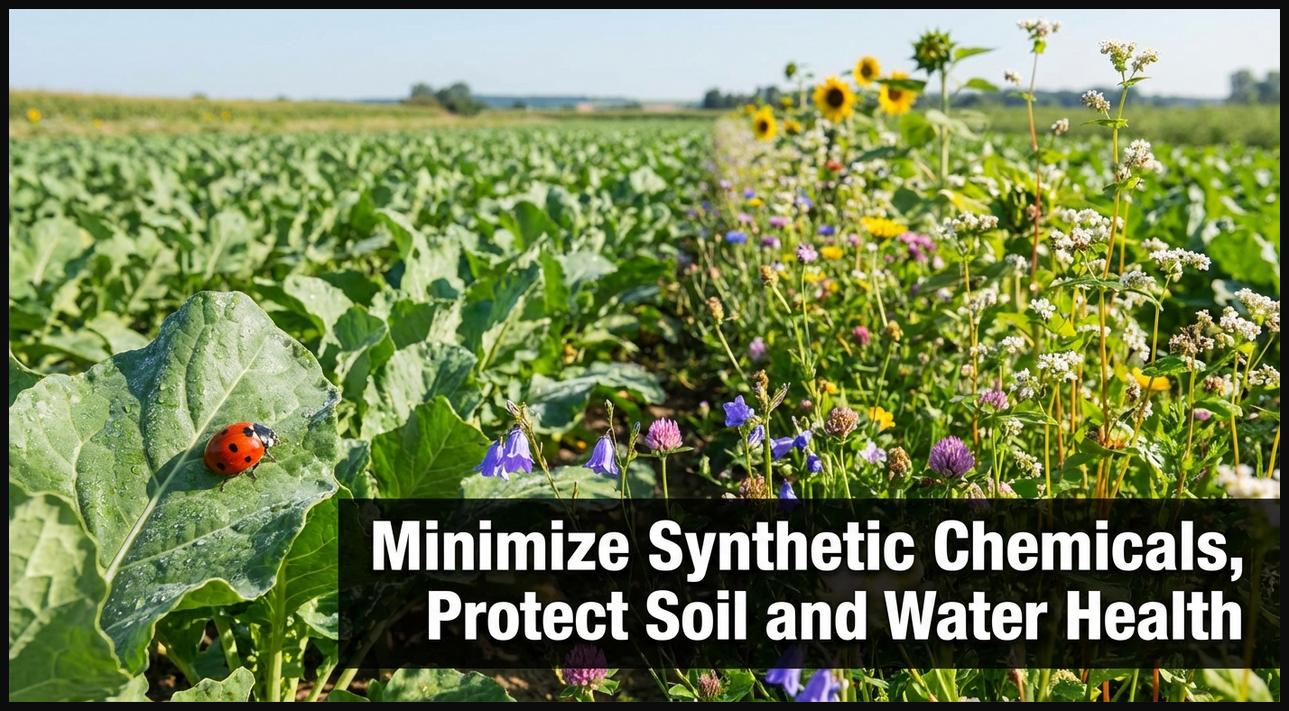
Reducing the reliance on synthetic chemicals, such as pesticides, herbicides, and artificial fertilizers, is a fundamental pillar of sustainable farming. This practice prioritizes natural alternatives and integrated approaches, minimizing the environmental and health risks associated with chemical inputs. It’s about working with nature, not against it.
By lowering chemical use, farmers protect soil microorganisms, beneficial insects, and water quality, fostering a healthier farm ecosystem. This approach also reduces production costs and enhances the safety of agricultural products. It’s a critical step towards truly sustainable farming practices for 2026.
| Benefit | Description |
|---|---|
| Environmental Safety | Protects soil, water, and wildlife. |
| Healthier Produce | Reduces chemical residues. |
| Cost Savings | Lowers expenses on chemical inputs. |
22. Nutrient Cycling
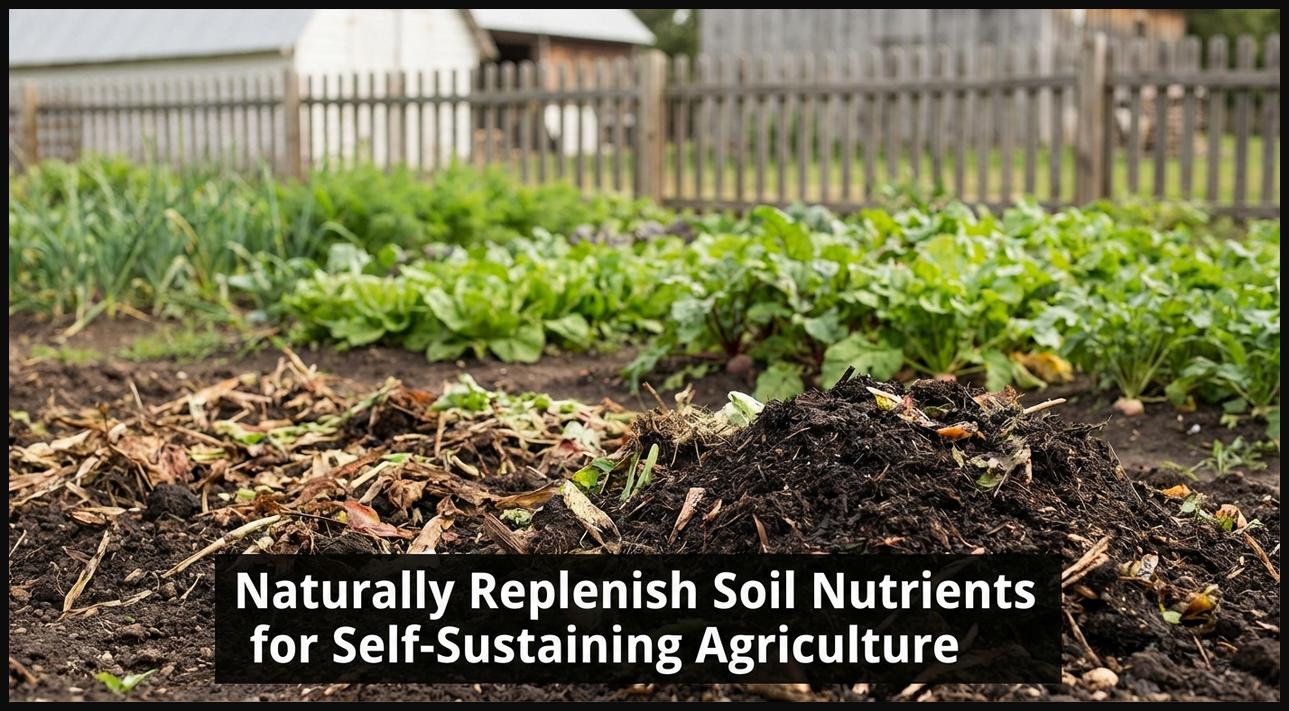
Nutrient cycling refers to the process by which nutrients are exchanged between the living and non-living parts of an ecosystem. In sustainable farming, this involves practices that naturally replenish soil nutrients, such as composting, green manure, and returning crop residues to the soil. It’s about closing the nutrient loop on the farm.
By fostering efficient nutrient cycling, farmers reduce the need for external synthetic fertilizers, preventing nutrient runoff and pollution. This creates a more self-sustaining and resilient agricultural system, aligning with the principles of eco-friendly agriculture. Optimized nutrient cycling is vital for productive farms in 2026.
| Benefit | Description |
|---|---|
| Soil Fertility | Maintains natural nutrient levels. |
| Reduced Inputs | Decreases reliance on synthetic fertilizers. |
| Environmental Protection | Prevents nutrient runoff. |
23. Holistic Grazing
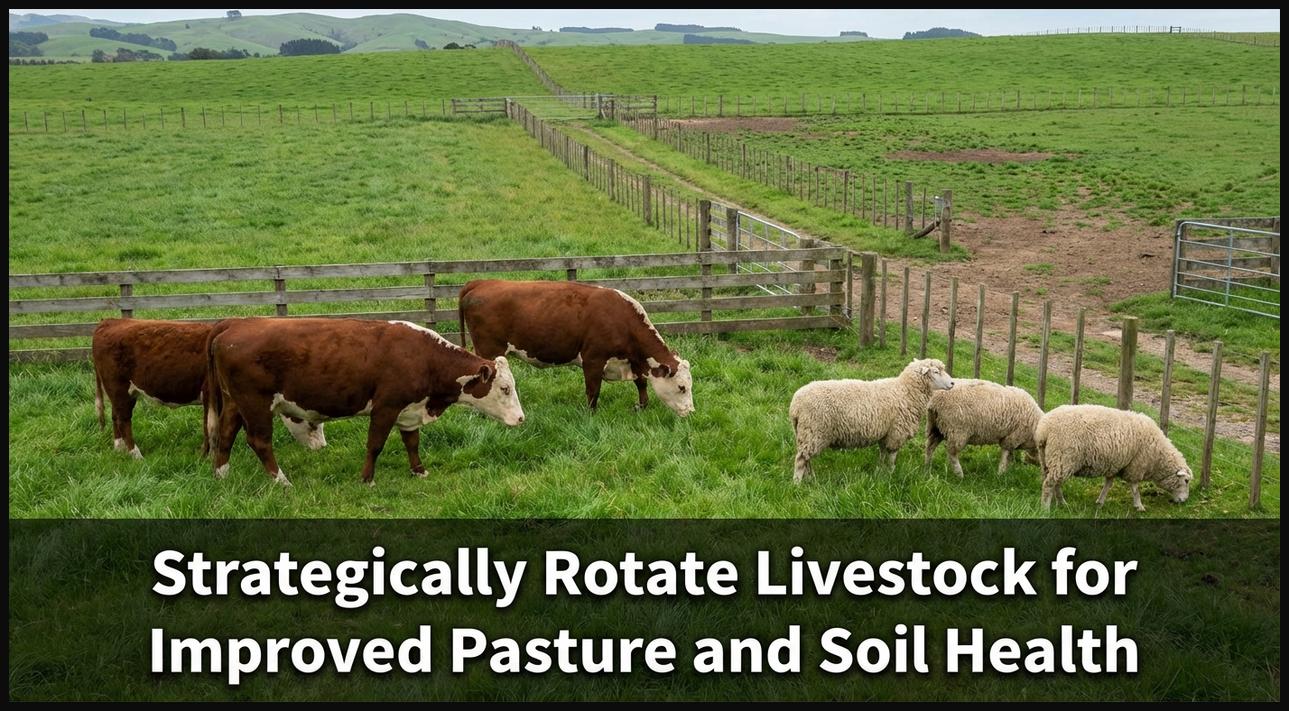
Holistic grazing, also known as Adaptive Multi-Paddock (AMP) grazing, involves strategically moving livestock to different paddocks in a rotational pattern. This allows pastures adequate time to recover, mimicking natural grazing patterns of wild herbivores. It focuses on improving soil health, plant diversity, and animal well-being.
By preventing overgrazing and promoting grass recovery, holistic grazing enhances soil organic matter, water infiltration, and carbon sequestration. This practice is integral to regenerative agriculture, improving both ecological function and livestock productivity, making it a key sustainable practice for 2026 crop farming practices that include livestock.
| Benefit | Description |
|---|---|
| Soil Health | Improves organic matter and water retention. |
| Pasture Recovery | Prevents overgrazing and encourages growth. |
| Carbon Sequestration | Enhances soil’s ability to store carbon. |
24. Vermicomposting
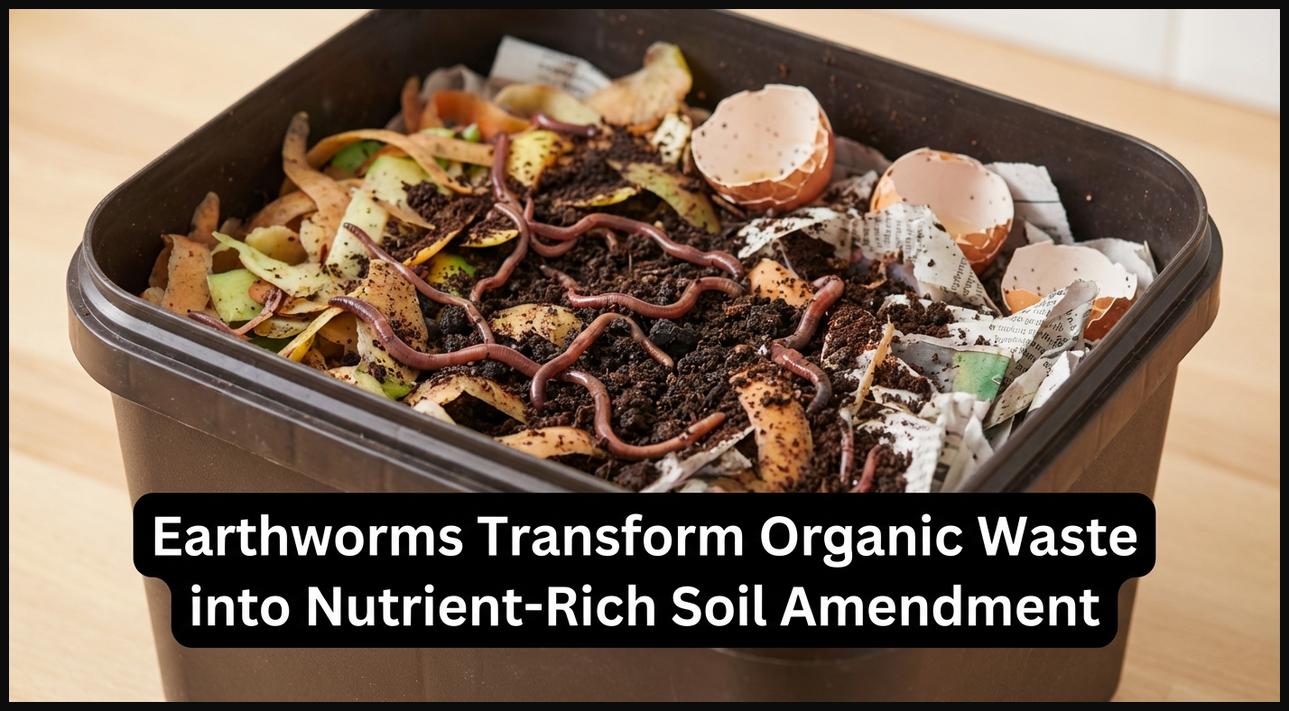
Vermicomposting is a process that uses earthworms to convert organic waste, such as food scraps and agricultural residues, into a rich, nutrient-dense soil amendment called vermicompost or worm castings. The worms break down organic matter much faster than traditional composting.
The resulting vermicompost is highly beneficial for plant growth, improving soil structure, aeration, and water retention. It’s an excellent way to manage organic waste on the farm, reduce landfill contributions, and produce a high-quality, natural fertilizer, making it a valuable tool in sustainable farming methods for 2026.
| Benefit | Description |
|---|---|
| Nutrient-Rich | Produces high-quality organic fertilizer. |
| Waste Management | Efficiently processes organic waste. |
| Soil Improvement | Enhances soil structure and biology. |
25. Biochar Application
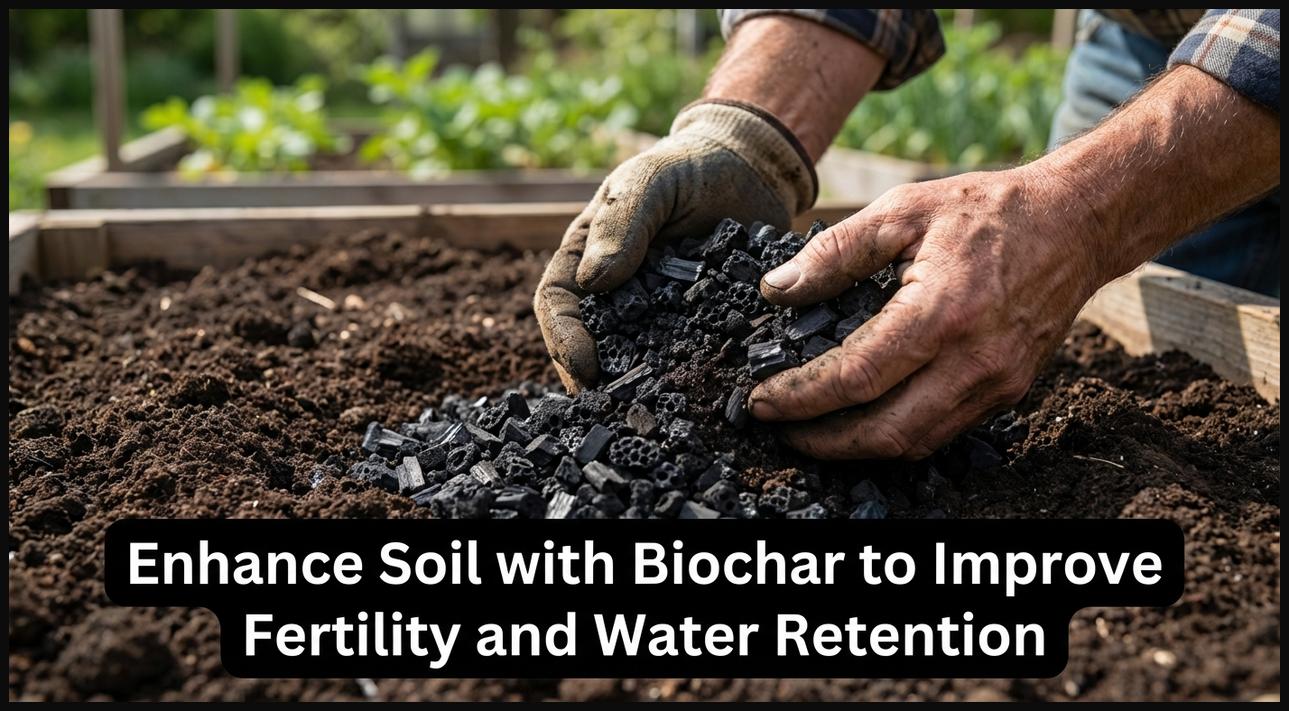
Biochar is a charcoal-like substance made by heating biomass (such as crop residues or wood) in a low-oxygen environment (pyrolysis). When added to soil, it can significantly improve soil fertility, water retention, and microbial activity. It acts as a stable carbon sink, locking carbon away for centuries.
By enhancing soil health and nutrient availability, biochar can boost crop yields and reduce the need for synthetic fertilizers. Its long-term stability makes it a promising tool for carbon sequestration and a powerful addition to eco-friendly agriculture strategies, especially as we consider innovations for 2026.
| Benefit | Description |
|---|---|
| Soil Fertility | Improves nutrient retention and availability. |
| Water Retention | Helps soil hold more water. |
| Carbon Sequestration | Locks carbon in the soil long-term. |
26. Rainwater Harvesting
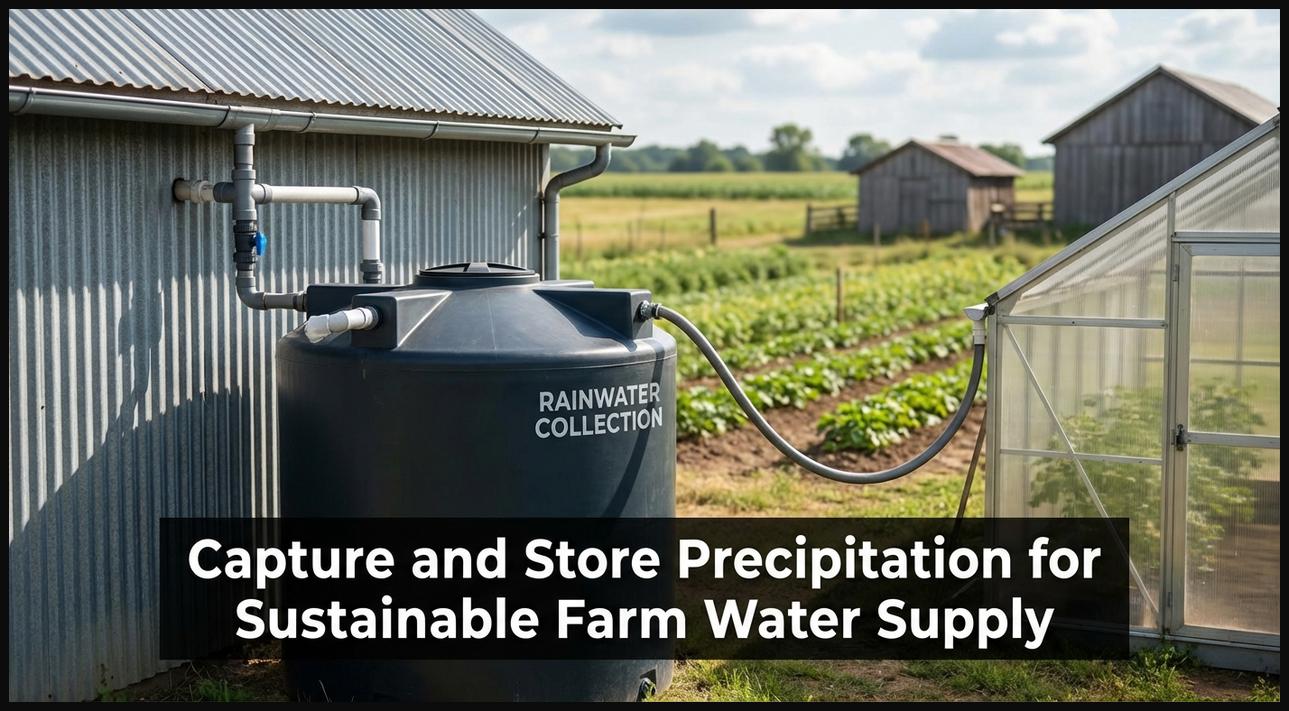
Rainwater harvesting systems collect and store precipitation for various agricultural uses, primarily irrigation. This practice helps farmers become less dependent on municipal water sources or groundwater, reducing both costs and environmental strain. Systems can range from simple catchment tanks to larger ponds.
By utilizing this free and renewable resource, farmers contribute to water conservation and enhance their resilience against droughts. It’s a fundamental part of a holistic approach to water management in sustainable farming, ensuring a consistent water supply for crops, especially crucial in unpredictable climates for 2026.
| Benefit | Description |
|---|---|
| Water Independence | Reduces reliance on external sources. |
| Cost Savings | Eliminates or lowers water bills. |
| Environmental Impact | Reduces strain on freshwater ecosystems. |
27. Drought-Resistant Crops
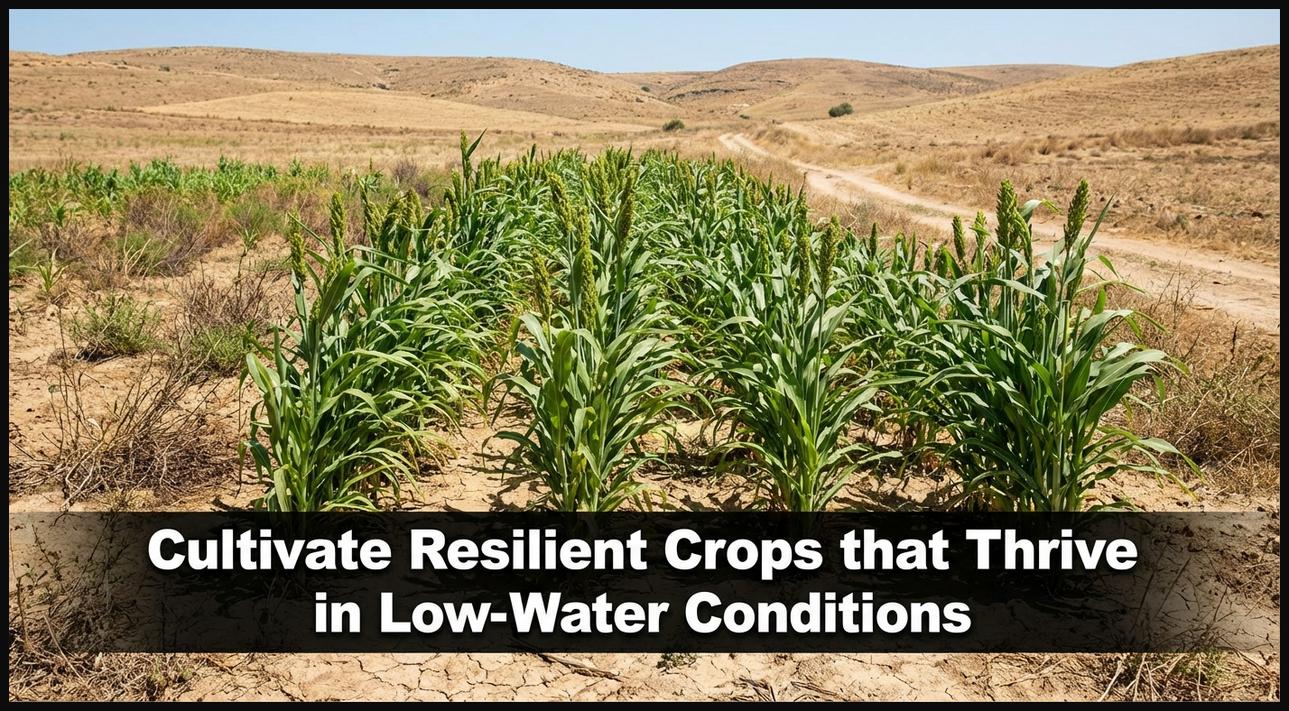
Cultivating drought-resistant crop varieties is an increasingly important strategy in sustainable farming, especially given changing climate patterns. These crops are specifically bred or selected to thrive with less water, making them more resilient in arid or drought-prone regions. They are essential for maintaining food production.
By choosing crops that naturally tolerate dry conditions, farmers can reduce their irrigation needs, conserve water, and ensure more stable yields even during challenging weather. This forward-thinking approach is vital for adapting agriculture to future environmental realities, making it a key aspect of crop farming practices in 2026.
| Benefit | Description |
|---|---|
| Water Savings | Requires less irrigation. |
| Yield Stability | Maintains production during dry spells. |
| Climate Adaptation | Builds resilience to changing weather. |
28. Localized Food Systems

Localized food systems emphasize producing, processing, and distributing food within a specific geographic area, typically close to consumers. This reduces the carbon footprint associated with transportation, supports local economies, and fosters a direct connection between producers and consumers. Farmers’ markets are a classic example.
By shortening supply chains, localized systems enhance food freshness, reduce waste, and build community resilience. They promote diverse crop cultivation adapted to local conditions, contributing to overall sustainable farming principles and fostering robust regional food economies in 2026.
| Benefit | Description |
|---|---|
| Reduced Carbon Footprint | Less transport, fewer emissions. |
| Economic Support | Boosts local economies. |
| Fresher Produce | Food travels shorter distances. |
29. Renewable Energy on Farms (Solar/Wind)
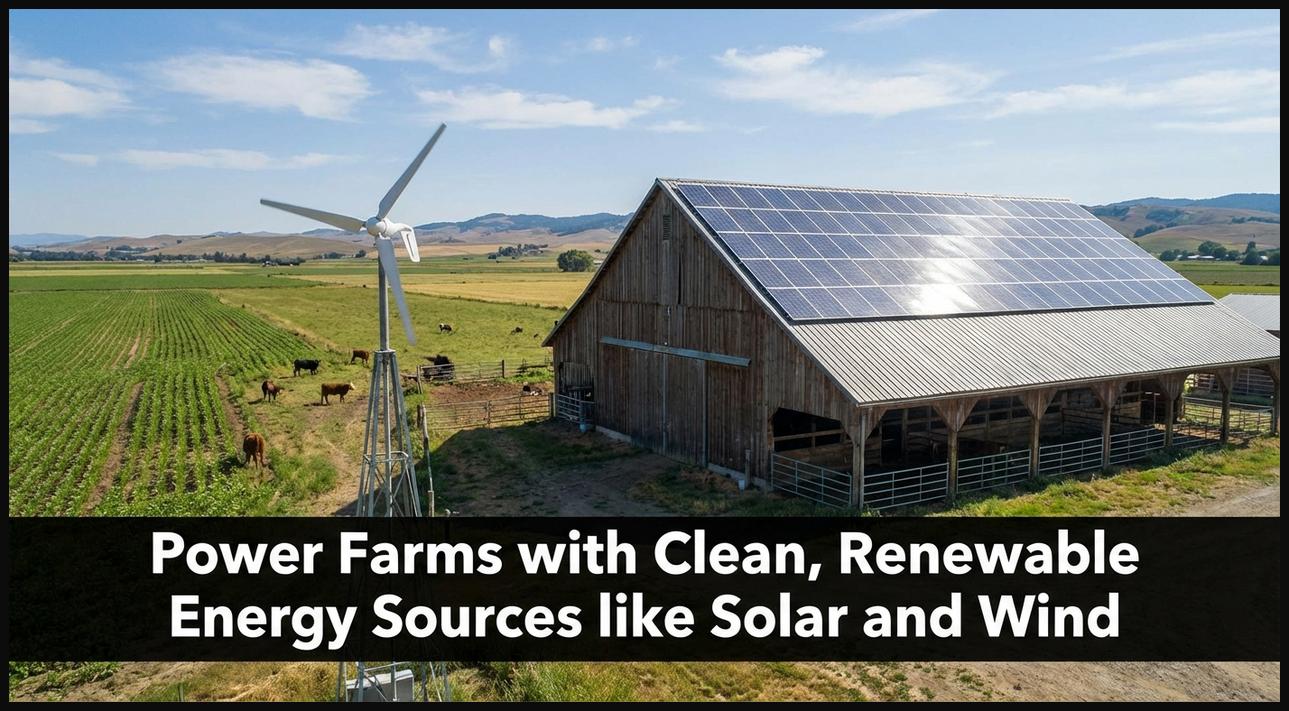
Integrating renewable energy sources like solar panels and wind turbines directly onto farms helps reduce reliance on fossil fuels, lowering operational costs and carbon emissions. This transition makes farms more energy-independent and environmentally friendly, powering everything from irrigation pumps to farm buildings.
Harnessing clean energy contributes significantly to the overall sustainability of agricultural operations. It reduces the carbon footprint of food production and positions farms as leaders in sustainable energy adoption. This is a critical investment for modern eco-friendly agricultural methods in 2026.
| Benefit | Description |
|---|---|
| Reduced Emissions | Lowers carbon footprint of farm. |
| Cost Savings | Reduces energy bills over time. |
| Energy Independence | Less reliant on grid power. |
30. Waste Reduction
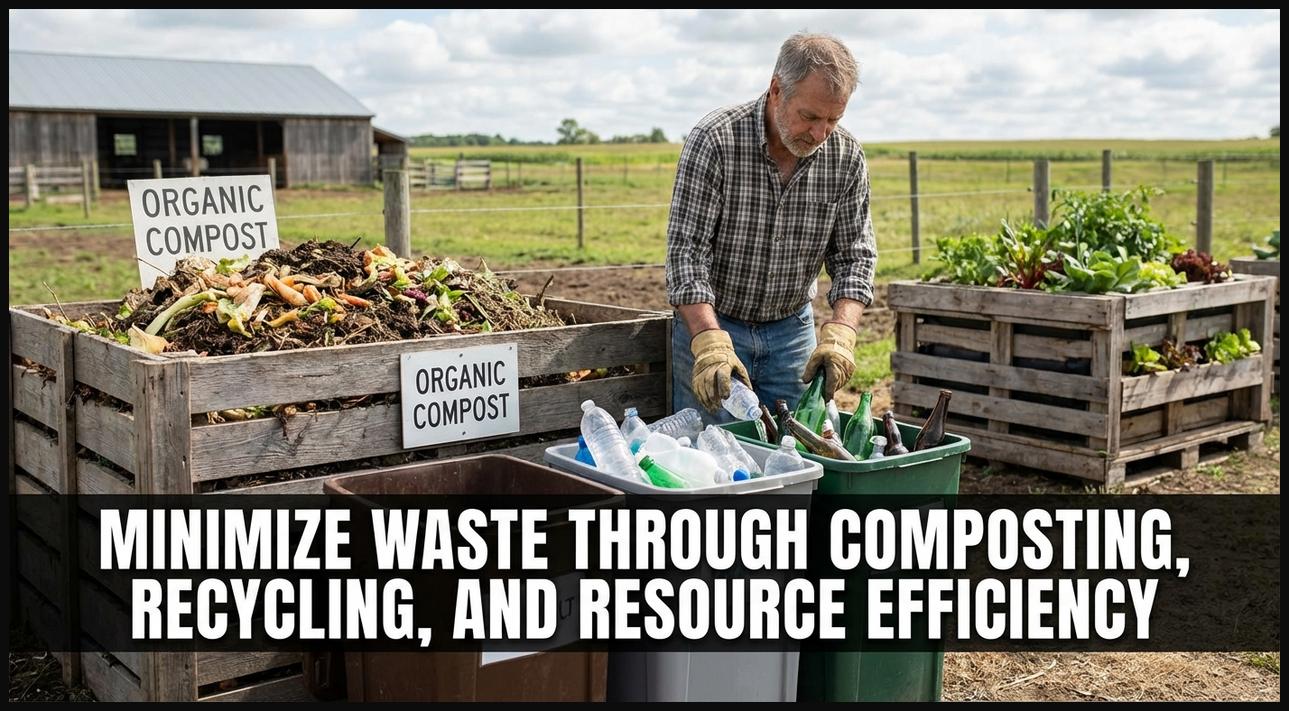
Waste reduction in farming involves minimizing all forms of waste throughout the agricultural process, from production to consumption. This includes reducing food waste, recycling farm plastics, and finding innovative uses for crop residues. It’s about maximizing efficiency and minimizing environmental impact.
By implementing strategies like composting organic byproducts or donating excess produce, farms can significantly lower their environmental footprint and conserve resources. This holistic approach to waste management is crucial for creating truly circular and sustainable farming systems, a key goal for 2026.
| Benefit | Description |
|---|---|
| Environmental Impact | Minimizes pollution and resource use. |
| Resource Efficiency | Maximizes use of materials. |
| Cost Savings | Reduces expenses associated with waste disposal. |
31. Silvopasture
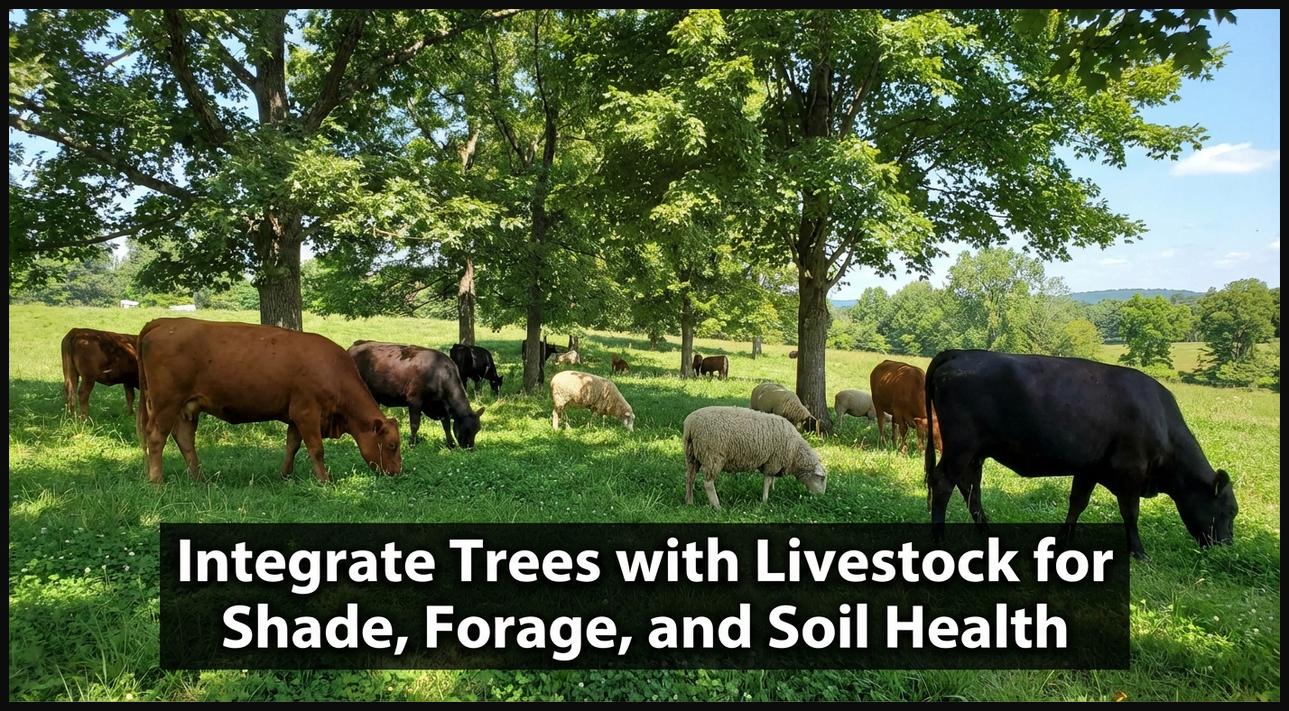
Silvopasture is an agroforestry practice that intentionally integrates trees, forage, and livestock on the same land. Trees provide shade and shelter for animals, improve soil health, and can offer additional income from timber or nuts. Livestock, in turn, can help manage undergrowth and fertilize the soil naturally.
This integrated system enhances biodiversity, improves carbon sequestration, and increases the overall productivity of the land. Silvopasture represents a highly efficient and ecologically beneficial form of sustainable farming methods, offering diverse benefits for farmers looking to diversify their operations in 2026.
| Benefit | Description |
|---|---|
| Animal Welfare | Provides shade and shelter for livestock. |
| Soil Improvement | Enhances organic matter and fertility. |
| Diversified Income | Generates revenue from trees and livestock. |
32. Hydroponics (sustainable setup)
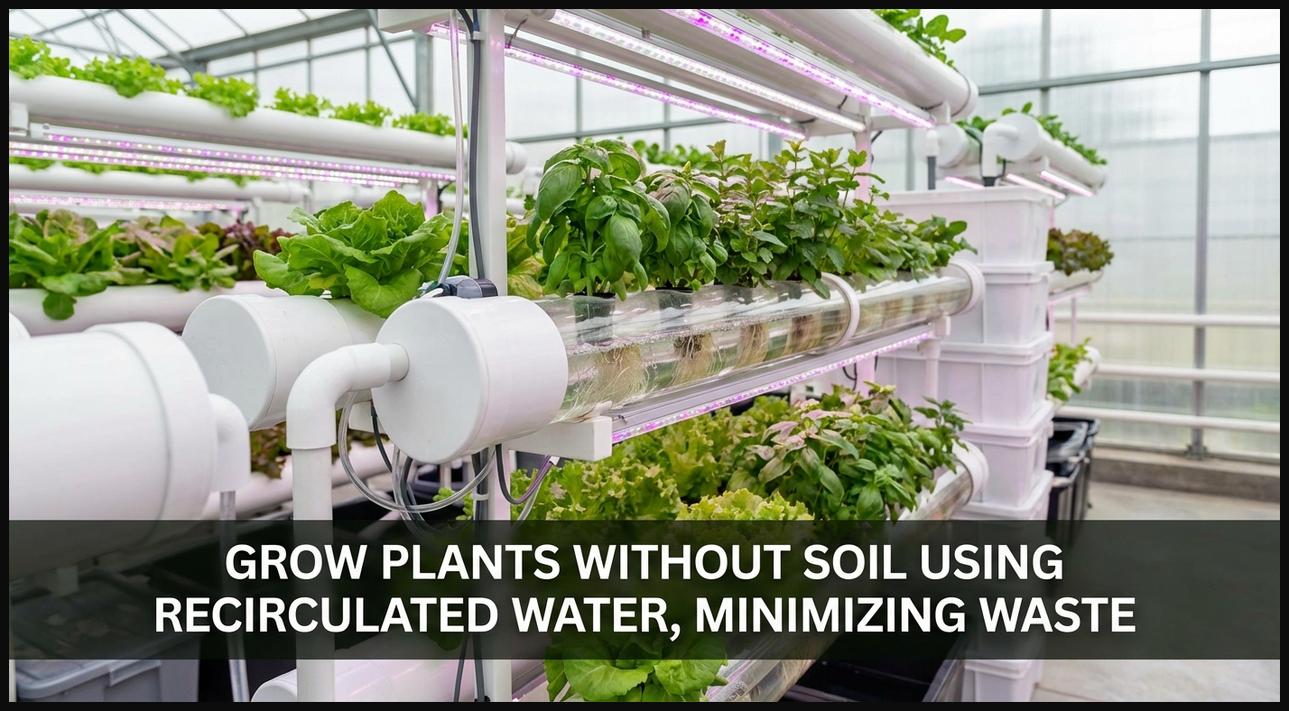
Sustainable hydroponics involves growing plants using mineral nutrient solutions in water, without soil, often in controlled environments. While traditional hydroponics can be resource-intensive, sustainable setups prioritize water recycling, renewable energy, and minimal nutrient waste. This allows for year-round production in limited spaces.
When designed sustainably, hydroponics uses significantly less water than conventional farming, as water is recirculated. It can also reduce land use and eliminate the need for pesticides. This controlled environment agriculture is an innovative step in eco-friendly agricultural methods, particularly for urban farming in 2026.
| Benefit | Description |
|---|---|
| Water Efficiency | Recirculates water, reducing usage. |
| Space Saving | Allows for high-density production. |
| Pest Reduction | Minimizes pest and disease issues. |
33. Aquaponics (sustainable setup)
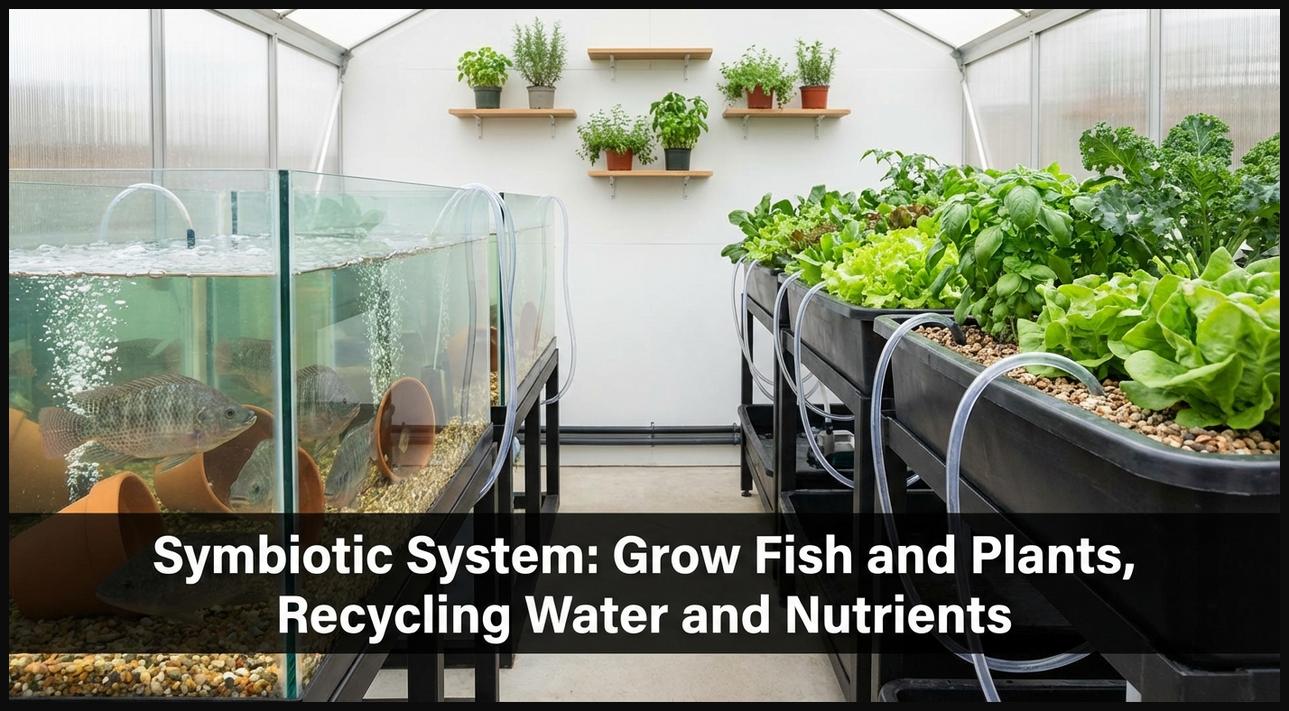
Sustainable aquaponics combines aquaculture (raising fish) with hydroponics (growing plants without soil) in a symbiotic environment. Fish waste provides nutrients for the plants, which in turn filter the water for the fish. This closed-loop system conserves water and nutrients, creating a highly efficient food production method.
This innovative practice minimizes waste, reduces water consumption, and eliminates the need for chemical fertilizers and pesticides. Aquaponics exemplifies a circular economy in food production, providing both protein and vegetables in a resource-efficient manner, making it a powerful tool for sustainable farming in 2026.
| Benefit | Description |
|---|---|
| Dual Production | Grows fish and plants simultaneously. |
| Water Efficiency | Closed-loop system conserves water. |
| Nutrient Recycling | Fish waste fertilizes plants naturally. |
34. Vertical Farming (sustainable setup)
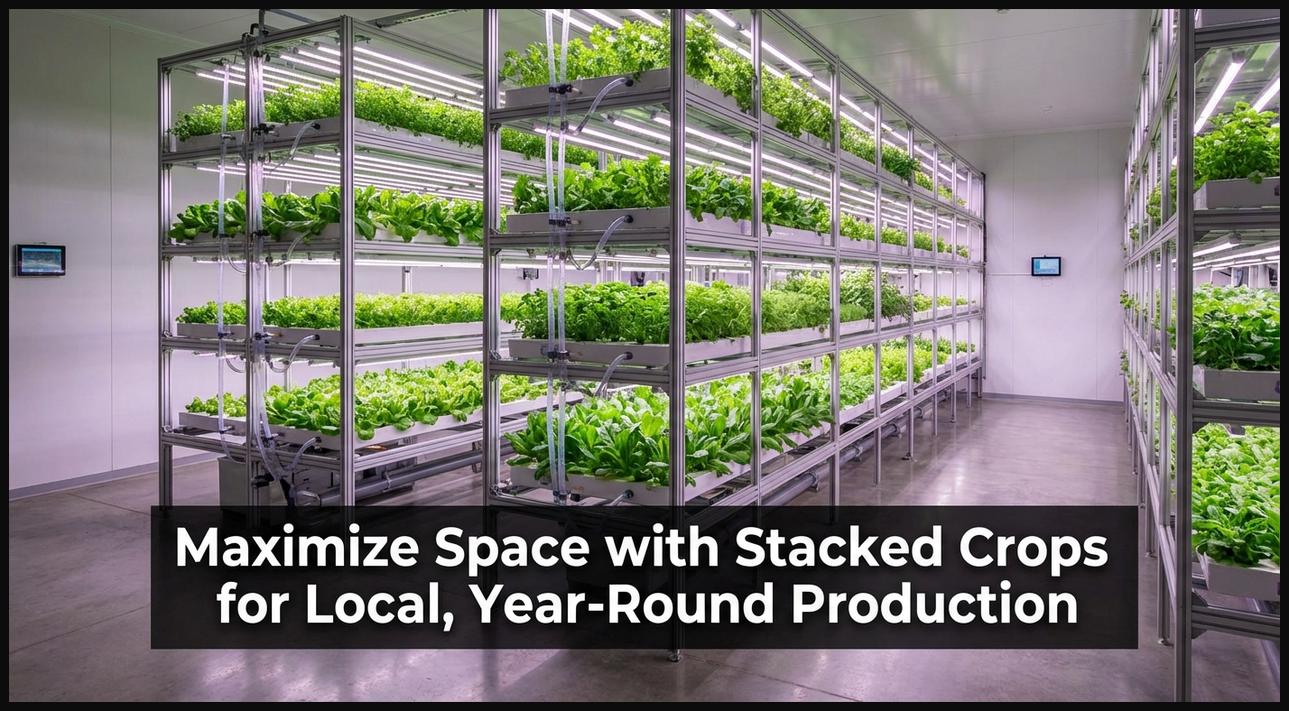
Sustainable vertical farming involves growing crops in vertically stacked layers, often indoors, using controlled-environment agriculture techniques. This method maximizes space, especially in urban areas, and allows for year-round production regardless of climate. Sustainable setups integrate renewable energy and efficient water use.
By precisely controlling light, temperature, and nutrients, vertical farms can significantly reduce water usage, land footprint, and transport emissions. This approach minimizes the need for pesticides and fertilizers, making it a highly efficient and eco-friendly agricultural method for addressing food security challenges in 2026.
| Benefit | Description |
|---|---|
| Space Efficiency | Maximizes yield in small footprints. |
| Water Conservation | Uses recirculated water efficiently. |
| Local Production | Reduces transport and emissions. |
35. Companion Planting
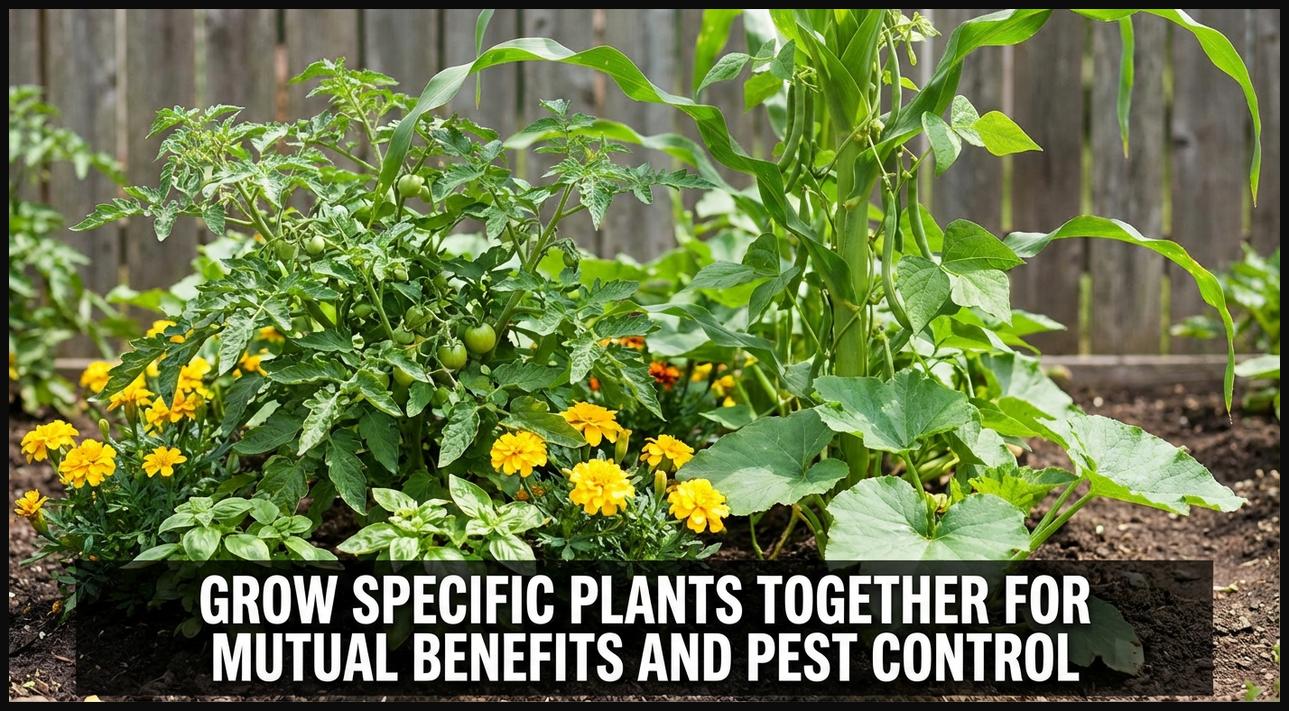
Companion planting is the practice of growing different plants together for mutual benefit. Certain plant combinations can deter pests, attract beneficial insects, improve soil nutrients, or enhance plant growth and flavor. It’s a natural and traditional way to boost garden and farm productivity.
By strategically pairing plants, farmers can reduce the need for synthetic pesticides and fertilizers, fostering a more balanced and resilient ecosystem. This practice promotes biodiversity and contributes to the overall health of the farm, embodying a simple yet effective aspect of sustainable farming methods for 2026.
| Benefit | Description |
|---|---|
| Pest Deterrence | Certain plants repel pests naturally. |
| Beneficial Insects | Attracts pollinators and predators. |
| Improved Growth | Enhances nutrient uptake and vigor. |
36. Pollinator Habitat Creation
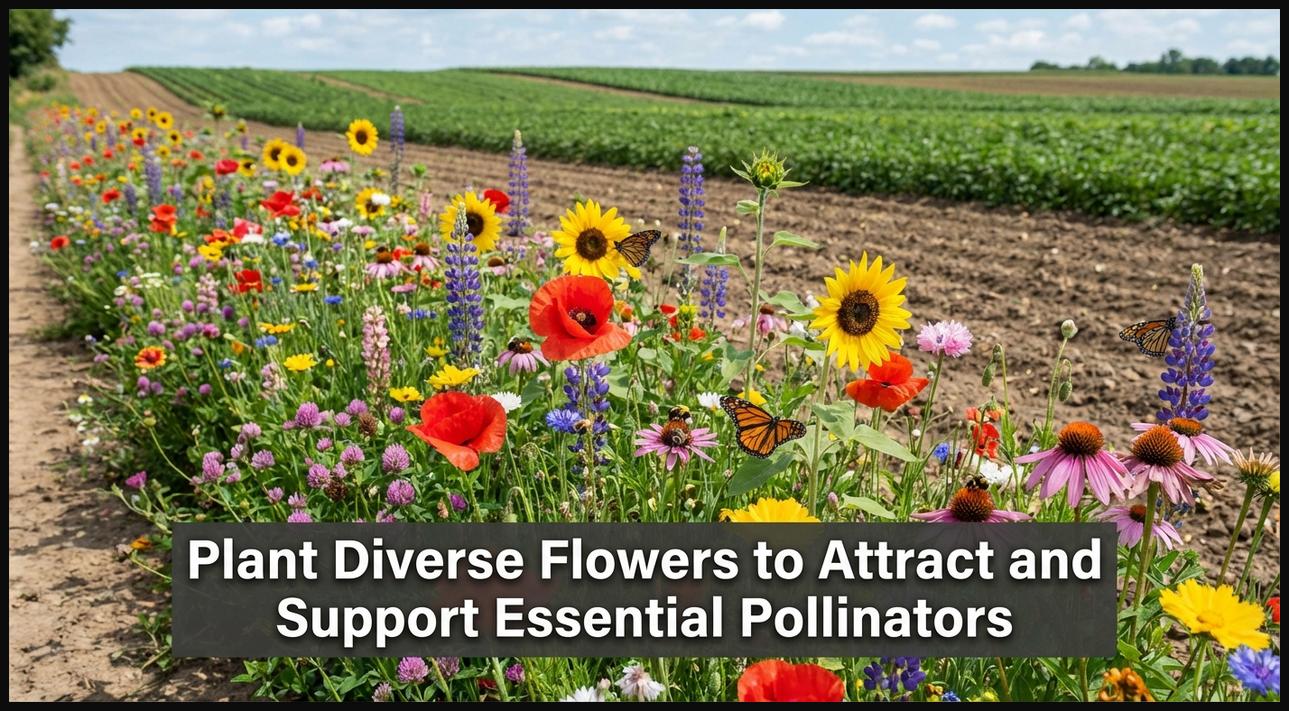
Creating and maintaining habitats for pollinators, such as bees, butterflies, and other beneficial insects, is vital for a thriving farm ecosystem. This involves planting diverse native flowers, shrubs, and trees that provide nectar, pollen, and nesting sites throughout the growing season. Pollinators are essential for crop production.
By supporting pollinator populations, farmers ensure better crop yields for pollinator-dependent plants and enhance the overall biodiversity of their land. This practice is a critical element of eco-friendly agricultural methods, ensuring the ecological services necessary for productive and resilient farms in 2026.
| Benefit | Description |
|---|---|
| Increased Yields | Ensures pollination for many crops. |
| Biodiversity | Supports essential insect populations. |
| Ecosystem Health | Contributes to a balanced farm environment. |
37. Managed Intensive Rotational Grazing
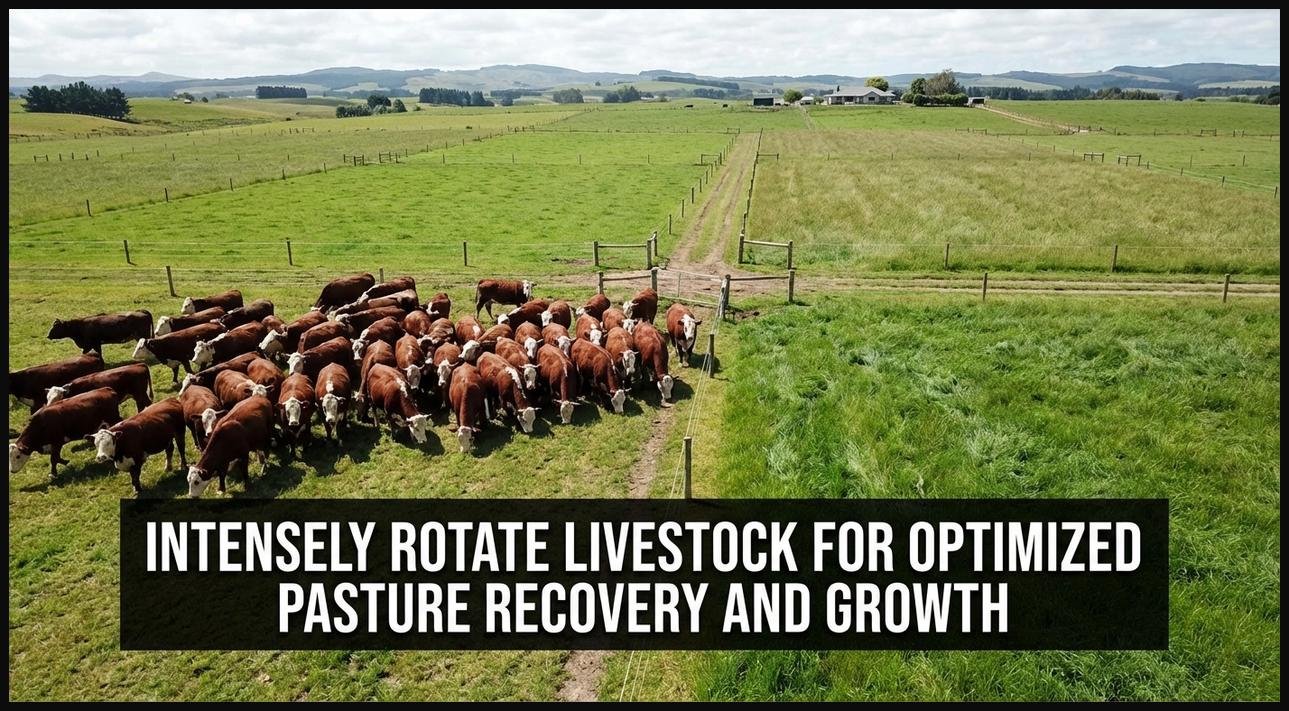
Managed Intensive Rotational Grazing (MIRG) is a sophisticated form of holistic grazing where livestock are moved frequently between small paddocks. This allows for very short, intense grazing periods followed by long rest periods for the pasture. It maximizes forage utilization and promotes rapid pasture recovery.
MIRG significantly improves soil health, stimulates plant growth, and increases the carrying capacity of pastures. It enhances carbon sequestration and water infiltration, making it a powerful strategy for integrating livestock into sustainable farming practices, boosting both environmental benefits and farm profitability in 2026.
| Benefit | Description |
|---|---|
| Pasture Productivity | Maximizes forage growth and utilization. |
| Soil Enhancement | Improves organic matter and structure. |
| Animal Performance | Provides fresh, high-quality forage. |
38. Contouring and Terracing
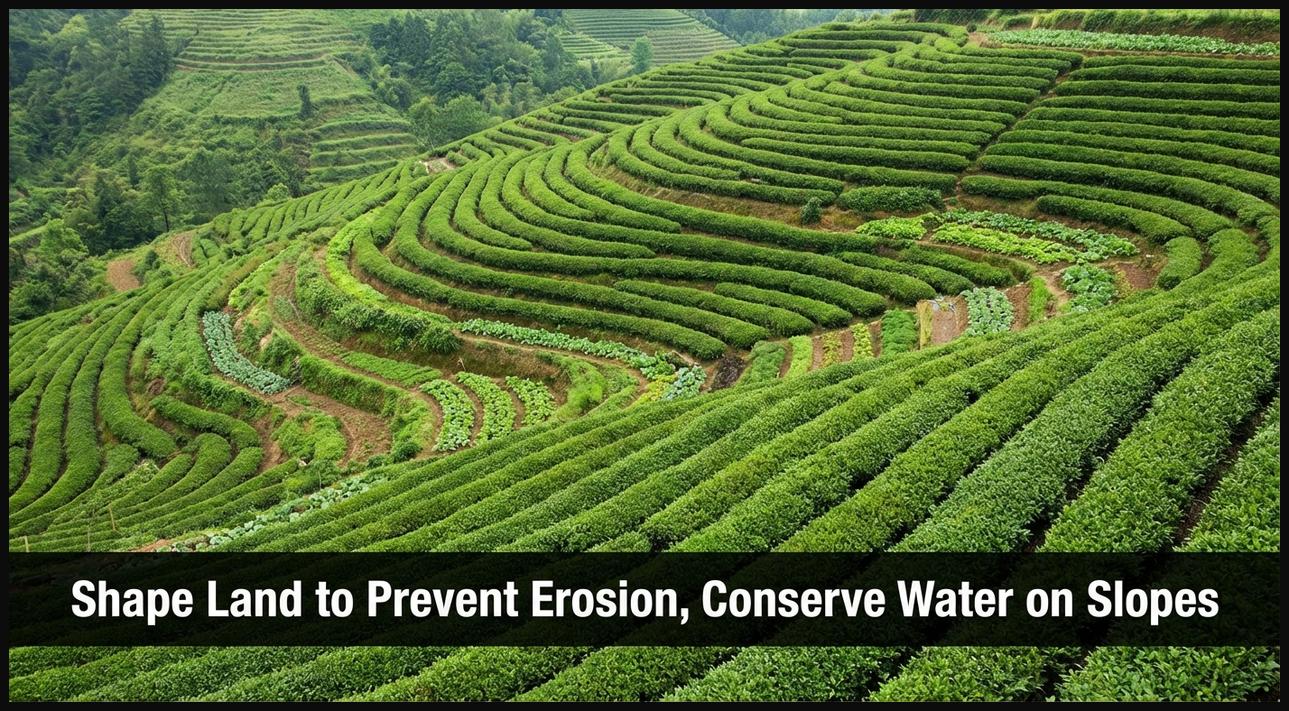
Contouring and terracing are erosion control methods applied on sloped land. Contouring involves planting rows of crops along the natural curves of the land, rather than straight up and down the slope. Terracing creates a series of level steps or platforms on steep hillsides.
Both practices slow down water runoff, allowing it to soak into the soil rather than erode valuable topsoil. This conserves soil moisture and prevents nutrient loss, making them essential techniques for sustainable crop farming practices in hilly or undulating terrain. These methods are vital for maintaining land productivity in 2026.
| Benefit | Description |
|---|---|
| Erosion Control | Prevents soil wash-off on slopes. |
| Water Conservation | Increases water infiltration into soil. |
| Soil Fertility | Reduces nutrient loss from runoff. |
39. Perennial Crops
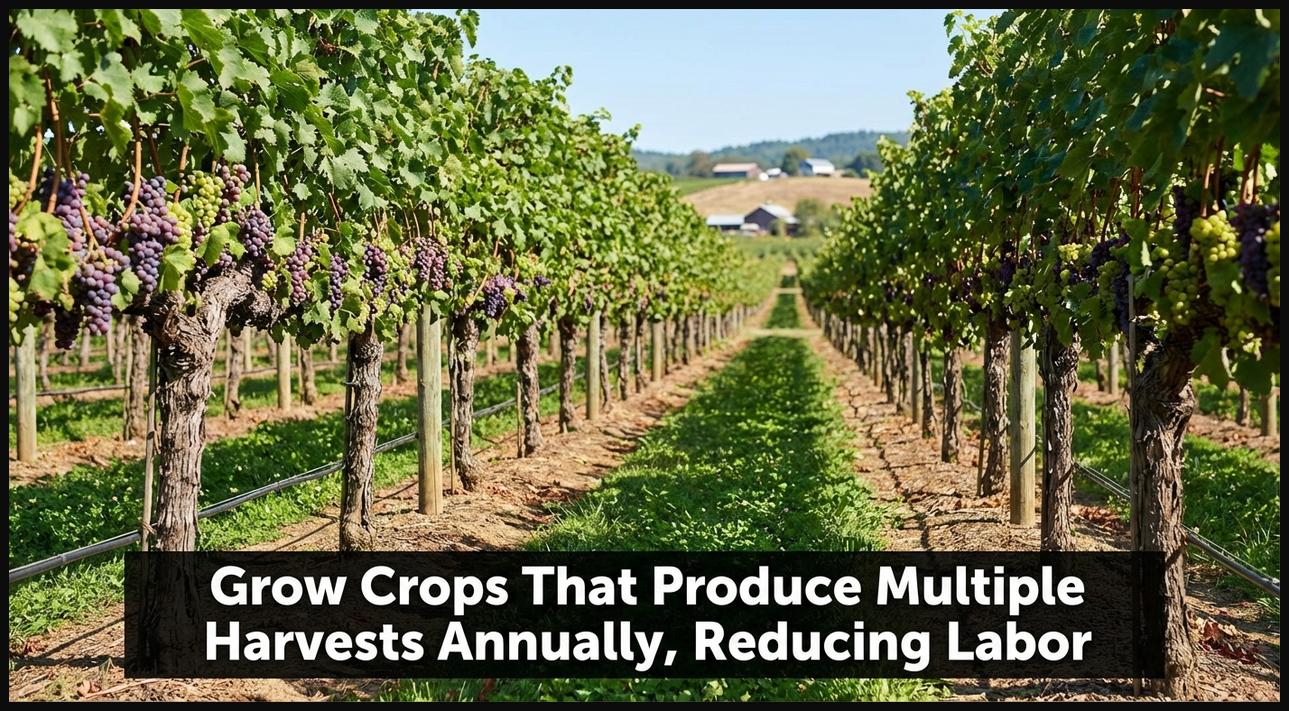
Perennial crops are plants that live for more than two years, providing multiple harvests from a single planting. Examples include fruit trees, berries, asparagus, and certain grains. Unlike annuals, they don’t need to be replanted each year, reducing soil disturbance and labor.
Perennials contribute to soil health by developing extensive root systems that prevent erosion and build organic matter. They also require less tillage, conserve water, and often provide habitat for wildlife, making them a cornerstone of long-term sustainable farming systems as we plan for 2026.
| Benefit | Description |
|---|---|
| Soil Conservation | Reduces erosion and improves structure. |
| Reduced Labor | No annual replanting required. |
| Ecosystem Stability | Provides continuous ground cover. |
40. Mycorrhizal Fungi Inoculation
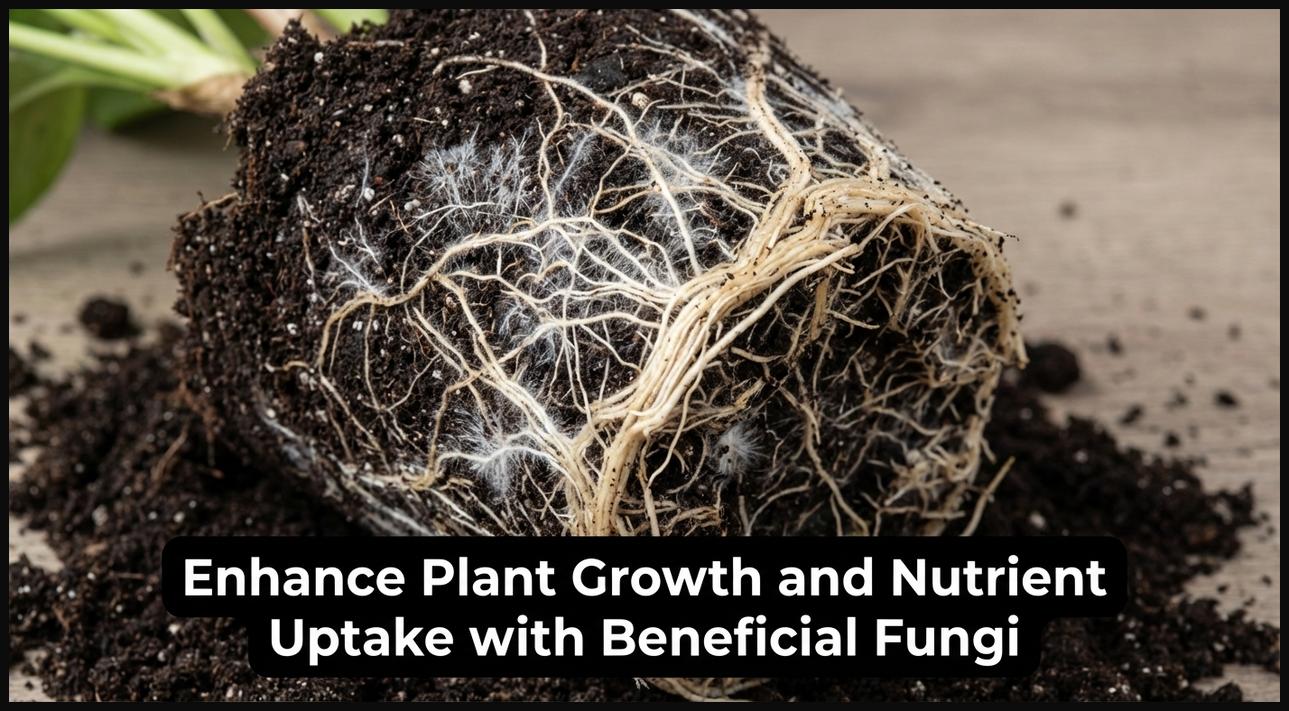
Mycorrhizal fungi form a symbiotic relationship with plant roots, extending the root system and greatly enhancing the plant’s ability to absorb water and nutrients, particularly phosphorus. Inoculating crops with these beneficial fungi can significantly improve plant health and resilience.
This practice reduces the need for synthetic fertilizers, improves drought resistance, and boosts overall crop vigor. By fostering a healthy soil microbiome, mycorrhizal inoculation is a powerful, natural way to enhance productivity and sustainability in eco-friendly agriculture, a smart investment for farms in 2026.
| Benefit | Description |
|---|---|
| Nutrient Uptake | Enhances plant’s ability to absorb nutrients. |
| Water Efficiency | Improves drought resistance. |
| Soil Health | Supports a robust soil microbiome. |
FAQs
Q1. Why are sustainable farming practices important for 2026?
Sustainable farming practices are critical for 2026 because they address pressing environmental challenges such as climate change, soil degradation, and water scarcity. By adopting these methods, farmers can ensure long-term food security, protect natural resources, reduce their carbon footprint, and build more resilient agricultural systems capable of thriving in a changing world.
Q2. What is the main benefit of eco-friendly agriculture?
The main benefit of eco-friendly agriculture is the holistic improvement of ecosystem health. This includes enhancing soil fertility, conserving water, reducing pollution from chemical inputs, and fostering biodiversity. Ultimately, it leads to more stable and productive farms that contribute positively to the environment rather than depleting it.
Q3. How do sustainable crop farming practices impact water usage?
Sustainable crop farming practices significantly reduce water usage through various methods like drip irrigation, rainwater harvesting, cultivating drought-resistant crops, and improving soil organic matter to enhance water retention. These techniques minimize waste and ensure more efficient use of this vital resource, which is increasingly important for agriculture in 2026.
Q4. Can small farms implement these sustainable methods effectively?
Absolutely. Many sustainable farming methods, such as composting, companion planting, and crop rotation, are highly effective and often easier to implement on a smaller scale. These practices can help small farms reduce costs, improve soil health, and produce higher-quality crops, making them more resilient and profitable.
Q5. What role does biodiversity play in sustainable farming?
Biodiversity plays a crucial role in sustainable farming by creating a more resilient and self-regulating ecosystem. A diverse range of plants, animals, and microorganisms on the farm can enhance natural pest control, improve pollination, enrich soil fertility through nutrient cycling, and increase the farm’s ability to adapt to environmental changes, a key focus for 2026 agriculture.
Conclusion
Embracing the 40 best sustainable farming practices is more than just a trend; it’s a fundamental shift towards a more responsible and resilient agricultural future. As we move into 2026, these eco-friendly agriculture methods offer practical solutions to pressing environmental and economic challenges, benefiting both producers and consumers globally. By focusing on soil health, water conservation, and biodiversity, farmers can cultivate healthier crops and protect our planet for generations to come. The journey towards truly sustainable food systems is ongoing, and every step taken in this direction is a step towards a brighter, greener future.

