

Mastering Soil Preparation: Your Essential Guide for 2026
Hello Readers, preparing your soil properly is arguably the most crucial step in achieving a thriving garden or a bountiful farm, regardless of your experience level. As we look towards the growing seasons of soil preparation for 2026, understanding the foundational principles and advanced techniques for nurturing your soil will be key to unlocking its full potential. This guide is designed to equip you with the knowledge needed to transform your plot into an incredibly fertile and productive ecosystem.
Understanding the Fundamentals of Soil Health
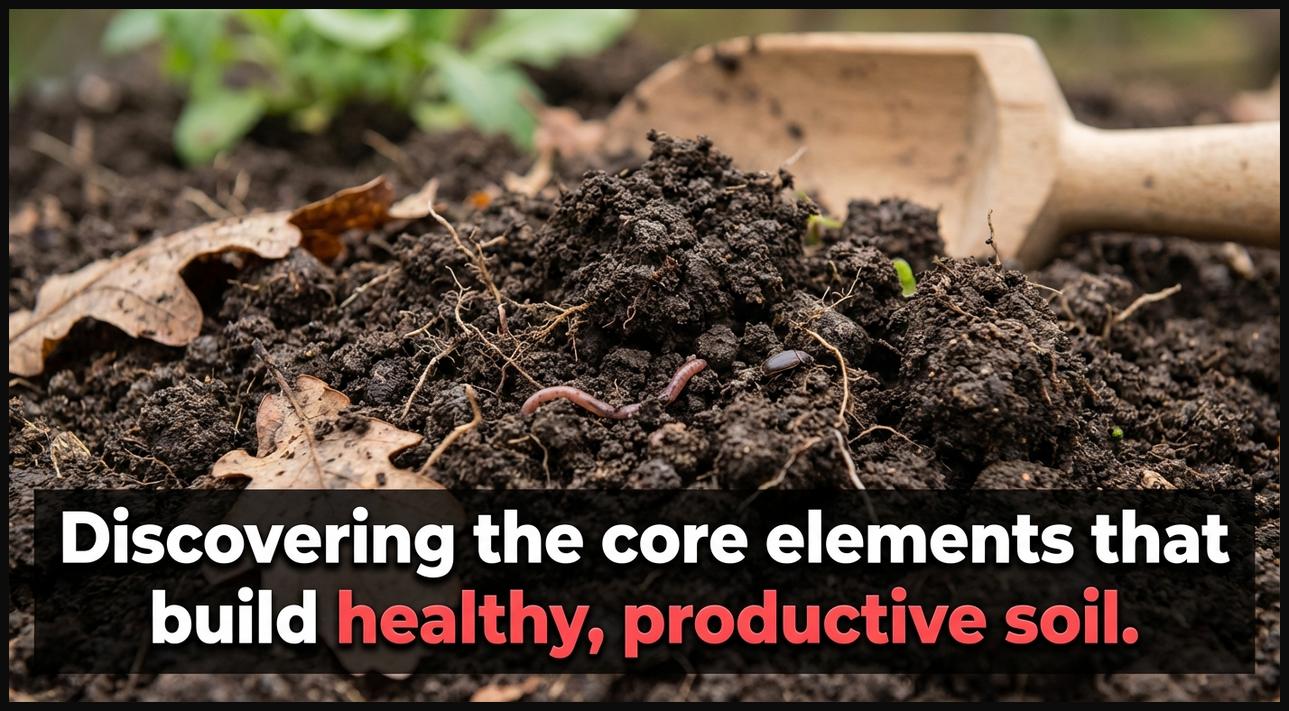
Building a robust foundation for your garden begins with a deep appreciation for the living ecosystem beneath your feet. A truly healthy soil guide emphasizes the delicate balance of minerals, organic matter, water, air, and countless microorganisms that collectively contribute to plant vitality. Without these essential components working in harmony, your plants will struggle to absorb nutrients and resist diseases.
The goal of effective soil preparation isn’t just about digging; it’s about fostering an environment where roots can flourish and beneficial organisms can thrive. By focusing on improving soil structure, enhancing drainage, and boosting nutrient retention, you create optimal conditions that support strong, resilient plant growth throughout the entire year of 2026 and beyond.
| Component | Importance for Soil Health |
|---|---|
| Organic Matter | Improves structure, water retention, nutrient availability |
| Minerals | Provides essential plant nutrients (N, P, K, etc.) |
| Water | Transports nutrients, supports plant life |
| Air | Crucial for root respiration and microbial activity |
| Microorganisms | Decompose organic matter, cycle nutrients |
Assessing Your Garden’s Current Soil Condition
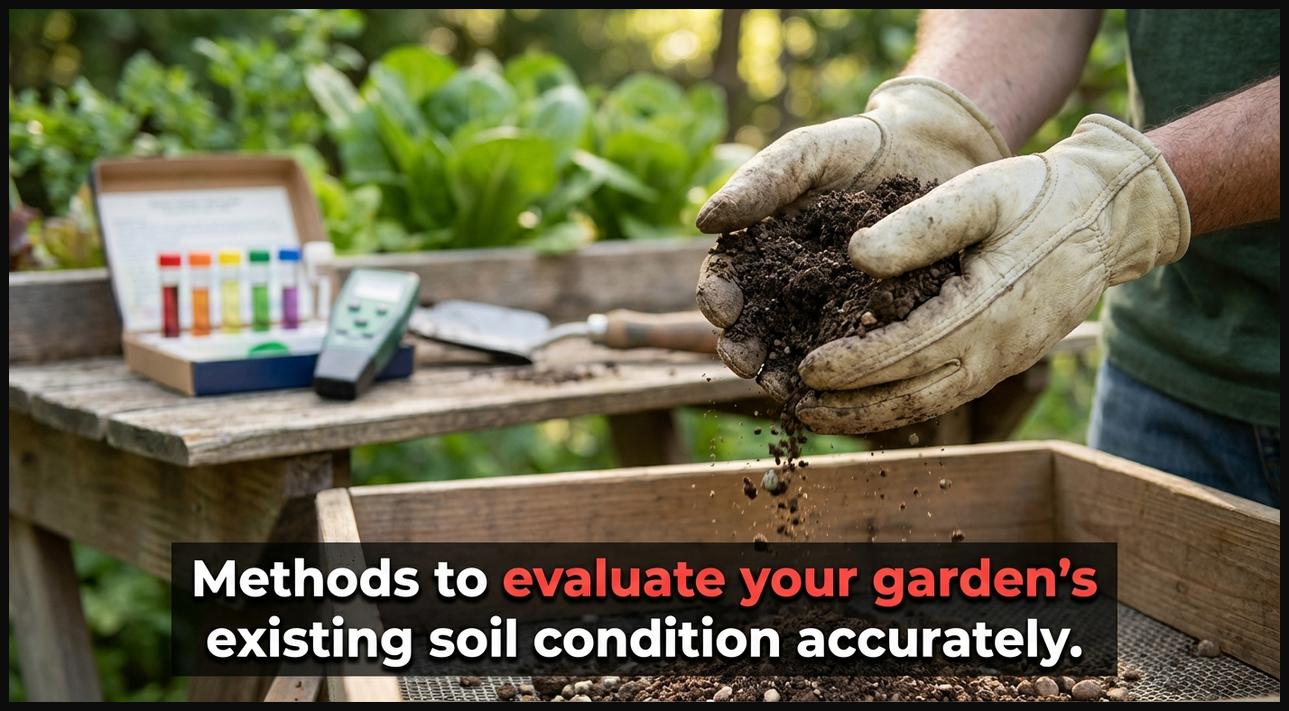
Before you can effectively improve your soil, you must first understand its current state. Taking the time to properly assess your garden’s condition is an invaluable first step for any gardener preparing soil bed for success. Simple observations, like how water drains (or pools) and the texture of the soil when you rub it between your fingers, can provide immediate insights.
For a more precise understanding, conducting a soil test is highly recommended for the 2026 growing season. These tests reveal vital information about your soil’s pH level, nutrient deficiencies, and organic matter content, guiding your amendment choices. Armed with this data, you can make informed decisions rather than guessing, ensuring your efforts are targeted and efficient for optimal plant health.
| Assessment Method | What It Reveals | Action to Take |
|---|---|---|
| Visual Inspection | Drainage, compaction, presence of weeds | Observe and note problem areas |
| Texture Test | Clay, sand, silt proportions | Determine soil type and associated challenges |
| Soil pH Test | Acidity or alkalinity | Amend with lime (for acid) or sulfur (for alkaline) |
| Nutrient Analysis | Deficiencies in N, P, K, micronutrients | Apply specific fertilizers or organic amendments |
Essential Techniques for Garden Soil Enrichment
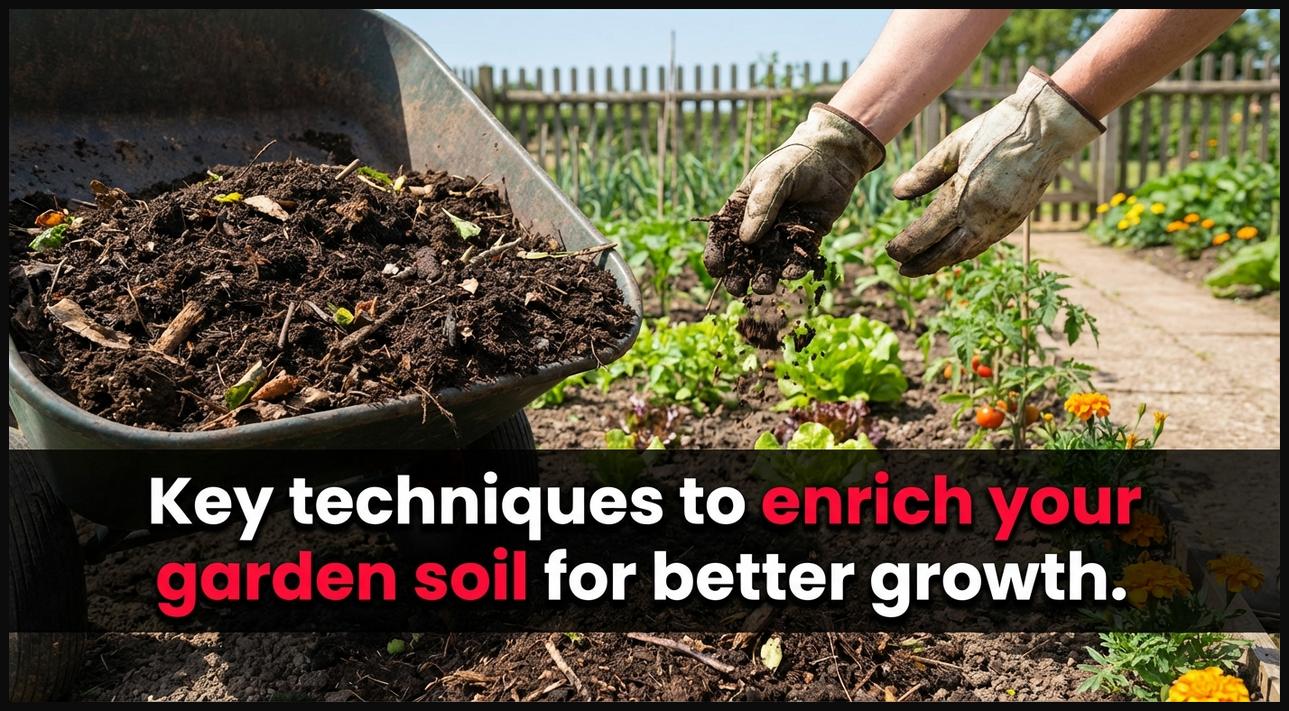
Once you understand your soil, the next step is to actively enrich it, setting the stage for thriving plants in 2026. One of the most effective methods for garden soil enrichment is the regular incorporation of organic matter. Materials like compost, well-rotted manure, and leaf mold significantly improve soil structure, enhance water retention in sandy soils, and improve drainage in heavy clay soils, making them easier to work with.
Beyond adding organic materials, consider cover cropping during off-seasons. Cover crops protect the soil from erosion, suppress weeds, and, when tilled into the soil, add valuable organic matter and nutrients. These practices not only feed your plants directly but also foster a healthy microbial community, which is crucial for long-term soil fertility and robust growth.
| Enrichment Technique | Benefits | Application Frequency |
|---|---|---|
| Compost Application | Improves structure, adds nutrients, boosts microbes | Annually or semi-annually |
| Manure (Well-rotted) | Adds rich nutrients and organic matter | Annually (ensure it’s aged) |
| Cover Cropping | Prevents erosion, adds organic matter, suppresses weeds | Between cash crops or in fall/winter |
| Mulching | Retains moisture, regulates temperature, adds organic matter over time | Seasonally as needed |
Implementing Advanced Soil Amendment Strategies for 2026
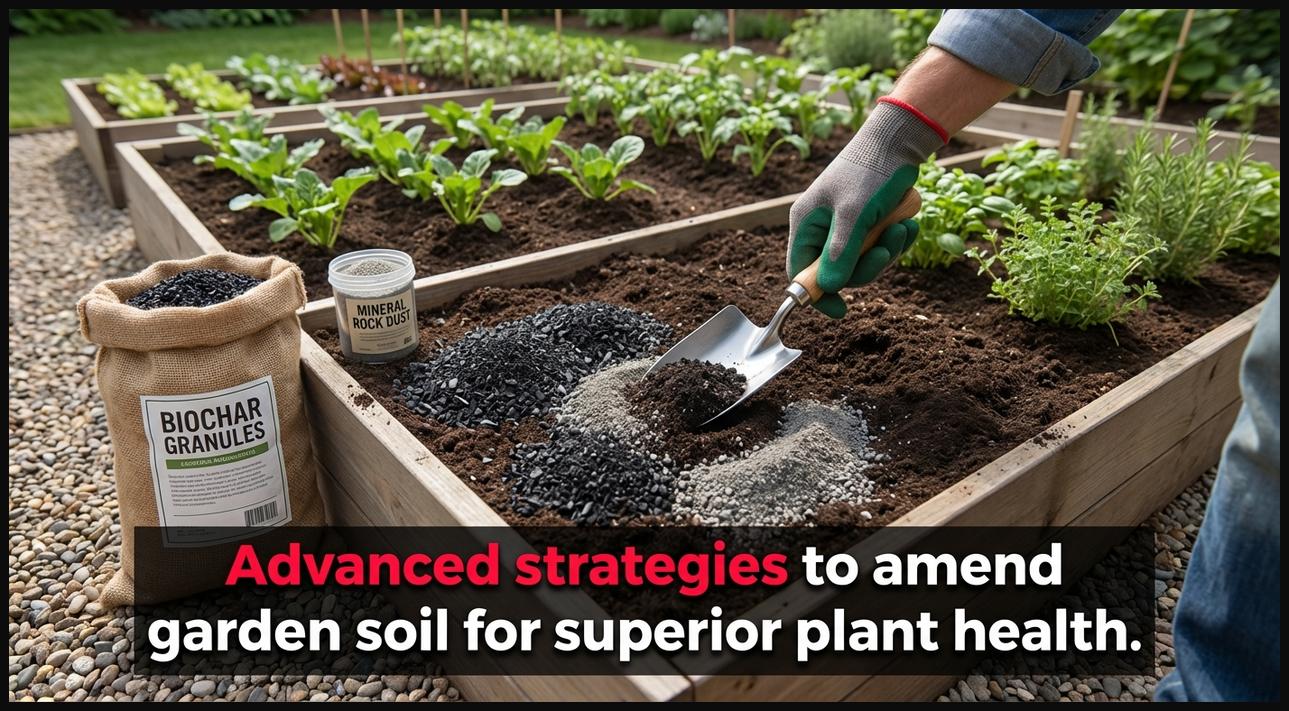
For gardeners looking to truly optimize their growing spaces for 2026, implementing advanced soil amendment strategies can make a significant difference. Beyond basic compost, consider targeted additions like biochar, which can dramatically improve soil fertility, water retention, and microbial life over the long term. This charcoal-like substance is particularly beneficial for amending sandy or depleted soils, creating a more stable and productive environment.
Another powerful strategy for a vegetable garden soil amendment involves incorporating green manures or specific mineral rock dusts. Green manures, essentially cover crops grown and then tilled back into the soil, rapidly build organic matter and nitrogen. Mineral rock dusts, on the other hand, slowly release a broad spectrum of micronutrients that are often lacking in conventional fertilizers, supporting comprehensive plant health and resilience.
| Advanced Amendment | Key Benefits | Best Use Case |
|---|---|---|
| Biochar | Long-term fertility, water retention, microbial habitat | Depleted or sandy soils, one-time application with ongoing benefits |
| Green Manure | Rapid organic matter, nitrogen fixation, weed suppression | Between main crops, improving fallow beds |
| Rock Dusts | Adds trace minerals, slow-release nutrients | Soils with known micronutrient deficiencies |
| Worm Castings | Highly concentrated nutrients, beneficial microbes | Boosting seedling health, targeted plant feeding |
Maintaining Optimal Soil for Improved Crop Yield
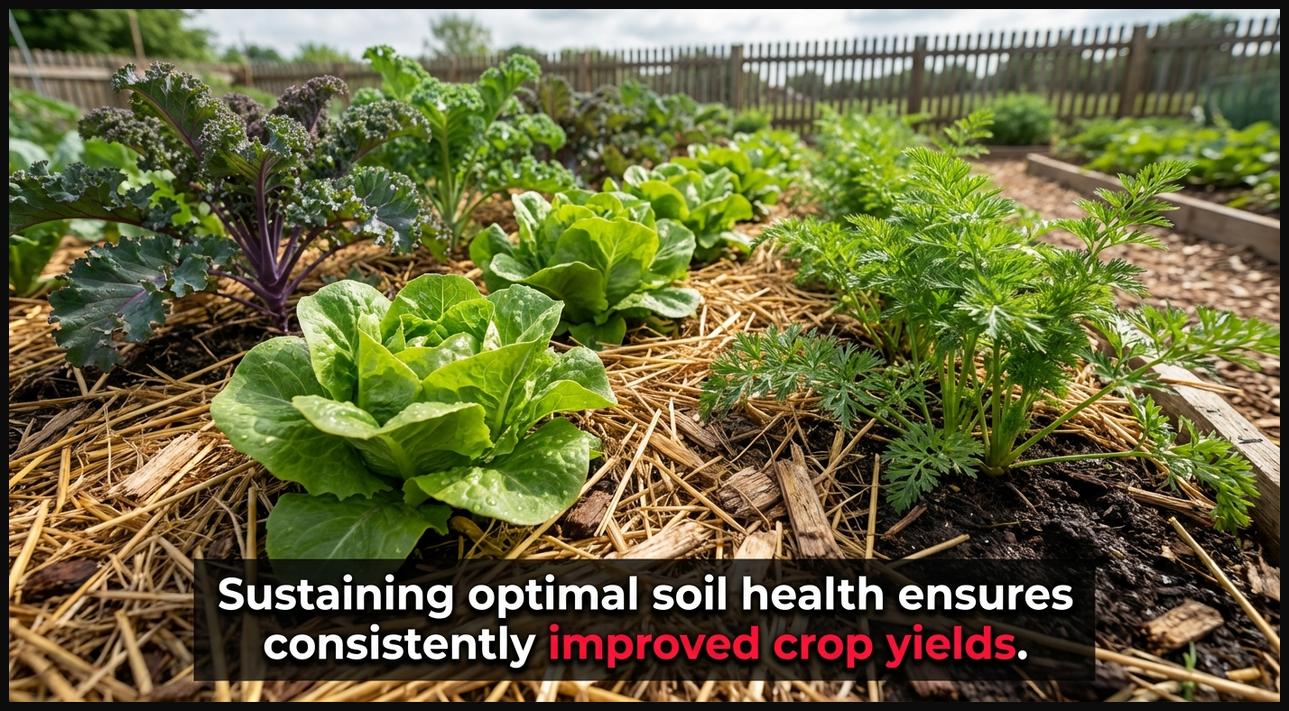
Achieving consistently high crop yields in 2026 and beyond relies heavily on ongoing soil maintenance, not just initial preparation. Once your soil is thriving, focus on practices that preserve and enhance its vitality. This includes minimizing disturbance through no-till or reduced-till gardening, which protects the intricate soil structure and beneficial fungal networks that are critical for nutrient cycling and plant access to resources.
Regular additions of organic matter, even in smaller doses, will continue to replenish nutrients and support the microbial population, contributing to a truly rich organic garden soil. Consistent mulching helps regulate soil temperature, conserves moisture, and suppresses weeds, reducing competition for your crops. By making these maintenance routines part of your regular gardening practice, you ensure a continuous cycle of soil health that translates directly into impressive and sustained harvests.
| Maintenance Practice | Impact on Crop Yield | Frequency |
|---|---|---|
| No-Till Gardening | Preserves soil structure, increases organic matter, boosts microbial life | Ongoing |
| Regular Mulching | Moisture retention, weed suppression, temperature regulation | Seasonally or as needed |
| Compost Tea Application | Provides quick nutrient boost, introduces beneficial microbes | Bi-weekly/monthly during growing season |
| Crop Rotation | Prevents pest/disease buildup, optimizes nutrient use | Annually |
FAQs
Q1. How often should I test my soil for the 2026 growing season?
A. For most home gardeners, testing your soil every 2-3 years is sufficient. However, if you’re experiencing persistent plant health issues or are converting a new area into a garden bed, an annual test for the initial few years can be beneficial to track progress and make timely adjustments to your soil preparation strategy.
Q2. Is it possible to over-amend my soil with organic matter?
A. While organic matter is generally highly beneficial, it is possible to create an imbalance. Excessively rich soil can sometimes lead to an overabundance of nitrogen, which encourages leafy growth at the expense of fruit production in certain plants. Aim for a balanced approach, consistently adding organic material without overwhelming the soil with a single type of amendment.
Q3. What is the best time of year to begin soil preparation for a new garden in 2026?
A. The ideal time to begin soil preparation for a new garden is typically in the fall, allowing winter weather to help break down organic matter and integrate amendments into the soil. However, spring preparation is also perfectly viable, especially if you plan to plant cool-season crops. The key is to start well in advance of your planting date, giving the soil time to settle and for amendments to begin working.
Q4. Can soil preparation help with pest control naturally?
A. Yes, healthy soil can significantly contribute to natural pest control. A diverse and active microbial community in well-prepared soil can help suppress soil-borne pathogens and enhance plant immunity, making plants more resistant to pests. Strong, healthy plants grown in optimal soil are inherently less susceptible to insect damage compared to stressed plants in poor soil conditions.
Conclusion
Mastering soil preparation is a continuous journey that yields remarkable rewards in your garden or farm, setting the foundation for robust growth in 2026 and beyond. By understanding your soil, enriching it with organic matter, and maintaining its health through thoughtful practices, you empower your plants to reach their full potential. Embrace these techniques, and you’ll cultivate not just bountiful harvests, but also a deeper connection with the living world beneath your feet. Your efforts in preparing your soil will undoubtedly lead to a healthier, more vibrant growing space.

Related Posts
